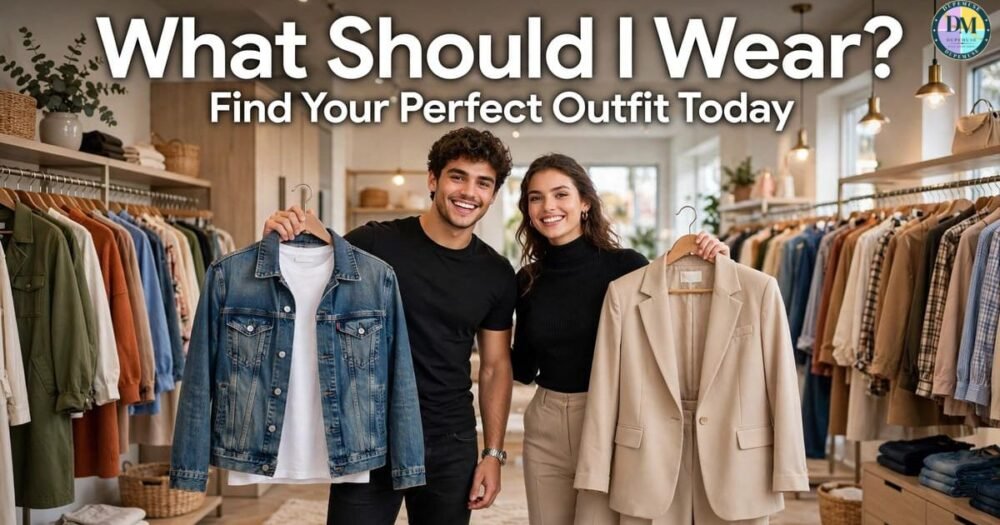
Wondering what should I wear today? You’re not alone. Choosing the right outfit can feel frustrating when your closet is full but nothing seems right. The good news is that getting dressed doesn’t have to be complicated. With a few simple tips, you can find clothes that match the weather, suit your daily plans, and reflect your personal style.
Whether you’re heading to work, meeting friends, or enjoying a relaxed day at home, the right combination can make all the difference.
What Should I Wear Today? Find the Perfect Outfit
The easiest way to decide what to wear today is to start with your plans. Think about where you’re going, how long you’ll be out, and what you’ll need to do. A relaxed outfit may suit a grocery run, while a meeting might call for a shirt and tailored trousers. When you match your outfit to your schedule, getting dressed becomes much easier.
Next, check the local weather forecast and choose clothes that feel good throughout the day. If the morning is cool but the afternoon will be warm, wear a light layer you can remove. If rain is expected, choose suitable shoes and a jacket. These small decisions make daily dressing more comfortable and help you feel prepared wherever the day takes you.
Quick Outfit Ideas for Today
Sometimes, you need outfit ideas for today without a long planning session. A simple combination of jeans, a clean top, and sneakers works for many casual plans. For a more polished look, try tailored trousers, a fitted T-shirt, and a blazer. On warm days, a lightweight dress or breathable shirt with shorts can keep you comfortable.
Your outfit doesn’t need to be complicated to look thoughtful. Choose one main piece and build around it. For example, a colorful shirt can work with neutral trousers and simple shoes. A plain sweater can look fresh with dark jeans and clean sneakers. These casual outfit ideas give you a starting point while leaving room for your own personal style.
How to Choose an Outfit in 3 Simple Steps
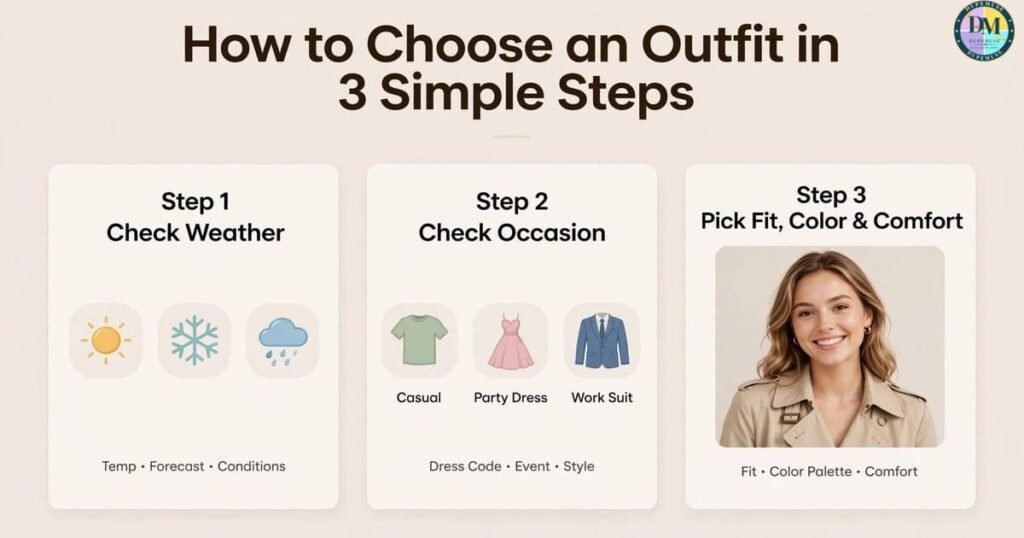
Start by checking the weather, including rain, wind, and humidity. Then review your plans and any required dress code. Finally, choose an outfit that fits the setting and lets you move comfortably. This three-step method helps you avoid dressing too lightly for a cold morning or wearing formal clothes to a relaxed event.
A daily outfit planner can make the process even easier. You can prepare tomorrow’s clothes before bed and keep suitable shoes and accessories nearby. If you have an early meeting, set aside your work clothes the night before. Over time, this small habit can reduce stress and make your mornings feel calmer.
What to Wear Based on Your Personal Style
Your clothes should reflect who you are, not simply copy what you see online. You might prefer classic shirts, relaxed denim, sporty pieces, bold colors, or simple neutral outfits. Notice which clothes make you feel comfortable and confident. Then use those pieces as the foundation for new combinations.
For useful outfit inspiration, save pictures of looks you genuinely like. Pay attention to their colors, shapes, and layers rather than trying to copy every detail. You can often recreate a similar look with items already in your closet. The goal of outfit personalization is to make your wardrobe work for you, your routine, and your preferences.
2. What Should I Wear Based on Today’s Weather?
The weather can change how an outfit feels, even when the clothes look great indoors. Hot sunshine, cold wind, heavy rain, and high humidity all affect comfort. That’s why weather-based outfit ideas should begin with local conditions instead of a fixed seasonal rule. A sunny winter afternoon may need lighter layers than a windy morning in spring.
When deciding what to wear based on the weather, check both the current conditions and the forecast for later. Think about whether you’ll walk outside, drive to work, or spend most of the day indoors. A useful outfit protects you from the elements without making you feel restricted. Small changes in fabric, footwear, and layering can make a major difference.
What to Wear in Hot and Humid Weather
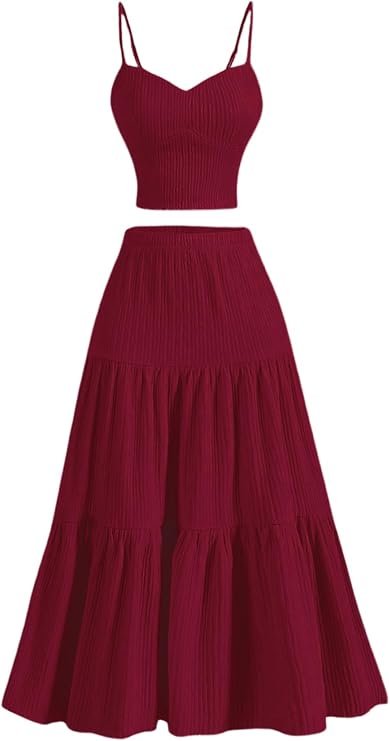
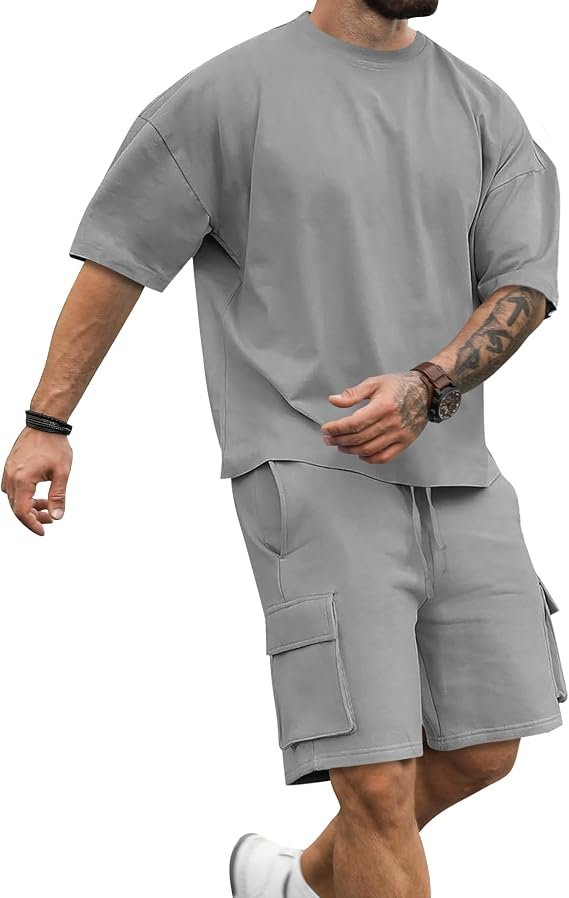
Hot, humid days call for clothes that allow heat and sweat to escape. Choose breathable fabrics such as cotton and linen when they suit your activity. Loose shirts, lightweight trousers, tailored shorts, and airy dresses can help you stay comfortable. These hot weather clothing choices work well for outdoor errands, casual lunches, and summer walks.
Look for breathable fabrics for summer and consider moisture-wicking materials when you’ll be active. Lightweight cotton works well for many everyday settings, while technical fabrics may manage sweat better during exercise. Linen outfit ideas include a relaxed linen shirt with shorts or wide-leg trousers. Finish with comfortable sandals, sunglasses, and sun protection when spending time outdoors.
 |
 |
What to Wear in Cold Weather
Cold days require more than a thick coat. The right combination of layers helps you stay warm while allowing you to move comfortably. Start with a suitable base layer, add a sweater or fleece, and finish with a coat that matches the conditions. These cold weather outfits can work for commuting, shopping, and outdoor activities.
Pay attention to your hands, feet, and head when temperatures drop. Warm socks, gloves, and a hat can make outdoor time more comfortable. Choose boots with suitable traction when snow or ice is present. If you expect freezing conditions, check local weather alerts and limit exposure when necessary. The best winter clothing protects you without creating too much bulk.

What to Wear in Rainy and Windy Weather
Rain can turn an ordinary commute into an uncomfortable experience. Choose a waterproof or water-resistant jacket according to the expected conditions. Add shoes with good grip and trousers that won’t drag through puddles. These rainy day outfit ideas help you stay comfortable while moving between your home, car, public transport, and workplace.
Wind creates another challenge because it can make cool air feel much colder. A wind-resistant outer layer helps block gusts, while a compact umbrella may help during lighter rain. Secure loose accessories and avoid footwear that becomes slippery when wet. If heavy rain or severe weather is expected, prioritize safety and follow local weather guidance.
What to Wear in Mild or Changing Temperatures
Mild weather can be harder to dress for than extreme heat or cold. A morning may feel chilly, while the afternoon becomes warm enough for short sleeves. A long-sleeved shirt, jeans, and a lightweight jacket offer a flexible starting point. You can remove the jacket later without changing your entire outfit.
Think about where you’ll spend most of your time, too. An air-conditioned office may feel cold even when the outdoor temperature is pleasant. A cardigan or thin overshirt can help you adjust without carrying a heavy coat. These outfit ideas based on weather are especially useful during spring and fall, when temperatures often change throughout the day.
How to Dress in Layers for Unpredictable Weather
Layering gives you more control over your comfort. Begin with a base layer that feels good against your skin. Add an insulating layer, such as a sweater, when warmth is needed. Finish with a protective outer layer when rain or wind is expected. You can remove or add pieces as conditions change.
For example, imagine leaving home on a cool morning for a full day of errands. A cotton T-shirt, a cardigan, jeans, and a light rain jacket offer several options. If the sun comes out, remove the outer layers. If the wind picks up, put them back on. This simple approach makes unpredictable weather easier to manage.
3. What Should I Wear for Different Occasions?
The right outfit depends on more than temperature. Your destination, the people you’ll meet, and the event’s expectations all matter. Clothes that suit a picnic may not work for a formal dinner. Before getting dressed, consider the occasion, the setting, and any stated dress code. This helps you look appropriate without losing your individuality.
The good news is that you can adapt many wardrobe pieces to different situations. A blazer can work for an office meeting and a dinner out. Clean sneakers may suit casual workplaces and weekend plans. With a few thoughtful changes, you can create useful work outfit ideas, smart casual outfits, and event looks without buying a new wardrobe.
What to Wear to Work or the Office
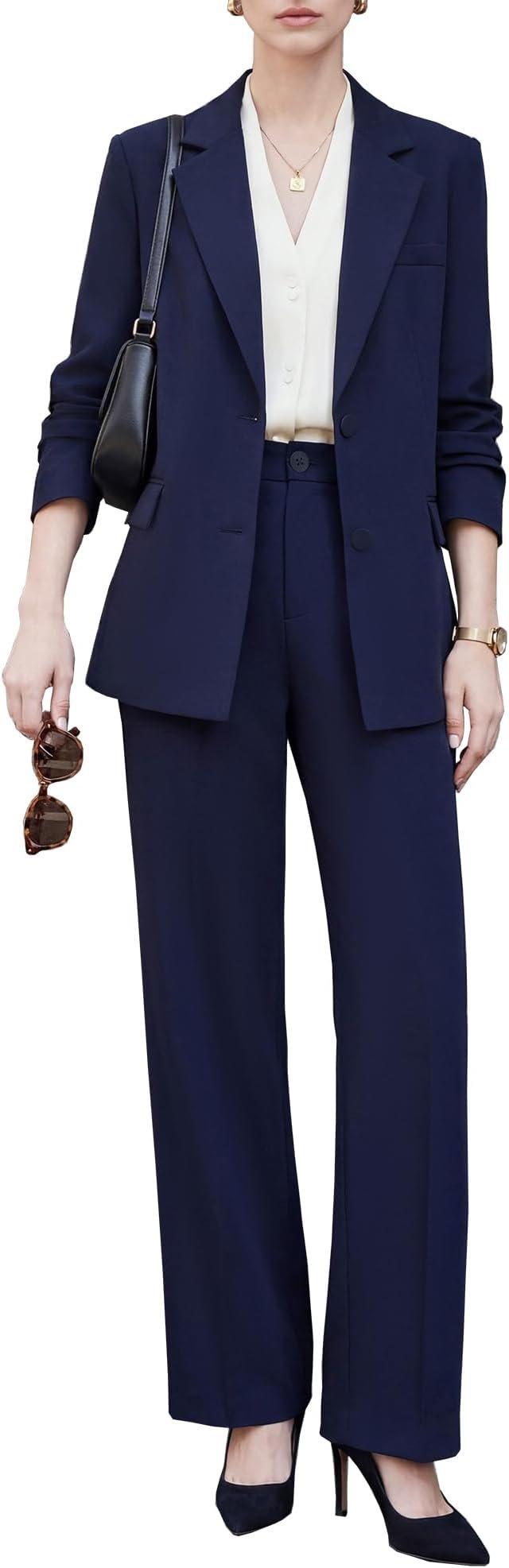
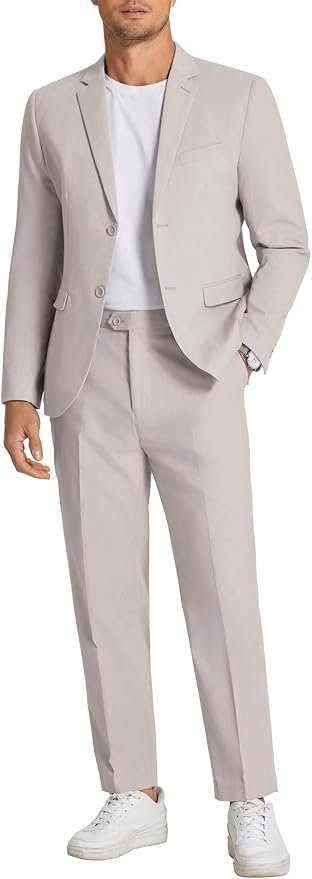
Work clothing varies across the United States. A corporate office may expect business professional attire, while a creative workplace may allow jeans and casual shirts. Check your workplace policies and observe what colleagues wear. When unsure, choose a polished outfit that feels comfortable and suits your responsibilities.
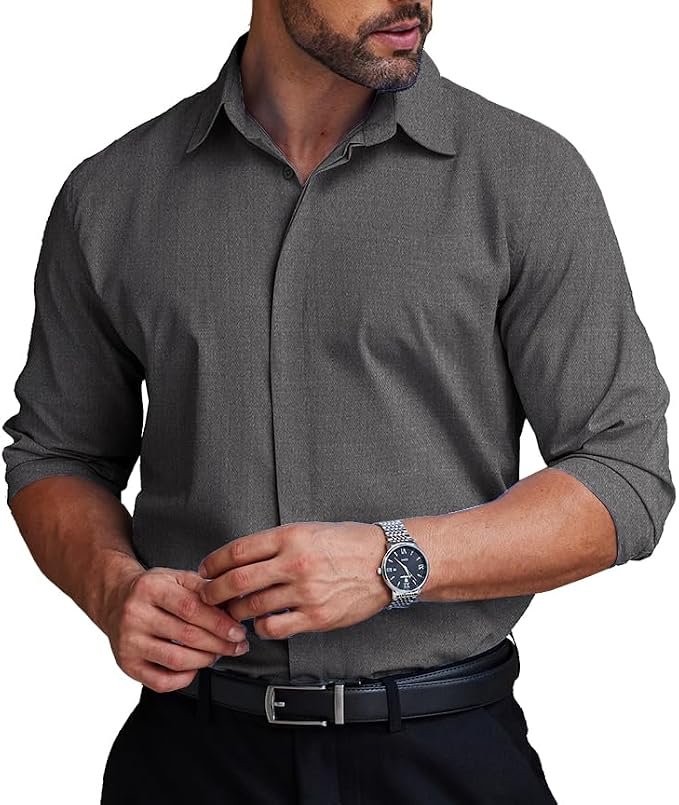
For many offices, tailored trousers, a neat shirt, a simple dress, or a blouse with a blazer creates a reliable foundation. Choose comfortable footwear if your commute involves walking. These smart casual outfits can bridge the gap between relaxed and formal settings. A few versatile pieces also make it easier to create different work looks throughout the week.
 |
 |
 |
What to Wear for a Job Interview
A job interview is a chance to show that you understand the role and its professional expectations. Research the company before choosing your outfit. Traditional corporate roles often call for more formal clothing, while some creative or hands-on positions may have different standards. When possible, ask the recruiter about appropriate attire.
Choose clean, well-fitting clothes that let you sit, stand, and move comfortably. A blazer, tailored trousers, a neat shirt, or a simple dress can work in many interview settings. Avoid distracting accessories if they make you feel uncomfortable. For a video interview, check how your outfit looks on camera and make sure the background is tidy.
What to Wear on a First Date
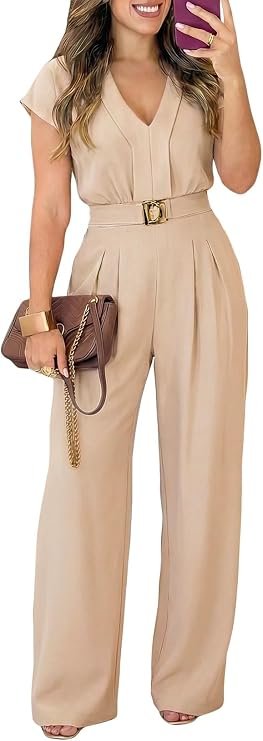
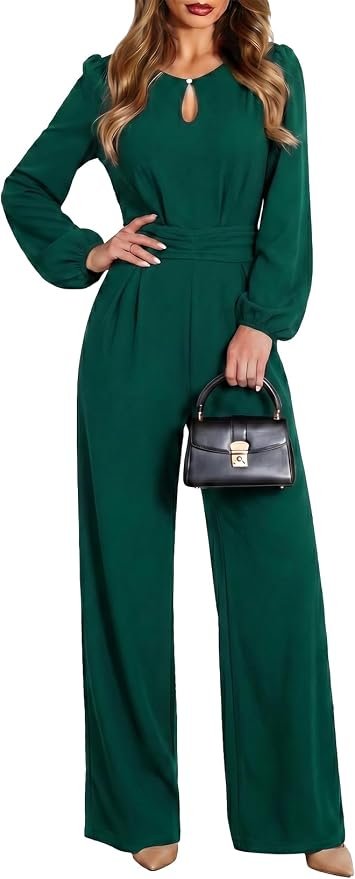
A good first-date outfit should feel like you. You don’t need to dress as someone else to make a strong impression. Instead, choose clothes that suit the activity and help you relax. Jeans with a nice top may work for coffee, while a simple dress or smart casual combination may suit dinner.
Comfort matters because it lets you focus on the conversation. Wear shoes that suit the venue and any walking you expect to do. Choose a jacket if you’ll be outside later. A favorite color, a meaningful accessory, or a well-fitting shirt can add personality without making the outfit feel forced.
 |
 |
What to Wear to a Wedding as a Guest
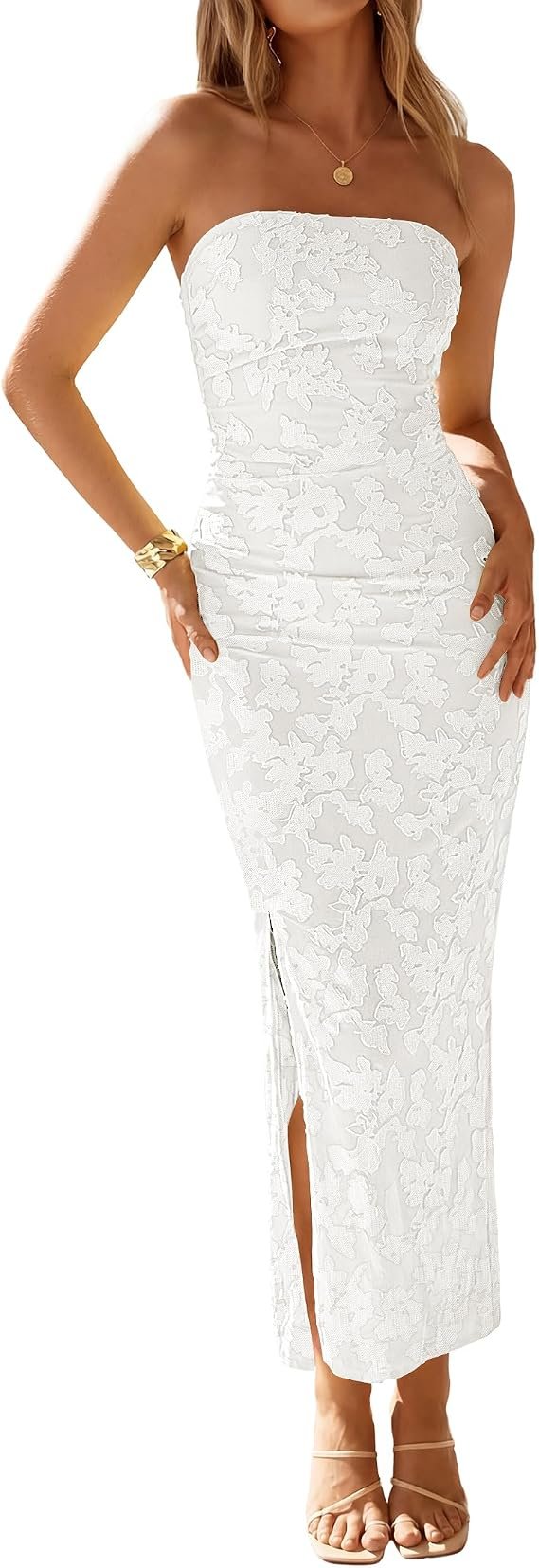
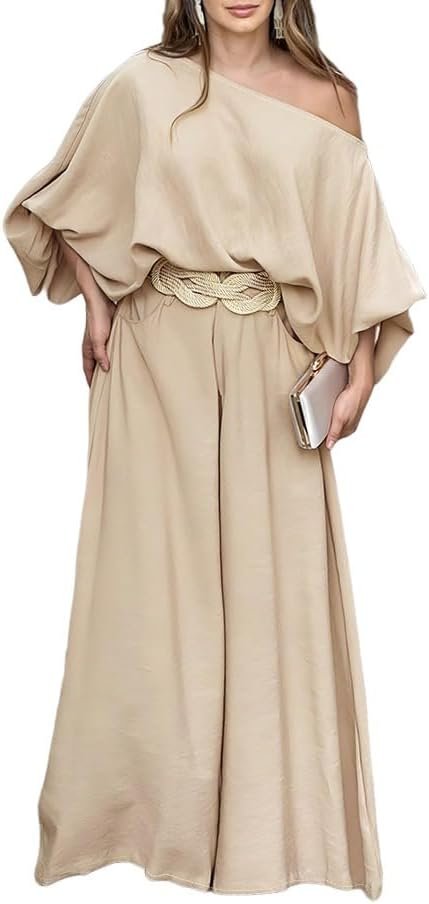
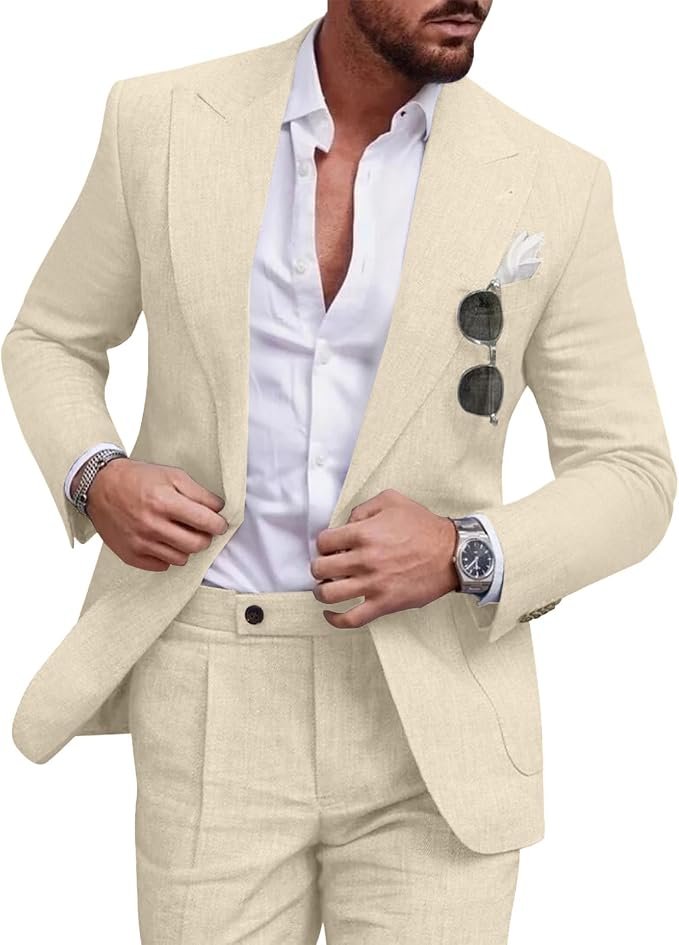
Wedding attire depends on the invitation, venue, season, and stated dress code. Black-tie events usually require formal eveningwear, while cocktail attire allows a more flexible polished look. Outdoor weddings may call for shoes that work on grass or uneven ground. Always read the invitation before deciding what to wear.
When the dress code is unclear, ask the couple or organizer for guidance. Avoid clothing that conflicts with their stated preferences, and be mindful of cultural traditions. Choose fabrics that suit the climate and a style that allows you to enjoy the event. A comfortable guest is better prepared for a long ceremony, photographs, and dancing.
 |
 |
 |
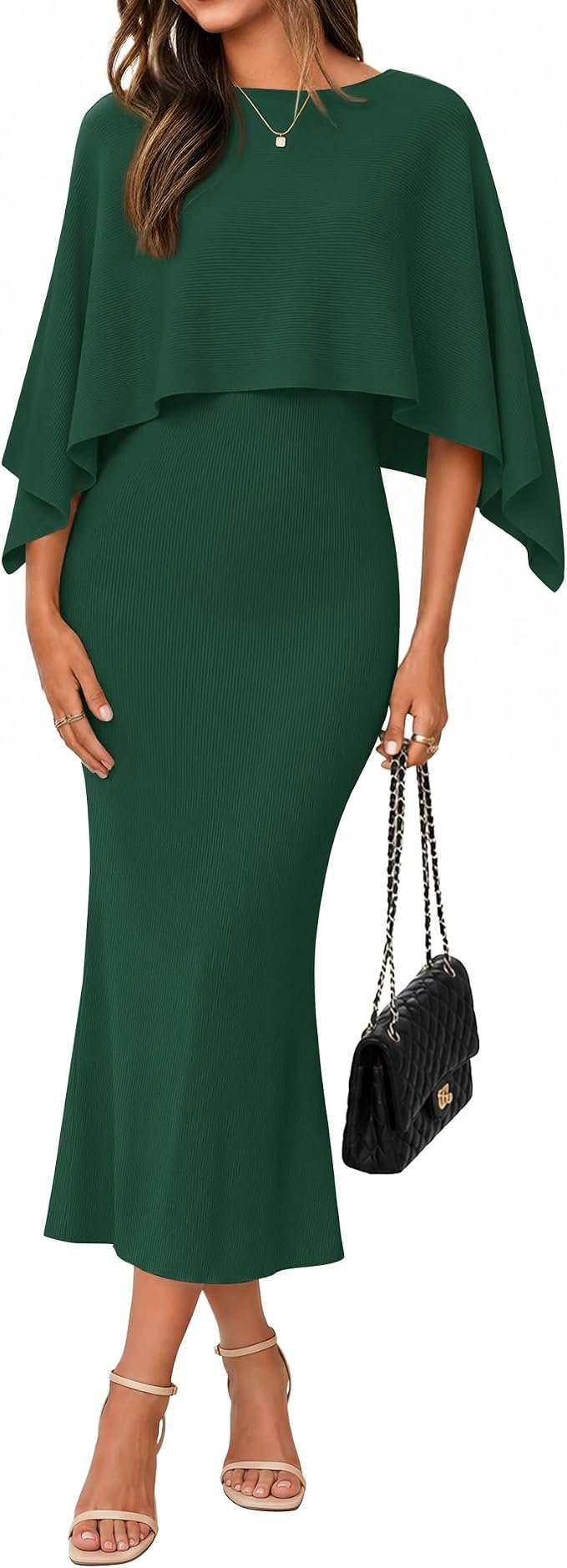
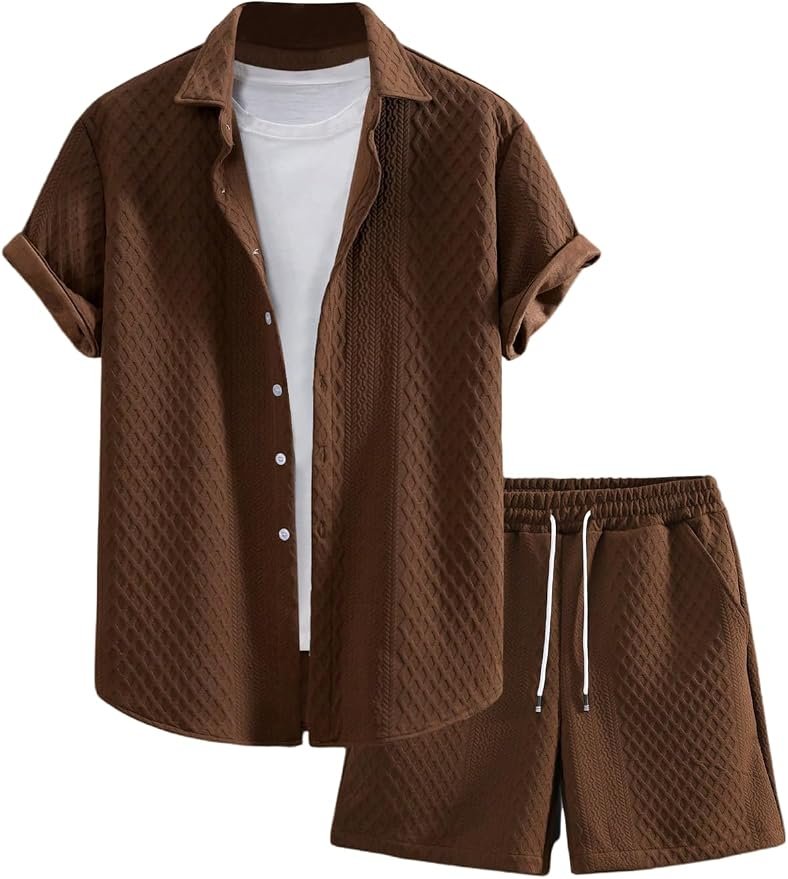
Party outfits can range from relaxed to glamorous. A casual gathering may call for jeans, a clean top, and sneakers. A cocktail party may suit tailored trousers, a dress, polished shoes, and a few accessories. The invitation and venue can help you decide how formal to go.
If you’re heading straight from work to a social event, start with a versatile base outfit. Change your shoes or add a blazer and simple jewelry to create a more polished look. This approach saves time and helps you get more use from the same clothing. The best outfit suits the event while still feeling natural.
 |
 |
What to Wear for School, College, or Everyday Activities
School and college outfits need to balance comfort, practicality, and personal taste. Jeans, T-shirts, hoodies, knitwear, and sneakers are common choices for everyday settings. If you walk across a large campus, choose shoes that support long periods on your feet. Check any school dress rules before planning your outfit.
A small collection of versatile pieces can cover most weekly activities. For example, one pair of jeans may work with several shirts, while a hoodie can provide an extra layer on chilly mornings. Choose clothing that’s easy to wash and comfortable for long days. These comfortable everyday outfits make daily dressing simpler without sacrificing individuality.
4. What Should I Wear Based on the Season?
Each season brings different clothing needs, but the United States has many regional climates. Summer in Arizona can feel very different from summer in Florida. Winter in Minnesota may require heavy insulation, while parts of California remain relatively mild. Use the season as a starting point, then adjust your outfit to the local forecast.
Seasonal dressing also gives you a chance to make better use of your wardrobe. Rotate clothing as temperatures change, and keep versatile pieces within easy reach. A light jacket, for example, may work in spring and fall. Choosing adaptable items helps you create more looks without buying new clothes every few months.
Spring Outfit Ideas
Spring weather often shifts between cool mornings, warm afternoons, and sudden showers. Lightweight jackets, cardigans, long-sleeved shirts, jeans, and comfortable sneakers offer useful combinations. A removable layer makes it easier to adapt when the sun comes out. Choose fabrics that feel comfortable indoors and outside.
You can also bring lighter colors and prints into your outfits if you enjoy them. A floral dress with a denim jacket or chinos with a casual shirt can suit many spring activities. Keep a rain jacket nearby when showers are likely. The key is to prepare for changing conditions rather than dressing for the calendar alone.
Summer Outfit Ideas
Summer outfit ideas should focus on comfort, airflow, and sun protection. Lightweight shirts, linen trousers, shorts, skirts, and loose dresses can help in warm conditions. Choose cotton, linen, or suitable moisture-wicking materials based on your activity. If you spend hours outside, also consider a hat, sunglasses, and sunscreen.
Indoor spaces may be heavily air-conditioned, even during hot weather. A thin cardigan or overshirt can help when moving between the outdoors and cool buildings. For casual plans, sandals or breathable sneakers may work well. Choose footwear that fits the activity, especially if you’ll walk long distances or stand for extended periods.
Fall Outfit Ideas
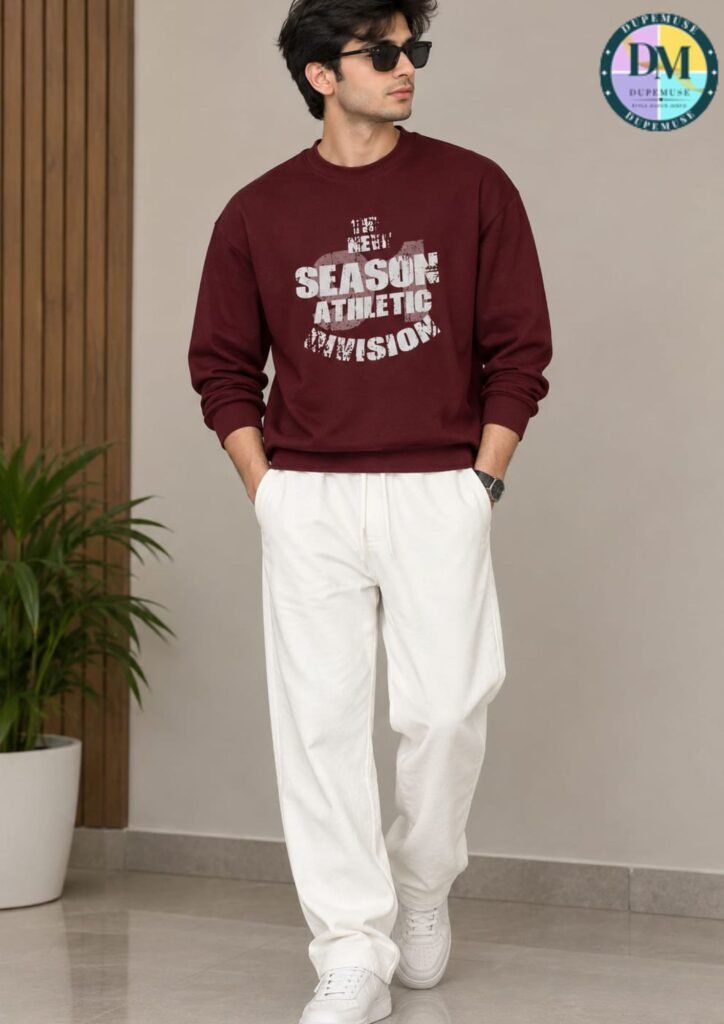
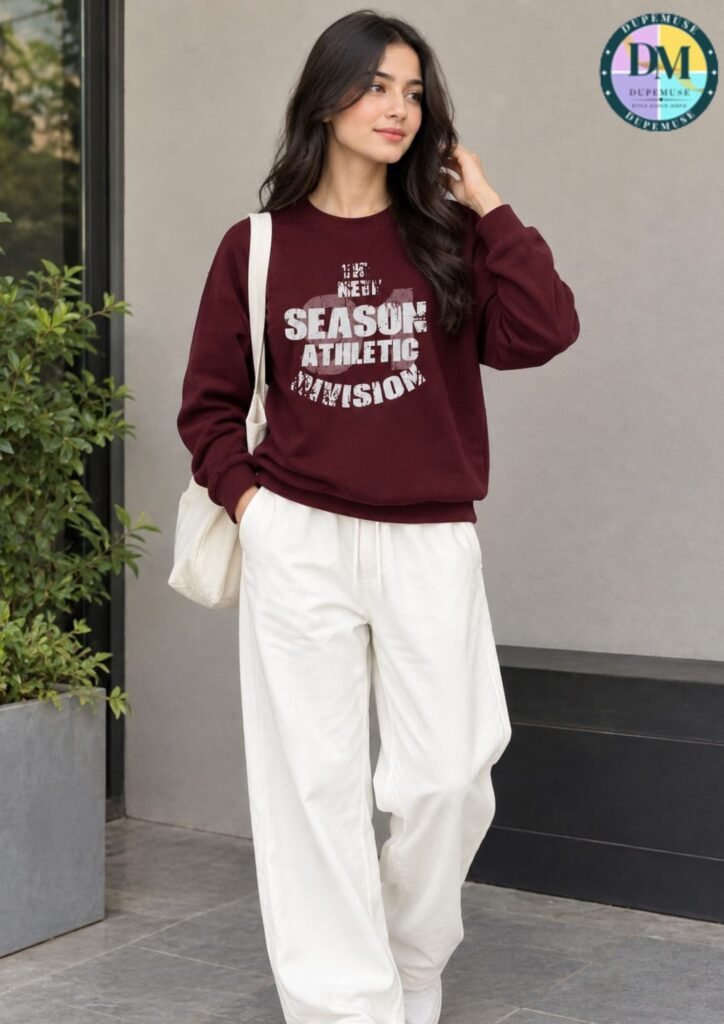
Fall is ideal for combining different textures and layers. Jeans, sweaters, overshirts, boots, and lightweight coats create practical outfits for cooler days. Earth tones are popular in autumn, but you can wear any colors that suit your taste. A few interchangeable pieces can create many combinations.
Check the forecast before choosing heavier clothing. A thick sweater may feel comfortable in the morning but become too warm in the afternoon. Layering lets you adjust without changing your whole outfit. For work, try tailored trousers with knitwear and a blazer. For weekends, denim and a casual jacket offer an easy alternative.
Winter Outfit Ideas
Winter outfit ideas should reflect how cold and wet your local area becomes. In freezing regions, thermal layers, insulated coats, warm socks, gloves, and suitable boots can help protect against cold conditions. In milder regions, a sweater and medium-weight jacket may be enough. Always consider wind, rain, snow, and time spent outdoors.
Indoor heating can make heavy layers uncomfortable once you arrive at work or a store. Choose clothing you can remove easily and carry when necessary. If snow or ice is present, footwear with good traction is important. A stylish outfit is useful, but warmth and safety should come first during severe winter weather.
How to Transition Outfits Between Seasons
You don’t need to replace your wardrobe every time the weather changes. Instead, reuse familiar clothes with different layers and accessories. Wear a summer dress with tights and a cardigan, or pair a lightweight shirt with a warm jacket. Small adjustments can extend the usefulness of many items.
Store out-of-season clothes clean and dry, but keep transitional pieces accessible. A lightweight jacket may still be useful during cool summer evenings or mild winter days. Review your clothing before shopping so you know what you already own. This habit reduces waste and makes seasonal outfit planning more affordable.
5. What Should I Wear to Look Stylish and Feel Confident?
Style doesn’t require expensive labels or a closet full of new clothes. Often, a good outfit comes down to fit, color, proportion, and comfort. Clothes that suit your routine are more likely to become regular favorites. Start with pieces you enjoy wearing, then experiment with small changes to discover what works best.
Confidence also grows when your outfit feels right for the situation. You may prefer simple clothing for everyday errands and more expressive looks for social events. Neither choice is better than the other. The aim is to build a personal style that supports your lifestyle instead of making dressing feel like a daily performance.
How to Choose Colors That Work Together
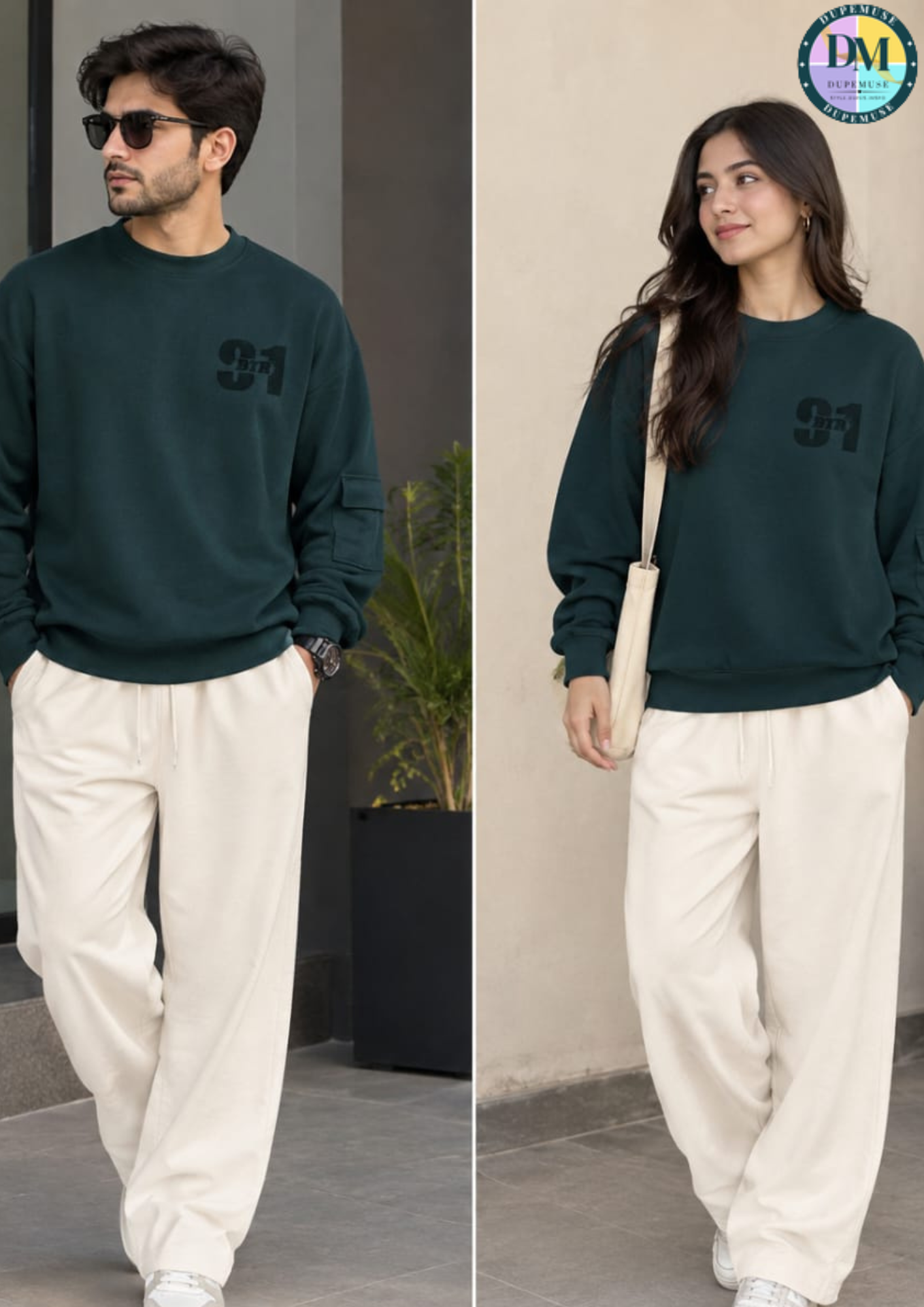
Color can change the mood of an outfit. Neutral shades such as black, white, gray, navy, and beige are easy to combine. You can add a brighter color through a shirt, scarf, bag, or pair of shoes. Starting with a simple palette makes it easier to coordinate clothing.
Try wearing one main color with two supporting shades. For example, navy trousers, a white shirt, and a tan belt create a balanced look. You can also build a monochromatic outfit using different shades of the same color. These are useful starting points, not strict rules. Choose colors that you enjoy and feel comfortable wearing.
 |
How to Match Clothes, Shoes, and Accessories
Shoes influence how formal or relaxed an outfit appears. Sneakers can make tailored trousers feel casual, while loafers or dress shoes may create a more polished look. Bags, belts, scarves, and jewelry can connect the colors or textures in your outfit. You don’t need every item to match exactly.
Try choosing one feature as the main focus. If your clothes have bold patterns, simple accessories may create balance. If your outfit is mostly neutral, a colorful bag or interesting necklace can add character. Consider comfort and function, too. Shoes should suit the amount of walking you’ll do, while bags should fit what you need to carry.
How to Dress for Your Body Shape and Comfort
The most useful clothing fits your body and allows you to move freely. You may prefer relaxed trousers, fitted tops, flowing dresses, or structured jackets. Try different cuts and lengths to discover what feels good. You don’t need to follow rigid rules about which shapes are supposedly right for your body.
Pay attention to the areas that affect comfort most. Waistbands should not dig into your skin, sleeves should allow natural movement, and shoes should fit properly. Simple alterations can improve how clothes sit on your body. When you feel comfortable, it’s easier to enjoy your outfit and focus on the day ahead.
How to Build Outfits Around Your Favorite Clothes
Your favorite items can serve as the foundation for several outfits. If you love a denim jacket, wear it with dresses, trousers, or a simple T-shirt and jeans. If black trousers are your go-to choice, change the top, shoes, and accessories to create different looks. One useful item can offer many possibilities.
Try taking photos of combinations you like. These pictures create a personal outfit library you can use on busy mornings. You can also note which combinations suit work, weekends, and social plans. This simple method makes outfit rotation easier and helps you rediscover clothing that might otherwise remain forgotten in your closet.
How to Balance Trends With Your Personal Style
Fashion trends can provide fresh ideas, but you don’t need to follow every new look. Choose trends that fit your taste, budget, and existing wardrobe. A trendy bag, color, or accessory may update familiar clothes without requiring a full shopping trip. This approach helps you experiment while keeping your style consistent.
Before buying something fashionable, ask whether you’ll wear it with items you already own. Consider how often it will suit your daily routine. If a trend feels uncomfortable or impractical, skip it. Personal style develops through repeated choices, not through purchasing every item that appears online.
6. What Should I Wear When I Have Nothing to Wear?
Feeling like you have nothing to wear doesn’t always mean you need more clothes. Sometimes, the problem is that your wardrobe is disorganized or your favorite items are difficult to find. You may also own many pieces that don’t work well together. Understanding the cause helps you solve the problem without spending money unnecessarily.
Start by looking at the clothes you reach for most often. Notice their colors, fits, and uses. Then identify why other items rarely leave the closet. Some may need repairs, while others may no longer suit your lifestyle. A small amount of planning can turn a frustrating wardrobe into a more useful collection.
Why You Feel Like You Have Nothing to Wear
A crowded closet can create wardrobe paralysis when too many choices make it difficult to decide. This is a form of choice overload. You might also have plenty of special-occasion clothes but few comfortable pieces for ordinary days. In other cases, favorite items are hidden beneath clothes you rarely use.
Try separating your clothing by type and reviewing what you actually wear. Look for missing basics, uncomfortable fits, and items that don’t match anything else. Don’t rush to discard everything you rarely wear. First, consider whether alterations, repairs, or new combinations could make those pieces useful again.
Easy Outfit Formulas Using Clothes You Already Own
Simple outfit formulas reduce the need to invent a new look each morning. Jeans, a plain T-shirt, and sneakers create an easy casual outfit. Tailored trousers, a knit top, and loafers can work for smart casual settings. A simple dress with a cardigan offers another practical combination.
You can adapt these formulas to the season and occasion. Replace the T-shirt with a sweater when temperatures drop, or add a lightweight jacket when rain is expected. Change your shoes to make the same clothing feel more formal or relaxed. Once you find a few reliable combinations, daily dressing becomes much faster.
How to Create More Outfits With Fewer Clothes
The secret to a versatile wardrobe is choosing pieces that work together. A neutral shirt might pair with jeans, tailored trousers, or a skirt. A jacket may suit both casual and work outfits. When items coordinate across different combinations, you can create variety without owning large amounts of clothing.
A simple wardrobe exercise can help. Choose five tops, three bottoms, two outer layers, and two pairs of shoes that suit your lifestyle. Experiment with different combinations over several days. The exact numbers don’t matter. What matters is learning which items work together and identifying any genuine gaps before shopping.
Wardrobe Essentials for Everyday Dressing
Wardrobe essentials are the practical items you reach for repeatedly. They might include comfortable jeans, plain tops, a versatile sweater, suitable shoes, and weather-ready outerwear. Your list should reflect your lifestyle. Someone who works in a formal office will need different basics from someone who works remotely or spends most days outdoors.
Quality, fit, and usefulness matter more than owning a specific list of fashionable items. Choose colors that coordinate with several pieces you already own. Replace clothing when it becomes worn or uncomfortable, and avoid buying duplicates unless you need them. A smaller collection of useful clothes can make getting dressed much easier.
How to Avoid Outfit Decision Fatigue
Making dozens of small decisions each morning can feel exhausting. You can reduce this strain by preparing outfits the night before and keeping reliable combinations together. Check the weather forecast and review tomorrow’s schedule before choosing. This gives you time to notice missing items or unsuitable footwear.
A weekly outfit planner can help if your days follow a regular pattern. You might prepare work outfits on Sunday and leave room for changes when plans shift. Keep a few backup combinations for unexpected meetings or weather changes. Planning doesn’t need to remove spontaneity. It simply gives you a useful starting point.
7. What Should I Wear for Different Everyday Activities?
Everyday activities call for clothes that support what you’ll actually do. An outfit for sitting at home may not suit a long walk or a day of appointments. Think about movement, comfort, weather, and how long you’ll wear each item. Practical choices can still look neat and reflect your personal style.
Before choosing clothes, consider whether you’ll need to carry anything, travel between different places, or spend time outdoors. Comfortable shoes and adaptable layers are often useful. Once you understand your day’s demands, it’s easier to create an outfit that looks good and works in real life.
What to Wear When Running Errands
Errand outfits should be easy to move in and comfortable for several stops. Jeans, a breathable top, and sneakers work for many casual routines. In warm weather, shorts or lightweight trousers may feel better. Add a jacket if the forecast suggests cool temperatures or rain.
Think about how long you’ll be out and whether you’ll walk much. Supportive footwear is helpful when visiting stores or completing several appointments. A practical bag can keep your essentials together without adding unnecessary weight. These small details make ordinary errands feel more manageable.
What to Wear While Working From Home
Working from home offers flexibility, but comfort still matters. Soft trousers, knit tops, breathable shirts, and light layers can work well for long hours at a desk. Choose clothes that allow you to sit comfortably and move during breaks. You don’t need formal office wear unless your work requires it.
For video meetings, keep a few polished tops ready. A simple shirt or cardigan can create a professional appearance without changing your entire outfit. Consider the room temperature, too. Home offices can become warm or cold during the day. Clothing that adapts easily can support both comfort and focus.
What to Wear for Travel and Long Flights
Travel outfits should support comfort, changing temperatures, and easy movement. Stretch-friendly trousers, a breathable top, a light sweater, and comfortable shoes create a useful starting point. Airplane cabins may feel cool, so a removable layer can help. Choose footwear that makes walking through terminals easy.
For long journeys, avoid clothing that restricts movement or becomes uncomfortable after sitting for hours. Keep important items accessible and consider fabrics that resist wrinkles. If you’re traveling to a different climate, check the destination forecast before packing. Dressing for both the journey and arrival can reduce the need for extra luggage.
What to Wear for Walking and Outdoor Activities
Walking outfits depend on the route, distance, weather, and level of activity. Comfortable shoes with suitable support are important, especially on long walks. Breathable clothing works well in warm conditions, while layers help when temperatures drop. For trails, choose footwear and clothing designed for the terrain.
If you’ll spend extended time outside, consider sun protection and a suitable water supply. Reflective details can improve visibility when walking near roads in low light. In cold or wet conditions, use clothing that protects against the elements. Match your outfit to the activity rather than assuming everyday fashion shoes will work everywhere.
What to Wear for a Casual Day Out
A casual day out might include brunch, shopping, a museum visit, or meeting friends. Jeans with a clean top and sneakers are easy to adapt. You could also wear a casual dress with a light jacket or relaxed trousers with a knit top. The right choice depends on the venue and your plans.
For a more polished look, add a structured bag, a neat jacket, or simple accessories. If you’ll walk a lot, choose comfortable footwear before focusing on appearance. Check the forecast if you’ll move between indoor and outdoor spaces. A flexible outfit lets you enjoy the day without worrying about your clothes.
8. How to Choose an Outfit Based on Temperature
Knowing what to wear based on temperature gives you a useful starting point for daily decisions. However, the number on a weather app doesn’t tell the whole story. Wind, humidity, sunshine, activity, and personal comfort all affect how warm or cold you feel. Treat temperature ranges as guides rather than strict clothing rules.
The table below offers general suggestions for everyday dressing in the United States. Adjust each recommendation to local conditions and the amount of time you’ll spend outside. A short walk to the car requires different preparation from an hour outdoors. When extreme weather is expected, follow official guidance and prioritize safety.
| Temperature | Suggested clothing | Helpful consideration |
|---|---|---|
| 30°F and below | Thermal layers, warm coat, gloves, hat, insulated footwear | Protect exposed skin during prolonged cold |
| 30–50°F | Sweater, sweatshirts , long sleeves, medium-weight jacket, closed shoes | Add insulation near the colder end |
| 50–70°F | Long-sleeved top, jeans or chinos, light jacket | Use removable layers |
| 70–85°F | Breathable tops, lightweight trousers, shorts, dresses | Consider humidity and sun exposure |
| Above 85°F | Lightweight clothing, airy fabrics, sun protection | Reduce unnecessary layers and limit strenuous activity in extreme heat |
What to Wear at 30°F and Below
Freezing weather calls for warm layers and protection from wind and moisture. Start with a base layer that helps manage perspiration, add insulation, and wear a suitable winter coat. Warm socks, gloves, and a hat can help reduce heat loss. Choose boots with good traction when snow or ice is present.
Your activity matters, too. Walking briskly may make you warmer than standing at a bus stop. However, don’t rely on movement alone to stay warm. Check wind chill and local alerts before spending a long time outdoors. In severe cold, reduce exposure and make sure your clothing is suitable for the conditions.
What to Wear at 30–50°F
This range often calls for a sweater or long-sleeved shirt with a jacket. Jeans, chinos, and closed-toe shoes suit many everyday activities. If temperatures sit near the lower end, add a warmer layer. Near the upper end, a lighter jacket may be enough, especially in sunshine.
Think about the full day’s forecast rather than dressing for one moment. A cold morning may become mild by lunchtime. A removable jacket or cardigan helps you adjust without carrying several bulky items. If wind or rain is present, choose outerwear that offers suitable protection.
What to Wear at 50–70°F
Mild temperatures allow plenty of flexibility. Long-sleeved shirts, light sweaters, jeans, and lightweight jackets work well for many people. On sunny days, you may feel comfortable in short sleeves. In shaded or windy areas, an extra layer may still be useful.
Choose clothing according to your plans and personal comfort. Someone cycling or walking briskly may need fewer layers than someone sitting outside. Keep a light jacket nearby when the temperature is expected to fall later. These adaptable combinations work well during spring, fall, and mild winter afternoons.
What to Wear at 70–85°F
Warm temperatures often suit breathable tops, shorts, skirts, dresses, and lightweight trousers. Cotton and linen can feel comfortable for relaxed activities, while suitable moisture-wicking fabrics may work better for exercise. Choose footwear that matches the setting and offers enough support for walking.
Humidity can make this range feel much hotter. Loose clothing may improve airflow, while sun protection matters during long periods outdoors. If you’ll spend time in an air-conditioned building, bring a thin layer. That way, you can stay comfortable both inside and outside.
What to Wear Above 85°F
Very hot weather calls for lightweight clothing, good airflow, and sensible sun protection. Choose breathable garments that don’t trap excess heat. A hat, sunglasses, and sunscreen can help protect you outdoors. If possible, plan strenuous activities for cooler parts of the day.
High humidity makes sweat evaporate less easily, so your body may struggle to cool itself. Moisture-wicking materials can help manage sweat, especially during exercise, but they don’t eliminate heat risk. Drink water, take breaks, and pay attention to heat warnings. Clothing is only one part of staying safe in extreme temperatures.
How Wind Chill and Humidity Affect What You Should Wear
Wind chill describes how wind increases heat loss from exposed skin in cold conditions. This means a day that seems manageable on a thermometer can feel much colder in strong wind. Wind-resistant outerwear and covered skin become more important when gusts are strong. Consider the forecast before choosing a light jacket.
In hot weather, humidity affects how efficiently sweat evaporates. The heat index combines temperature and humidity to describe how hot conditions may feel. During very hot, humid weather, choose lightweight clothing and reduce strenuous outdoor activity when needed. For current conditions and safety advice, consult the National Weather Service.
9. How to Build a Versatile Wardrobe for Every Occasion
A versatile wardrobe makes it easier to answer the question, “What should I wear?” without buying new clothes every week. The goal is to own pieces that suit your routine and work well together. Start with your actual needs, including work, social plans, exercise, travel, and local weather. Then build around those priorities.
A useful wardrobe doesn’t have to be large or expensive. It should help you create outfits with less effort. Choose comfortable items, coordinate colors where practical, and keep clothing in good condition. When you understand what you own and how you wear it, you can make better shopping decisions and avoid unnecessary clutter.
Essential Clothing Items Everyone Can Mix and Match
Useful basics often include everyday tops, trousers or jeans, comfortable shoes, a sweater, and suitable outerwear. Depending on your routine, you may also need office clothing, workout gear, or special-event pieces. Choose items that fit your life rather than following a universal checklist.
Neutral colors can make coordination easier, but you don’t need an entirely neutral closet. Include colors, prints, or statement pieces that reflect your taste. Before buying a new item, think about at least three ways to wear it with clothing you already own. This simple test can help you avoid purchases that rarely leave the closet.
How to Create a Capsule Wardrobe
A capsule wardrobe is a small, coordinated collection of clothes that can create many different outfits. Begin by selecting pieces you wear often and feel comfortable in. Choose a few colors that work together, then add suitable tops, bottoms, layers, and shoes. The right number depends on your lifestyle and climate.
You can create separate capsules for work, weekends, or different seasons. For example, a small work capsule might include two pairs of trousers, several tops, a blazer, a sweater, and two pairs of shoes. These items can form many combinations without taking up excessive closet space. The goal is flexibility, not a strict limit on clothing.
How to Choose Clothes for Your Lifestyle and Budget
Your wardrobe should reflect how you spend your time. If you work in an office, professional clothing may deserve more space in your budget. If you work remotely, comfortable everyday clothes may be more useful. If you travel often, easy-care fabrics and adaptable layers could be worthwhile investments.
Set a clothing budget before shopping and consider how often you’ll wear each item. A more expensive piece may offer value if it lasts and suits many situations, but price alone doesn’t guarantee quality. Secondhand stores, clothing swaps, repairs, and tailoring can also help stretch your budget. Buy for your real life rather than an imagined routine.
How to Shop for Clothes You Will Actually Wear
Before shopping, review your closet and identify genuine gaps. You may need a rain jacket or comfortable work shoes rather than another pair of jeans. Check each potential purchase for fit, fabric, care needs, and compatibility with existing clothes. Consider the return policy if you’re buying online.
Avoid letting discounts make the decision for you. A cheap item isn’t a bargain if you never wear it. Think about how often it will suit your schedule and whether it fills a useful role. A short pause before checkout can prevent impulse purchases and help you build a more functional wardrobe over time.
How to Make Your Existing Wardrobe More Versatile
Sometimes, your wardrobe needs fresh combinations rather than new items. Try pairing familiar pieces in different ways, changing your layers, or using accessories to alter the overall look. A blazer can make a casual outfit feel more polished, while sneakers can make tailored clothing feel relaxed. Small adjustments can create useful variety.
Good wardrobe organization tips can also make a difference. Group similar items together, keep frequently worn clothing easy to reach, and store seasonal pieces where they’re still accessible when needed. Repair loose buttons and replace worn laces before discarding otherwise useful clothing. Taking care of what you own can extend its life and save money.
10. Frequently Asked Questions About What to Wear
The best outfit usually comes from a few practical details: local weather, your schedule, the setting, and personal comfort. You don’t need to solve every clothing decision from scratch. Once you develop a few reliable habits, you can make faster choices and feel more prepared for everyday plans.
The answers below address common questions about choosing clothes, planning outfits, and using your wardrobe more effectively. Use them as starting points and adjust the advice to your location, activities, and preferences. The aim is to make daily dressing simpler, not to create more rules to follow.
What is the 3-3-3 rule for clothing?
Choose 3 tops, 3 bottoms, and 3 pairs of shoes to create multiple outfits with fewer pieces.
What makes a woman look wealthy?
Well-fitted clothes, quality fabrics, neutral colors, elegant accessories, neat grooming, and understated styling.
What’s the best outfit to wear today?
Try straight-leg jeans, a crisp white shirt, clean sneakers or loafers, and minimal jewelry for a chic, effortless look.
What is Gen Z wearing right now?
Wide-leg jeans, oversized tops, baggy trousers, vintage sneakers, sporty layers, and playful accessories are popular Gen Z-inspired styles.
Meta description
Wondering what should i wear? Get stylish outfit ideas for men & women for casual, work & party looks for every occasion.