
Your skin faces a lot every day, from sunlight and pollution to stress, dryness, and natural aging. Over time, these factors can affect your tone, texture, and overall appearance. That’s where professional skin treatments can help. Depending on your needs, a qualified provider may recommend facial treatments, chemical exfoliation, laser procedures, microneedling, or other options.
Each approach targets different skin concerns, such as acne, dark spots, scars, fine lines, or uneven texture. However, choosing a treatment isn’t simply about following the latest trend. Your skin type, sensitivity, goals, recovery time, and medical history all matter. This guide explains the main skin treatment options and how to choose suitable professional care.
What Are Skin Treatments?
Professional skin treatments are procedures designed to improve skin health, skin texture, hydration, tone, scars, acne, or visible signs of aging. They include cosmetic services and medical procedures performed by trained professionals. Some work mainly on the surface while others affect deeper layers.
The phrase covers a surprisingly broad field. Skin care treatments can include exfoliation and hydration while medical procedures may involve lasers, needles, light energy, or injectables. Your goal matters because a treatment that helps pigmentation may do little for sagging skin or deep acne scars.


Types of Skin Treatments
The world of professional care can seem like a crowded toolbox. Skin treatment options range from gentle maintenance procedures to stronger resurfacing techniques. Your provider may also combine approaches when one procedure cannot address every concern.
The table below offers a quick comparison. Recovery varies with treatment strength, technique, skin condition, and individual healing.
| Treatment | Common purpose | Typical recovery |
|---|---|---|
| Facials | Cleansing, hydration, surface maintenance | Little or none |
| Chemical peels | Tone, texture, acne, pigmentation | Varies |
| Microdermabrasion | Surface exfoliation | Usually short |
| Microneedling | Scars, texture, fine lines | Usually several days |
| Laser treatments | Resurfacing, pigment, wrinkles | Device-dependent |
| LED therapy | Selected acne and inflammation concerns | Minimal |
| Radiofrequency | Firmness and collagen stimulation | Usually limited |
| Injectables | Wrinkles and facial volume | Usually short |
Facials
A professional facial usually combines facial cleansing, exfoliation, extraction, masking, and hydration. It can leave your skin feeling softer and refreshed. However, a facial generally works at a shallower level than medical resurfacing or collagen-stimulating procedures.
For example, a customized facial may suit someone seeking temporary radiance before an event. Someone with severe acne or persistent pigmentation may need a dermatologist-led plan instead. Think of facial care as regular maintenance rather than a universal cure for every skin concern.
Chemical Peels
Chemical peels use controlled chemical exfoliation to remove selected layers of damaged skin. Ingredients can include alpha hydroxy acids, salicylic acid, trichloroacetic acid, and other peeling agents. Strength ranges from superficial treatment to deeper procedures with more significant recovery.
Peels can address uneven skin tone, fine lines, acne, freckles, age spots, and sun-related changes. However, stronger products carry greater risks. The American Academy of Dermatology notes that some at-home peels have caused serious injuries and recommends professional supervision for chemical peels.
Microdermabrasion
Microdermabrasion uses controlled mechanical exfoliation to remove some of the outermost dead skin cells. It can make rough skin feel smoother and may create a brighter appearance. Treatment is generally less intensive than surgical resurfacing.
Despite its popularity, microdermabrasion has limits. It may improve surface dullness and texture but doesn’t erase deep scars. The American Academy of Dermatology notes that it can help even skin tone while other procedures may be needed for actual acne-scar treatment.
Dermabrasion
Dermabrasion is a deeper resurfacing procedure that physically removes layers of skin. Unlike microdermabrasion, it can reach deeper tissue and therefore requires more careful medical planning. It has historically been used for certain scars, wrinkles, and significant surface irregularities.
Because the procedure is more intensive, healing takes longer. Redness, infection, pigment changes, and scarring can occur. Your provider should explain both the expected improvement and the possibility of complications before treatment.
Microneedling
Microneedling creates controlled microscopic punctures that trigger the body’s wound-healing response. This process encourages collagen stimulation, which can gradually improve scars, fine lines, pores, and uneven texture. Results don’t appear overnight because collagen remodeling takes time.
The AAD says microneedling can treat acne scars, dark spots, large pores, melasma, sagging skin, wrinkles, and uneven tone. It also describes radiofrequency microneedling as a treatment that adds heat beneath the skin.
Dermaplaning
Dermaplaning uses a sterile surgical blade to gently remove surface cells and fine facial hair. Many people choose it for smoother-looking skin and temporary peach fuzz removal. Makeup can also appear more even afterward because the surface feels smoother.
The procedure doesn’t permanently remove facial hair or transform deep scars. It also isn’t suitable for every active skin condition. A trained provider should evaluate your skin before treatment, particularly if you have inflamed acne, irritation, or an easily disrupted skin barrier.
Laser Skin Treatments
Laser procedures use concentrated light energy to target specific structures or layers. Laser skin resurfacing can remove damaged outer layers or stimulate deeper remodeling. Other devices target pigment, blood vessels, or collagen without removing as much surface tissue.
There isn’t one universal laser. Ablative procedures usually create more dramatic resurfacing and more recovery. Non-ablative approaches generally create less disruption. Your skin tone also matters because poorly selected settings can increase the risk of unwanted pigmentation.
LED and Light Therapy
LED treatments use specific wavelengths of light rather than the concentrated energy used by many lasers. Blue light therapy is commonly used in acne-focused care because it can affect acne-related bacteria. Red light is also used in some cosmetic settings for skin appearance and inflammation.
Light therapy usually requires repeated sessions. Results can be subtle and depend on the device, condition, and treatment schedule. It shouldn’t be confused with intense pulsed light, which uses a broader spectrum and serves different cosmetic purposes.
Radiofrequency and Skin Tightening Treatments
Radiofrequency treatments deliver energy that heats tissue beneath the surface. This approach can encourage collagen remodeling and improve the appearance of mild laxity. Radiofrequency skin tightening can target areas such as the face, jawline, and neck.
Some devices use radiofrequency alone while others combine energy with needles. Thermage, for example, is a branded radiofrequency approach used for non-surgical skin tightening. These procedures can improve firmness but shouldn’t be presented as a replacement for surgical lifting.
Injectable Skin Treatments
Injectables include neuromodulators and dermal fillers, which serve different purposes. Botox and similar botulinum toxin products temporarily reduce specific muscle activity. Fillers add volume or improve selected contours and wrinkles.
These are medical procedures rather than ordinary skincare. The FDA warns that filler injections can cause bruising and swelling and, rarely, serious complications if material enters a blood vessel.
Acne Treatments
Professional acne treatments can support a broader acne-care plan. Depending on the situation, a dermatologist may consider prescription medicine, extraction, chemical exfoliation, or selected light-based procedures. Treatment should address active acne before focusing heavily on leftover marks.
The AAD says dermatologists may use chemical peels, laser or light procedures, and acne surgery in selected cases. Its updated guidelines also emphasize that evidence differs among procedures, so acne care should be individualized.
Hydration and Skin Rejuvenation Treatments
Hydration-focused procedures aim to improve the appearance and feel of dehydrated skin. They may combine cleansing, gentle exfoliation, humectants, moisturizers, or specialized devices. The result can be a temporary plumper and more luminous appearance.
However, professional hydration doesn’t replace barrier care at home. If your skin barrier remains irritated, repeated procedures may not solve the underlying problem. Gentle cleansing, moisturizer, and daily sun protection remain fundamental.
Treatments for Hyperpigmentation and Dark Spots
Dark marks have different causes. Sun exposure can create age spots while acne may leave post-inflammatory pigmentation. Melasma behaves differently again. Therefore, treatments for pigmentation should begin with identifying the cause rather than simply trying the strongest procedure.
Possible approaches include topical medicines, chemical peels, IPL, and selected lasers. IPL treatment for pigmentation can help certain sun-related discoloration, but settings must be chosen carefully. Excess irritation can sometimes make pigmentation more noticeable.
Treatments for Scars and Uneven Texture
Scar treatment begins with scar type. Depressed acne scars, raised scars, discoloration, and surgical scars don’t respond identically. Treatments for acne scars may include microneedling, laser resurfacing, chemical peels, fillers, radiofrequency, or scar surgery.
The AAD notes that dermatologists may combine procedures for better results. For example, a depressed scar may need one approach to release or lift it before another treatment improves the surrounding texture.

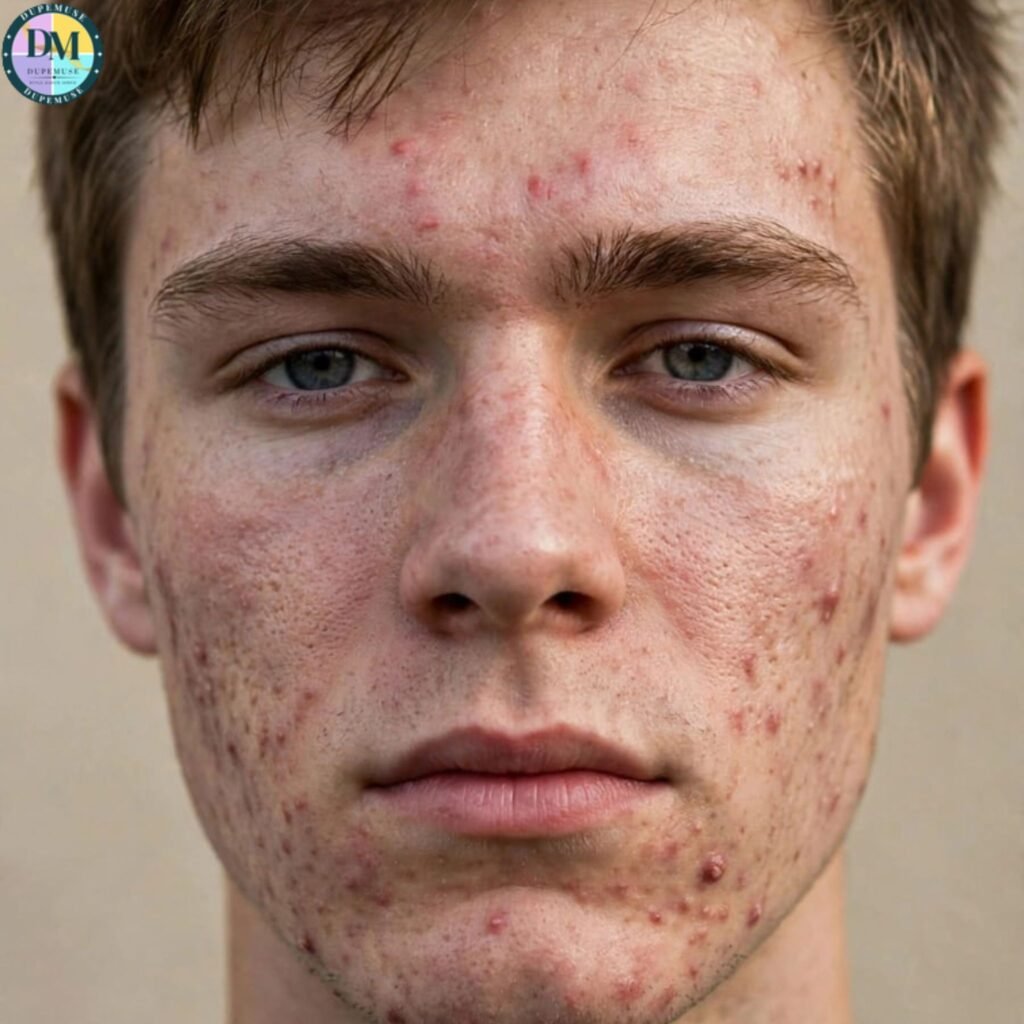
Which Skin Treatment Is Best for Your Skin Concern?
There isn’t one treatment that deserves the label “best” for everyone. The useful question is which procedure fits your diagnosis, skin tone, sensitivity, goals, budget, and recovery window. Treatments for fine lines differ from treatments for acne or pigmentation.
| Skin concern | Common professional options |
|---|---|
| Acne | Medical acne care, selected peels, selected light therapy |
| Acne scars | Microneedling, lasers, radiofrequency, scar procedures |
| Dark spots | Topicals, peels, IPL, selected lasers |
| Fine lines | Resurfacing, microneedling, radiofrequency, injectables |
| Uneven texture | Peels, microneedling, microdermabrasion, lasers |
| Dryness | Hydration-focused care and barrier support |
| Sagging | Radiofrequency and other tightening procedures |
Your skin may also have several concerns at once. Someone with acne scars and pigmentation might need a staged plan rather than one aggressive session. In that situation, skin rejuvenation becomes a process rather than a single appointment.
How to Choose the Right Skin Treatment
Choosing a procedure becomes easier when you stop comparing treatments by popularity alone. Instead, start with your actual concern. A qualified professional can then explain realistic options, expected improvement, downtime, risks, and alternatives.
For U.S. patients, provider credentials also deserve attention. State licensing rules vary, and different procedures require different levels of training. When a treatment uses lasers, needles, prescription products, or injectables, ask who performs it and what training they have.
Identify Your Main Skin Concern
Start with one clear goal. You might want to reduce acne scars, soften fine lines, improve texture, reduce pigmentation, or address dryness. A vague goal such as “perfect skin” makes it harder to choose sensible treatment.
Your provider should also determine whether a visible concern signals an underlying condition. Persistent redness, changing pigmentation, severe acne, or unusual lesions may require dermatologic evaluation rather than cosmetic treatment alone.
Consider Your Skin Type and Sensitivity
Your skin type can influence how strongly you tolerate exfoliation and energy-based procedures. Dry skin may need barrier support while oily skin may need better control of clogged pores. Sensitive skin often requires more conservative treatment.
Skin tone also matters for certain lasers and light devices. A qualified provider should understand how different settings affect pigmentation risk. This is especially important when treating people with medium to deep skin tones.
Consider Your Desired Results
Ask whether you want temporary radiance or longer-term structural change. A facial may create a fresh appearance quickly. Microneedling or resurfacing takes longer but can create gradual skin texture improvement.
Be cautious with promises of dramatic transformation. Real skin has pores, lines, pigment variation, and movement. Good cosmetic care should improve your appearance without pretending that normal human skin is a flaw.
Understand Downtime and Recovery
Recovery ranges from almost none to several weeks. Gentle facials usually allow normal activities immediately. Deeper resurfacing can involve redness, swelling, peeling, or significant sun sensitivity.
Ask when you can exercise, wear makeup, shave, use active skincare, swim, or return to direct sun exposure. Recovery instructions should come directly from your provider because the correct advice depends on the procedure.
Consider Your Budget
The advertised session price doesn’t always equal the final cost. You may also pay for consultations, medication, anesthesia, facility fees, maintenance, or several treatment sessions.
For U.S. context, the American Society of Plastic Surgeons currently lists an average reported cost of $697 for laser skin treatments and $1,829 for skin resurfacing. These figures aren’t universal prices and may exclude additional expenses.
Ask Whether You Need One Treatment or a Series
Some procedures work gradually and require multiple sessions. Microneedling for acne scars, for example, is often performed as a series. The AAD describes treatment plans that may involve three to five sessions depending on the concern.
A treatment series doesn’t necessarily mean a procedure failed. Collagen remodeling takes time. Your provider should explain the expected timeline before you begin so you can judge progress fairly.
Get a Professional Skin Assessment
A proper assessment looks beyond what you see in the mirror. Your provider should ask about medications, allergies, previous procedures, active skin disease, scarring history, sun exposure, and your goals.
That conversation can prevent unsuitable treatment. It may also reveal that a simpler option makes more sense. In cosmetic care, doing less can sometimes be the smarter move.
Skin Treatments by Skin Type
Skin type provides useful clues but shouldn’t control every decision. Your diagnosis, sensitivity, skin tone, medications, and treatment history matter too. Someone with oily skin can still have a damaged barrier. Someone with dry skin can still develop acne.
The best plan usually combines professional care with a consistent skincare routine. Procedures can address specific problems while daily care protects the results. Neither side works as well when the other is ignored.
Treatments for Oily Skin
Oily skin often benefits from careful exfoliation and acne-focused care. Selected peels, professional cleansing, and appropriate medical acne treatment can help manage excess oil and clogged pores.
Over-exfoliation can backfire. Stripping the surface repeatedly may cause irritation and discomfort. Your goal should be balanced skin rather than removing every trace of oil.
Treatments for Dry Skin
Dry skin often needs hydration and barrier repair before aggressive resurfacing. Gentle facials, moisturization, and carefully selected hydration treatments may improve comfort and surface appearance.
If your skin feels tight, burns easily, or flakes constantly, tell your provider. A compromised barrier may need stabilization before cosmetic procedures begin. Healthy skin usually handles treatment better.
Treatments for Combination Skin
Combination skin can be tricky because different areas behave differently. The forehead and nose may become oily while the cheeks remain dry or sensitive.
A targeted approach can make more sense than treating the whole face identically. Your provider may adjust products, intensity, or treatment areas according to each region.
Treatments for Sensitive Skin
Sensitive skin needs restraint. Strong exfoliation or aggressive energy settings can create prolonged redness and irritation. A provider should review your symptoms and identify whether an underlying condition such as rosacea contributes to sensitivity.
Patch testing or conservative treatment may be appropriate for selected procedures. Never assume that a “gentle” label guarantees safety.
Treatments for Acne-Prone Skin
Acne-prone skin needs a plan that controls active breakouts while preventing new lesions. Prescription treatments may be more important than cosmetic procedures during an inflammatory flare.
Once acne is controlled, treatment can shift toward marks and scars. Blue light therapy or selected procedures may play a supporting role, but they shouldn’t automatically replace evidence-based medical acne care.
Treatments for Mature Skin
Mature skin may show several changes at once. Collagen declines, lines become more visible, pigmentation accumulates, and laxity can increase. That makes combination planning useful.
Options may include resurfacing, microneedling, radiofrequency, injectables, and prescription skincare. The right choice depends on whether your main concern involves surface damage, movement-related wrinkles, volume loss, or laxity.
Professional Skin Treatments vs. At-Home Skincare
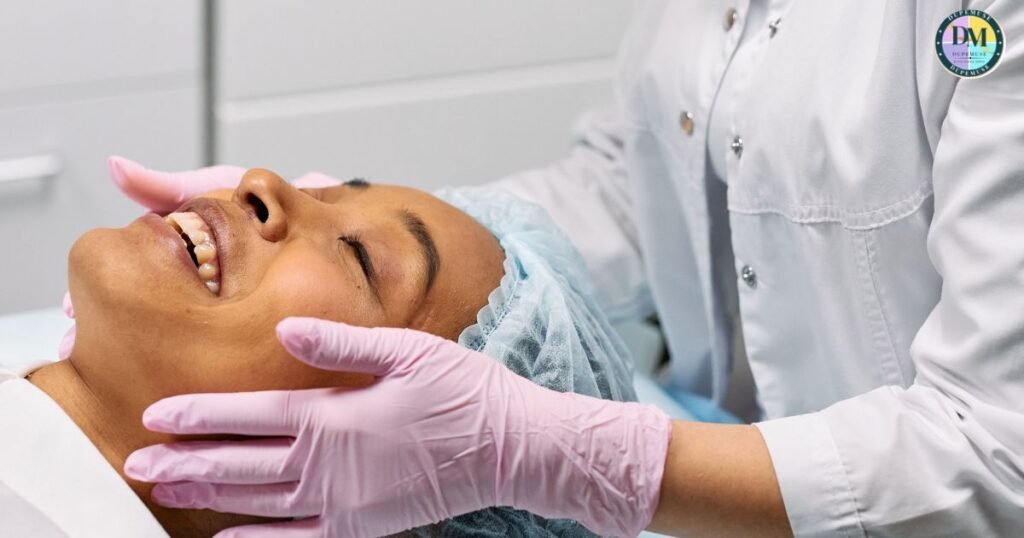
Professional procedures deliver stronger and more controlled interventions than most home products. A dermatologist or trained professional can select treatment depth, energy settings, product strength, and session timing according to your skin.
At-home care still matters enormously. Sunscreen, moisturizer, gentle cleansing, and appropriate active ingredients help maintain skin health between appointments. Professional procedures work best as part of a broader routine rather than as a substitute for one.
| Professional care | At-home care |
|---|---|
| Higher treatment intensity | Lower daily intensity |
| Professional assessment | Self-directed use |
| Often periodic | Usually consistent |
| Can target deeper concerns | Strong for maintenance |
| May involve downtime | Usually little downtime |
What to Expect Before, During, and After a Skin Treatment
Knowing the process can make an appointment feel far less mysterious. Most professional care begins with a consultation. The provider then prepares the skin, performs the procedure, and gives recovery instructions.
Your experience depends heavily on the procedure. A facial can feel relaxing. Microneedling may feel prickly. A laser can feel warm or uncomfortable. Deeper procedures may require numbing or additional medical preparation.
Before Your Appointment
Before treatment, your provider should review your medical history and current products. Tell them about prescription medicines, supplements, allergies, previous cosmetic procedures, cold sores, abnormal scarring, and active skin problems.
You should also understand preparation instructions. Some procedures require avoiding certain products or sun exposure. Others need a specific pre-treatment skincare routine.
During the Treatment
Treatment begins with preparation and cleansing. Depending on the procedure, your provider may apply numbing cream, protective eyewear, antiseptic solution, or another preparation.
The actual procedure may take minutes or much longer. Ask what sensations to expect. Knowing whether you may feel warmth, pressure, tingling, or brief discomfort can make the experience easier.
After the Treatment
Aftercare depends on how deeply the procedure affects the skin. You may experience redness, swelling, dryness, peeling, bruising, or sensitivity. These effects aren’t automatically signs that something went wrong.
Follow the provider’s instructions rather than improvising. Contact your provider if symptoms become unusually severe or continue beyond the expected recovery period.
Skin Treatment Downtime and Recovery
Downtime isn’t a single number. A superficial facial may involve no meaningful recovery while deeper resurfacing can require substantial healing. Treatment intensity, technique, body area, and individual response all affect recovery.
Before booking, ask about work, exercise, makeup, shaving, travel, swimming, and sunlight. This practical conversation matters just as much as the treatment itself. A procedure is easier to manage when its recovery fits your calendar.
Benefits of Professional Skin Treatments
Professional care can improve several visible aspects of the skin. Depending on the procedure, benefits may include smoother texture, more even tone, reduced appearance of scars, improved hydration, fewer visible fine lines, or firmer-looking skin.
The deeper benefit comes from targeted treatment. Skin resurfacing can address damaged surface layers while microneedling can encourage collagen remodeling. However, results vary. A responsible provider explains what the procedure can and cannot realistically accomplish.
Risks and Side Effects of Skin Treatments
Every procedure carries some degree of risk. Common effects include redness, swelling, peeling, tenderness, dryness, bruising, and temporary sensitivity. Stronger procedures can carry greater risks.
More serious complications can include infection, burns, scarring, pigment changes, allergic reactions, or vascular injury. Injectable fillers deserve particular caution. The FDA identifies accidental injection into a blood vessel as a rare but potentially severe complication that can cause tissue death, vision problems, or stroke.
How Much Do Skin Treatments Cost?
U.S. pricing varies widely by procedure, location, provider, treatment area, technology, and number of sessions. A low advertised price may cover only the basic procedure. Additional expenses can change the final bill.
The American Society of Plastic Surgeons reports average figures for certain resurfacing procedures, but it specifically notes that related expenses may not be included. Cosmetic procedures also generally aren’t covered by health insurance when performed for aesthetic purposes.
| Cost factor | Why it matters |
|---|---|
| Procedure type | Technologies require different equipment and expertise |
| Number of sessions | Some results require a series |
| Treatment area | Larger areas may cost more |
| Provider expertise | Experience can affect pricing |
| Location | U.S. prices vary by region |
| Facility fees | Medical settings may add separate charges |
| Maintenance | Results may require future sessions |
How Often Should You Get a Skin Treatment?
There is no universal schedule. A superficial facial might fit into regular maintenance while a deeper resurfacing treatment may require months between procedures.
Your skin needs time to recover. More frequent treatment isn’t automatically better. Excessive exfoliation or repeated irritation can damage the barrier and make some concerns more noticeable.
How to Prepare for a Professional Skin Treatment
Preparation starts with honesty. Tell your provider about medications, supplements, allergies, recent tanning, active infections, previous procedures, and any history of abnormal scars.
Follow specific instructions about skincare, sun exposure, shaving, and medication. Don’t add new strong products immediately before treatment simply because you want faster results. Skin generally responds better when you keep the pre-treatment period predictable.
How to Maintain Results After a Skin Treatment
The simplest maintenance step is often the most important: protect your skin from ultraviolet exposure. Daily broad-spectrum sunscreen helps reduce ongoing sun damage and supports long-term skin health.
Continue with gentle cleansing, moisturizing, and provider-approved active ingredients. Don’t rush back into harsh exfoliation. Your skin may look better after treatment while still needing time to rebuild its protective barrier.
How to Find a Qualified Skin Treatment Provider
Choosing a provider deserves as much attention as choosing the procedure. Search for relevant credentials, experience, appropriate medical oversight, and clear communication. A polished website isn’t proof of clinical expertise.
Ask who will actually perform the treatment. Then ask what happens if you develop a complication. Good providers don’t dodge difficult questions or promise flawless results.
Check Qualifications and Training
Credentials should match the procedure. Medical lasers, injectables, deep resurfacing, and treatments for medical skin conditions require appropriate clinical knowledge.
For dermatologic concerns, a board-certified dermatologist can assess the skin and discuss both cosmetic and medical options. Always verify credentials through appropriate U.S. professional or state resources.
Ask About Experience With Your Skin Concern
Experience with one procedure doesn’t automatically mean experience with your specific problem. Ask how often the provider treats acne scars, pigmentation, wrinkles, rosacea, or your particular concern.
Skin tone deserves special attention with energy-based treatments. Ask whether the provider regularly treats patients with a similar skin tone and how they reduce pigment-related risks.
Discuss Possible Risks
Ask about common side effects and serious complications. Also ask what the provider does if something unexpected happens.
A good consultation should feel like a two-way conversation. You shouldn’t feel pressured to purchase treatment before you understand the risks.
Ask About Before-and-After Photos Carefully
Before-and-after images can demonstrate technique but shouldn’t guarantee your result. Look for consistent lighting, angles, facial expression, and treatment areas.
Ask whether the photographs represent typical outcomes. Social-media images can be edited, filtered, or selected because they show unusually dramatic results.
Understand the Treatment Plan
Ask why the procedure was recommended. Then ask about alternatives, expected improvement, number of sessions, recovery, and maintenance.
A thoughtful plan explains the sequence. It doesn’t simply sell the most expensive procedure available.
Ask About Aftercare and Follow-Up
Before treatment, know exactly what happens afterward. Ask when you can return to work, exercise, makeup, swimming, and your normal skincare routine.
Also ask when follow-up occurs. A provider who plans to monitor your recovery is offering more than a procedure; they’re providing ongoing care.
Common Myths About Skin Treatments
Cosmetic skincare is full of dramatic claims. Some are harmless exaggerations while others can lead people toward unsafe choices. The safest approach is to separate marketing language from clinical evidence.
Professional treatment can be useful without being magical. Good results usually come from appropriate diagnosis, suitable technology, skilled technique, realistic expectations, and consistent maintenance.
Professional Treatments Are Only for Mature Skin
Younger adults may seek care for acne, scars, pigmentation, enlarged pores, or uneven texture. Mature adults may focus more on wrinkles, laxity, and sun damage.
Age alone shouldn’t determine treatment. The actual concern should guide the conversation.
More Aggressive Treatments Always Give Better Results
Stronger isn’t automatically better. Deep resurfacing may produce greater change but can also create more downtime and risk.
The ideal treatment is strong enough to address the problem without creating unnecessary harm. That balance matters.
One Treatment Works for Every Skin Type
Skin responds differently according to tone, sensitivity, condition, and medical history. Even two people with the same concern may need different treatment settings.
Personalization isn’t a luxury. It’s a safety consideration.
Professional Treatments Replace Daily Skincare
Procedures don’t stop ultraviolet exposure or eliminate the need for moisturization. Your everyday routine supports the skin between appointments.
Think of professional treatment as a targeted intervention. Think of daily skincare as ongoing maintenance.
Every Skin Treatment Requires Downtime
Many procedures have little meaningful downtime. Others require more recovery. The difference comes from treatment depth and intensity.
Ask about realistic recovery before scheduling. That way, there are fewer surprises.
Natural Treatments Are Always Safer
Natural doesn’t mean risk-free. Botanical ingredients can irritate skin or trigger allergic reactions. DIY acids and other home remedies can also cause burns or pigment changes.
Safety depends on the substance, concentration, technique, and individual skin response.
Frequently Asked Questions About Skin Treatments
Which is the best treatment for skin?
There’s no single best treatment for everyone. The right choice depends on your skin type, concern, sensitivity, and desired results.
What is the most popular skin treatment?
Facials, chemical peels, microneedling, laser treatments, and injectables are widely used. Popularity varies based on skin concerns and treatment goals.
What is the best skin treatment for older skin?
Microneedling, laser resurfacing, radiofrequency, chemical peels, and injectables may help with wrinkles, texture, and skin laxity.
What are some new treatments for skin rejuvenation?
Newer options include advanced laser procedures, radiofrequency microneedling, and energy-based skin tightening. A professional can determine which option suits your skin.
Are professional skin treatments safe?
Many procedures can be performed safely when the right patient receives the right treatment from an appropriately trained provider. However, no procedure is completely risk-free. Proper assessment, technique, equipment, and aftercare all affect safety.
Are professional skin treatments better than at-home skincare?
They serve different purposes. Professional procedures can deliver more targeted and intensive treatment. At-home skincare provides daily maintenance. For many people, the two approaches work best together.
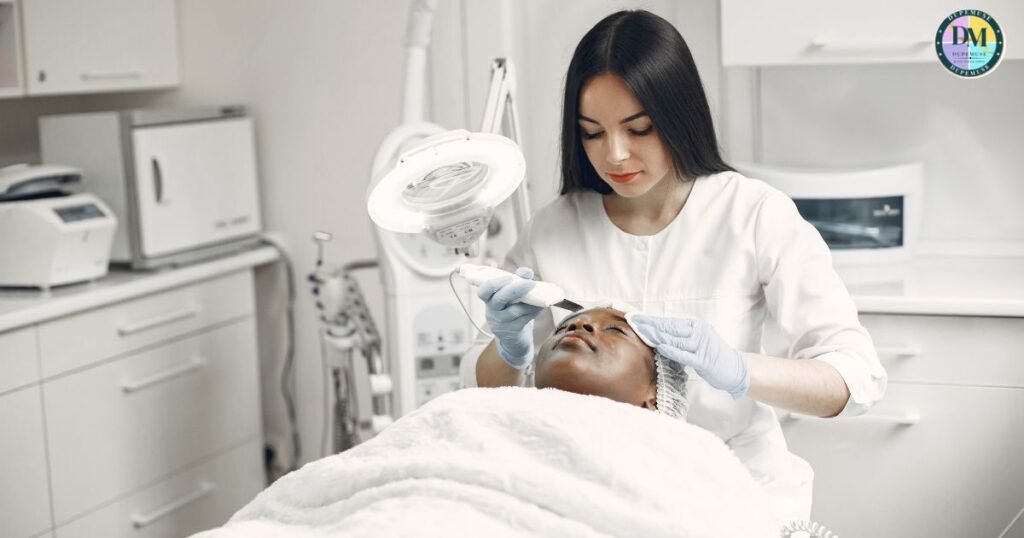
Final Thoughts on Choosing a Skin Treatment
Good cosmetic care isn’t about chasing the newest device or strongest peel. It’s about matching the procedure to the problem. A thoughtful plan considers your skin concerns, skin tone, sensitivity, medical history, budget, recovery time, and desired result.
Whether you’re researching professional skin treatments for wrinkles, acne scars, pigmentation, dryness, or texture, start with a qualified assessment. Ask direct questions. Understand the risks. Give your skin time to recover. Most importantly, remember that lasting skin rejuvenation comes from combining appropriate professional care with consistent daily protection and realistic expectations.
How to Apply Concealer for a Flawless Base – DupeMuse
How to Apply Foundation: Brush, Fingers or Sponge? – DupeMuse
Meta description
Explore types of skin treatments, their benefits, costs, risks, and recovery to find the right option for your skin concerns.