Choosing between a cleanser and a face wash can be confusing, especially when both products are designed to remove dirt, oil, and impurities from your skin. While they may seem interchangeable, each one works differently and can suit different skin types and skincare needs. A cleanser is generally designed to gently clean the skin while helping maintain its natural moisture, whereas a face wash often provides a deeper cleansing experience and may be better suited to oily skin or clogged pores. Understanding the difference can help you build an effective skincare routine without causing unnecessary dryness or irritation. In this guide, we’ll explore how cleansers and face washes work and which option may suit your skin.
What Is a Cleanser and What Does It Do for Your Skin?
A cleanser is a skincare product designed to remove unwanted material from the surface of your face. Depending on its formula, it can lift natural oils, excess oil, cosmetics, sunscreen, sweat, and environmental particles. A good face cleanser should clean effectively without leaving persistent tightness, burning, or discomfort.
Think of cleansing like washing a delicate silk shirt. You want to remove dirt without rough handling that damages the fabric. Your skin deserves the same approach. Effective facial skincare depends not only on what you apply afterward but also on how you prepare the skin beforehand.
What Does a Facial Cleanser Remove?
A facial cleanser can remove sweat, excess sebum, makeup, sunscreen residue, airborne particles, and other surface buildup. Some formulas also contain ingredients designed to loosen dead skin cells or help manage clogged pores. However, cleansing shouldn’t aim to remove every trace of oil.
Your face naturally produces oils that help support comfort and skin moisture. Removing too much can leave the surface dry and uncomfortable. That is why gentle cleansing usually makes more sense than chasing the strongest possible “deep clean.”
Why Is Cleansing Important for Your Skin?
Cleansing gives your skincare routine a clean starting point. During the day, your face can collect sweat, cosmetics, sunscreen, dust, pollution, and other particles. At night, removing that buildup can make your routine more comfortable and practical.
The AAD recommends washing your face when you wake up, before bed, and after heavy sweating. It also recommends using your fingertips instead of abrasive tools and avoiding vigorous scrubbing.
Can a Cleanser Help Keep Pores Clear?
A suitable cleanser can help remove surface oil and material that may contribute to clogged pores. Yet no cleanser can physically erase pores or permanently shrink them. Pores are normal openings connected to hair follicles and oil glands.
For acne-prone skin, a cleanser labeled non-comedogenic or “won’t clog pores” may be useful. The AAD recommends mild cleansing and looking for labels such as oil-free or non-comedogenic when choosing products for acne-prone skin.
Does Cleansing Affect Your Skin Barrier?
Yes. Your skin barrier helps reduce water loss and protects the surface from everyday environmental stress. Repeated harsh washing can interfere with comfort and contribute to dryness or irritation.
That doesn’t mean cleansing damages your skin by default. The bigger issue is technique and formulation. A mild product, short cleansing session, and lukewarm water are usually gentler choices than hot water, abrasive scrubbing, or repeated washing.
Cleanser and Face Wash: Are They Actually Different?
The cleanser vs face wash debate is partly a naming problem. In everyday skincare language, “cleanser,” “face wash,” and “facial wash” often overlap. Brands may use these words to describe different textures, but there isn’t one universal rule that makes every cleanser fundamentally different from every face wash.
So, what is the difference between cleanser and face wash? Usually, texture and formulation tell you more than the name printed on the bottle. A creamy product may be marketed as a cleanser, while a foaming gel may be called a face wash. Both can perform the basic job of cleaning your face.
What Is a Facial Cleanser?
A facial cleanser is a broad term for a product made to cleanse facial skin. It can describe cream, milk, balm, oil, gel, or other cleansing formulas. The goal remains similar: remove unwanted surface material while respecting your skin’s needs.
This means a cleanser doesn’t have to create foam or suds to work. Some excellent cleansing products barely foam at all. Their performance depends on their ingredients, cleansing agents, oils, emulsifiers, and overall formulation.
What Is a Face Wash?
A face wash usually describes a rinse-off cleansing product with a lighter texture. Many face washes use gel or foaming formulas and create visible lather when mixed with water.
However, the phrase isn’t a strict technical category. One company’s “face wash” may behave almost exactly like another company’s “facial cleanser.” That’s why reading the product directions and ingredient list matters more than relying on the front label.
Cleanser and facewashes are much important for your skin to remove dust and other jerms.
Cleanser vs. Face Wash: Key Differences
When comparing face cleanser and face wash, focus on the experience and formula rather than the marketing language.
| Feature | Cleanser | Face Wash |
|---|---|---|
| Typical texture | Cream, milk, balm, oil, gel | Gel, liquid, or foam |
| Lather | May have little or none | Often creates foam or suds |
| Common use | Gentle everyday cleansing | Everyday rinse-off cleansing |
| Dry skin | Cream and milk formulas may suit it | Some formulas may feel drying |
| Oily skin | Gel or oil-control formulas may work | Gel and foam formulas are common |
| Consideración principal | Formula and skin needs | Formula and skin needs |
In other words, asking “which is better face wash or cleanser?” doesn’t have one universal answer. The better option is the product that cleans your face without causing unnecessary dryness or irritation.
Can You Use a Cleanser and Face Wash Together?
You can use two cleansing products in some situations. This approach is commonly called double cleansing. A typical routine begins with an oil-based cleanser or cleansing oil to loosen makeup and sunscreen, followed by a water-based cleanser.
However, double cleansing isn’t automatically necessary every night. If one gentle cleanser removes what you need comfortably, adding another step may provide little benefit. More products aren’t always better facial skincare.
Top Pick 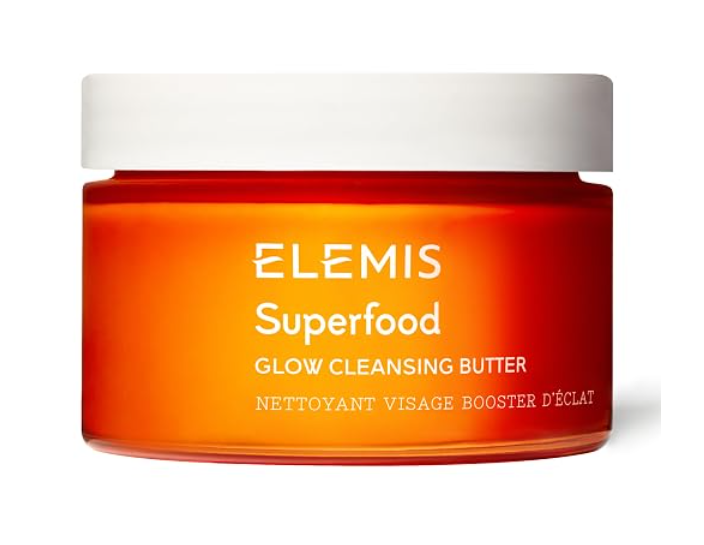 Shop Now |
Top pick 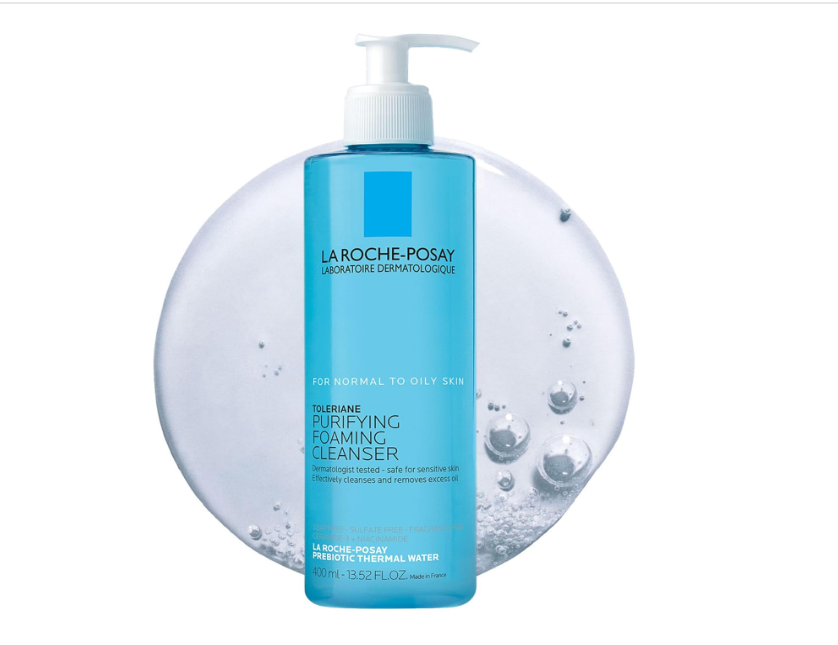 Shop now |
TOP PICK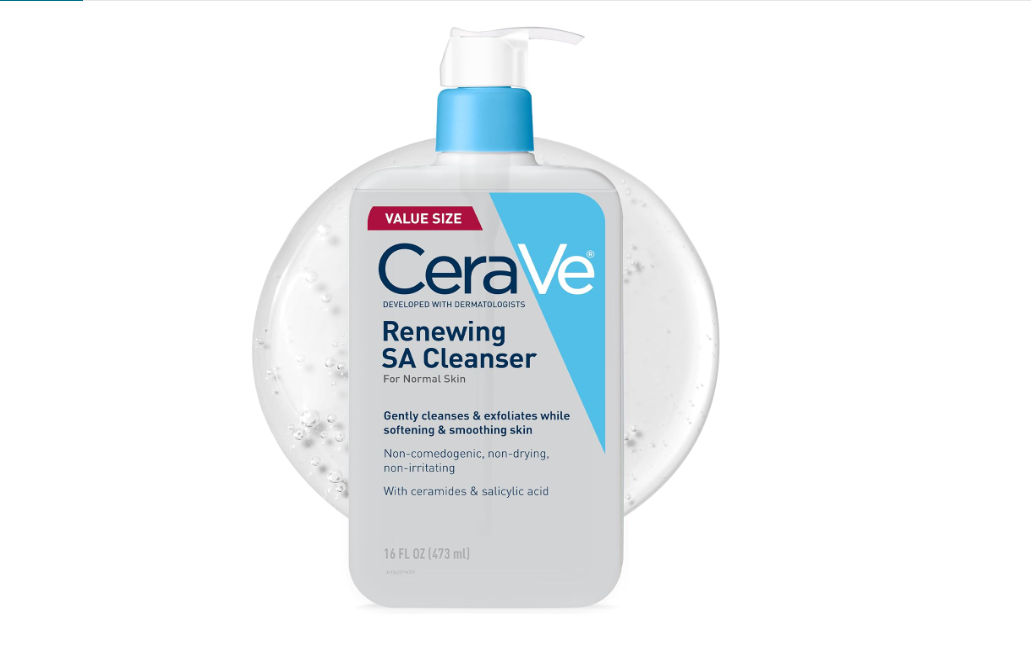 Shop now |
How to Choose the Right Cleanser for Your Skin Type
Your skin type provides a useful starting point when choosing cleansing products. Oily skin often behaves differently from dry skin, while sensitive skin may react to ingredients that others tolerate easily. Combination skin adds another wrinkle because different areas can have different needs.
Still, skin type isn’t the whole story. Weather, age, medications, shaving, hormones, cosmetics, and existing skincare concerns can influence how your skin behaves. A cleanser that works in humid summer weather may feel different during a dry winter.
Cleanser for Dry Skin
People with dry skin often benefit from a gentle, cream-based, milk, or hydrating formula. A hydrating cleanser can remove surface buildup while providing a more comfortable cleansing experience.
Look for ingredients associated with moisture support, such as glycerin and ceramides. Avoid assuming that a strong lather means better cleaning. If your face repeatedly feels uncomfortable after washing, your cleansing formula may be too aggressive for your needs.
Cleanser for Oily or Acne-Prone Skin
Oily skin produces more sebum, which can leave the face shiny and contribute to congestion. A lightweight gel or mild foaming cleanser may feel comfortable for this skin type.
For acne-prone skin, consider non-comedogenic products and avoid aggressive scrubbing. Some cleansing formulas contain salicylic acid, which can help exfoliate inside oily areas. Yet stronger isn’t automatically better. Excessive cleansing can still cause irritation.
Cleanser for Sensitive Skin
Sensitive skin needs a cautious approach. Start with a gentle cleanser that has a simple formula and consider fragrance-free options when fragrance seems to trigger discomfort.
One important U.S. labeling detail is worth knowing. The FDA says terms such as “hypoallergenic,” “fragrance-free,” and “for sensitive skin” don’t have a federal standard definition. Reading the actual ingredient declaration remains important.
Cleanser for Normal Skin
Normal skin generally doesn’t require an elaborate cleansing strategy. A mild cleanser that removes daily buildup while leaving the skin comfortable can be enough.
The temptation here is to experiment endlessly because the skin appears balanced. Resist that urge. A straightforward daily cleansing routine often makes more sense than constantly changing products.
Cleanser for Combination Skin
Combination skin usually has both oily and drier areas. The forehead, nose, and chin may become shiny while the cheeks feel normal or dry.
A balanced gel cleanser can work well for some people. Others may prefer a mild cream formula. The best choice depends on how your entire face feels after cleansing rather than how one small area behaves.
Different Types of Facial Cleansers Explained
Different cleanser textures solve slightly different practical problems. A gel may feel refreshing on oily skin, while a cream formula can feel more comfortable on dry skin. An oil cleanser may excel at makeup removal, while micellar water offers convenience.
Texture alone doesn’t determine whether a product is good. Two gel cleansers can behave completely differently because their surfactants, humectants, preservatives, fragrance, and active ingredients differ. Always judge the complete cleansing formula.
Foam Cleansers
Foam cleansers create visible lather and often give the face a fresh, light feeling. They can be appealing to people who dislike creamy textures.
However, not every foaming formula suits every skin type. A gentle foam can work beautifully, while a harsh formula may leave tight skin after cleansing.
Gel Cleansers
A gel cleanser usually has a lightweight texture and often rinses easily. It can suit oily skin, combination skin, or anyone who prefers a fresh cleansing sensation.
Some gel formulas contain exfoliating or acne-focused ingredients. If your skin is sensitive, check the ingredient list rather than assuming every gel cleanser will feel gentle.
Cream Cleansers
A cream cleanser typically feels richer and more cushiony than a gel. It may suit people who experience dryness or discomfort during cleansing.
Cream-based formulas can be useful when maintaining skin moisture balance is a priority. They may also feel pleasant during colder months when indoor heating and dry air increase skin discomfort.
Oil Cleansers
An oil-based cleanser uses oils and emulsifiers to help loosen oil-soluble substances. This makes cleansing oil useful for removing makeup, sunscreen, and long-wearing cosmetics.
Oil cleansing doesn’t mean you are adding permanent oil to your face. When an emulsifying formula is rinsed correctly, it can transform into a milky mixture that washes away more easily.
Cleansing Balms
Cleansing balms begin with a thicker, often waxy texture and melt as they warm against the waterproof makeup, or water-resistant sunscreen. However, people with sensitive eyes should avoid rubbing aggressively around skin. Many are designed for makeup removal and first-step cleansing.
They’re particularly convenient for people who wear foundation, waterproof makeup, or water-resistant sunscreen. However, people with sensitive eyes should avoid rubbing aggressively around the eye area.
Milk Cleansers
Milk cleansers have a soft, fluid texture and are often designed around a gentle cleansing experience. They can work well for people who dislike strong lather.
They’re especially worth considering when the main goal is removing everyday buildup while keeping the cleansing step comfortable. Again, the actual formula matters more than the product name.
Micellar Water
Micellar water contains cleansing molecules that form structures called micelles. These can help lift oils and particles from the skin’s surface.
Micellar water can be convenient for light makeup removal or travel. However, whether you should rinse afterward depends on the product and your skin’s response. Follow the manufacturer’s directions.
Exfoliating and Acid Cleansers
Exfoliating cleansers may contain ingredients such as salicylic acid or alpha hydroxy acids. These products can offer cleansing plus exfoliation in one step.
The catch is simple: exfoliation is not the same thing as cleanliness. Using an exfoliating cleanser too frequently can increase irritation. Start cautiously and follow the product directions.
Foam Cleanser: Benefits, Drawbacks, and Who Should Use It
A foam cleanser has one obvious attraction: it feels clean and refreshing. That sensory experience can be satisfying, especially after sweating or wearing sunscreen throughout the day.
Yet the amount of foam isn’t a measurement of cleaning power. A product can create dramatic suds and still be poorly suited to your skin. Conversely, a low-foam cleanser can clean effectively.
What Is a Foam Cleanser?
A foam cleanser is a rinse-off product that creates bubbles when mixed with water. The bubbles usually come from surfactants and the formula’s physical structure.
Some products foam before application, while others become foamy when you rub them between wet hands. Both approaches can work.
What Are the Benefits of a Foam Cleanser?
Foaming products often rinse quickly and leave little residue. That can make them attractive for people who prefer a lightweight cleansing experience.
They can also be convenient after workouts or during humid weather. However, comfort after cleansing matters more than the sensation of squeaky cleanliness.
Is a Foam Cleanser Good for Oily Skin?
It can be. A well-formulated foam may remove excess oil without creating excessive dryness.
The important word is “well-formulated.” If your face becomes uncomfortable, flaky, or persistently tight afterward, the product may be too aggressive for your particular skin.
Is Foam Cleanser Good for Combination Skin?
It can suit combination skin when the formula provides enough cleansing for oily areas without stripping the cheeks.
Try paying attention to your whole face. If your T-zone feels clean but your cheeks feel dry, the formula may need changing rather than increasing the number of washes.
Can a Foam Cleanser Dry Out Your Skin?
Yes, some formulas can contribute to dryness. The result depends on the surfactants, formula, cleansing frequency, water temperature, and your individual skin.
The AAD advises using a gentle, non-abrasive cleanser and limiting facial washing to twice daily and after heavy sweating.
What Ingredients Should You Look for in a Foam Cleanser?
Look for a balanced formula rather than one impressive ingredient. Humectants such as glycerin can support a more comfortable feel, while gentle cleansing agents can remove buildup without excessive stripping.
If you have sensitive skin, you may also want to avoid unnecessary fragrance or ingredients that you already know cause reactions. Ingredient tolerance varies considerably between people.
Foam Cleanser vs. Cream Cleanser
The choice often comes down to skin needs and personal preference.
| Skin need | Foam cleanser | Cream cleanser |
|---|---|---|
| Oily skin | Often comfortable | May feel richer |
| Dry skin | Depends on formula | Often comfortable |
| Sensitive skin | Choose carefully | Often useful |
| Heavy makeup | Usually not first choice | Depends on formula |
| Lightweight feel | Strong advantage | Less lightweight |
| Rich cleansing feel | Moderate | Stronger |
Neither format automatically wins. The right product is the one that cleans effectively while keeping your skin comfortable.
Cream Cleanser: A Gentle Option for Dry and Sensitive Skin
A cream cleanser can be a useful choice when cleansing leaves your face feeling dry or uncomfortable. Its richer texture can make the process feel less harsh than some high-foam products.
This doesn’t mean every cream cleanser suits everyone. People with very oily skin may prefer a lighter texture, while some combination-skin users may enjoy a cream formula during colder months.
What Is a Cream Cleanser?
A cream cleanser is a facial cleansing product with a creamy or lotion-like texture. Depending on the formula, it may contain water, emollients, oils, humectants, surfactants, and other conditioning ingredients.
Its texture can make cleansing feel more cushioned. That can be especially helpful for people who dislike the stripped feeling associated with some foaming products.
How Does a Cream Cleanser Work?
Cream cleansers combine cleansing ingredients with a richer base. The cleansing agents help loosen unwanted material while other components can improve the product’s feel.
Some formulas rinse completely with water. Others are designed to be wiped away. Always follow the specific product directions instead of assuming every cream cleanser works identically.
Who Should Use a Cream Cleanser?
People with dry skin, easily irritated skin, or a preference for low-foam products may enjoy cream cleansers.
They can also be useful when cold weather or indoor heating makes the skin feel less comfortable. However, skin type should guide the decision rather than dictate it.
Is a Cream Cleanser Good for Dry Skin?
Often, yes. A gentle cream cleanser can support a routine focused on preserving comfort and hydrated skin.
The goal isn’t to add heavy moisture through cleansing. Instead, the goal is to remove unwanted material without unnecessarily disturbing the skin’s existing moisture.
Can You Use a Cream Cleanser on Sensitive Skin?
Yes, provided your skin tolerates the specific formula. Choose carefully and avoid vigorous rubbing.
If a product causes burning, persistent redness, or significant discomfort, stop using it. A “gentle” claim on a label doesn’t guarantee that every person will tolerate every ingredient.
Cream Cleanser vs. Foam Cleanser
Cream cleansers often feel richer, while foam cleansers tend to feel lighter. People with dry skin may prefer the former, while people with oily skin may prefer the latter.
Still, this isn’t a strict rule. The same skin type can respond differently to two products within the same category.
What Is the Best Cleanser for Combination Skin?
The best cleanser for combination skin usually sits somewhere between aggressive oil removal and heavy moisturization. You want enough cleansing for the oilier areas without leaving the drier zones uncomfortable.
That balance can take some experimentation. A mild gel may work in warm weather, while a cream cleanser might feel better during winter. Your routine can change with your environment without becoming complicated.
What Does Combination Skin Look Like?
Combination skin commonly has an oilier T-zone and comparatively drier cheeks. You may notice shine around your forehead and nose while the outer face feels comfortable or slightly dry.
This pattern isn’t always identical. Some people have a mildly oily T-zone, while others experience substantial differences between facial areas.
Why Is Combination Skin Difficult to Cleanse?
The challenge comes from having competing needs. Strong cleansing may suit the oily center of your face but leave your cheeks uncomfortable.
That’s why “deep clean” isn’t always the best goal. Balanced cleansing can be more useful than trying to make every part of your face feel completely oil-free.
What Should You Look for in a Combination Skin Cleanser?
Look for a formula that cleans without leaving obvious dryness. A lightweight water-based formula can be a useful starting point.
If you also experience sensitivity, consider a fragrance-free option. If congestion is a concern, a non-comedogenic formula may be worth considering.
Is a Foam or Gel Cleanser Better for Combination Skin?
Both can work. A mild gel cleanser may provide a fresh finish without feeling excessively strong, while a gentle foam can work for people who prefer lather.
Don’t choose based on texture alone. Judge the product by what your face feels like several minutes after rinsing.
Is a Cream Cleanser Suitable for Combination Skin?
It can be. A cream cleanser may be especially comfortable when the cheeks become dry while the T-zone remains oily.
If the product feels Some people may also benefit from carefully formulated salicy excessively rich or leaves residue, however, another texture may work better. Combination skin often rewards flexibility.
Cleanser for Combination Skin: Ingredients to Consider
Ingredients such as glycerin and ceramides can support a comfortable routine. Some people may also benefit from carefully formulated salicylic acid products when congestion is a concern.
The key is moderation. Combining an exfoliating cleanser with multiple strong leave-on products can increase the chance of irritation.
How Often Should You Cleanse Combination Skin?
The AAD generally recommends washing the face twice daily and after heavy sweating. People with dry or sensitive skin may find that cleansing once daily in the evening is sufficient.
For combination skin, consistency matters more than repeatedly washing oily areas. If your face becomes tight or uncomfortable, reassess the cleanser and frequency rather than simply adding more washes.
Cleanser ingredients
Learning about skincare ingredients helps you shop with more confidence. Instead of choosing a product because its packaging promises a “deep clean,” look at what the formula is designed to do.
In the United States, cosmetic ingredients generally don’t need FDA premarket approval, with specific exceptions such as color additives. Companies remain legally responsible for product safety, and cosmetic labels must follow federal requirements.
Hydrating Ingredients
Glycerin is a common humectant that helps attract and retain water. Ceramides are lipid components associated with the skin’s protective barrier. Hyaluronic acid is another well-known humectant used in many hydrating cleanser formulas.
Because cleansers are rinsed away, don’t expect them to behave exactly like leave-on moisturizers. Their main job remains cleansing.
Ingredients for Oily and Combination Skin
Salicylic acid is commonly used in products designed for oily or blemish-prone skin. It can help exfoliate and is particularly associated with products targeting congestion.
However, active ingredients can increase comfortable after rinsing is often a better practical choice than one that simply dryness or irritation for some users. Introduce them carefully, especially if your routine already contains other exfoliating products.
Ingredients for Gentle Cleansing
Gentle cleansing depends on the entire formula rather than one magic ingredient. Surfactants remove oils and particles, while other ingredients can influence how the product feels.
A cleanser that leaves your face comfortable after rinsing is often a better practical choice than one that simply produces more lather.
Ingredients You May Want to Avoid if Your Skin Is Sensitive
If your skin reacts easily, you may want to avoid ingredients you already know trigger symptoms. Added fragrance is one consideration, particularly for people who notice sensitivity around fragranced skincare.
The FDA notes that “hypoallergenic” and similar marketing terms don’t have a federally defined standard. Ingredient lists therefore deserve more attention than promotional language.
How to Read a Cleanser Ingredient List
U.S. retail cosmetics generally must declare ingredients, and those ingredients are generally listed in descending order of predominance, subject to specific rules.
A useful approach is to read the label from the beginning, identify the major cleansing and conditioning components, then look for active ingredients, fragrance, and ingredients you personally know you don’t tolerate. Don’t judge a product solely by one “hero” ingredient.
How to Use a Cleanser Correctly
Even a good product can perform poorly when you use it incorrectly. How to use face cleanser is therefore just as important as choosing the bottle.
For most traditional water-based products, start by wetting your face with lukewarm water. Apply the recommended amount with your fingertips, gently massage into skin, then rinse with water and pat your face dry. The AAD specifically advises against scrubbing with washcloths or abrasive tools.
How Much Cleanser Should You Use?
Use the amount recommended on the product label. More cleanser doesn’t automatically mean a better clean.
Using too much can make rinsing harder and may increase exposure to ingredients that your skin doesn’t need in large amounts.
Should You Apply Cleanser to Wet or Dry Skin?
Most traditional water-based cleansers are applied to wet skin. Some oil cleansers and balms are designed to begin on dry skin.
Always check the product instructions. The right technique depends on the formula.
How Long Should You Massage a Cleanser?
Keep the process gentle and brief. You don’t need to scrub for several minutes to achieve a deep clean.
Longer contact isn’t automatically better. If the product contains exfoliating acids or other active ingredients, excessive massage may increase irritation.
What Temperature Should the Water Be?
Use lukewarm water rather than very hot water. The AAD specifically recommends lukewarm water for facial washing.
Hot water can feel relaxing, especially on a cold morning, but your face isn’t a dinner plate that needs steaming. Gentle temperatures are usually the smarter choice.
Should You Cleanse in the Morning and at Night?
For many people, morning and evening cleansing works well. The AAD recommends washing in the morning, before bed, and after heavy sweating.
However, people with dry or sensitive skin may find once-daily evening cleansing sufficient. If twice-daily washing causes discomfort, your skin may benefit from a gentler approach.
When Should You Double Cleanse?
Double cleansing can be useful when you wear substantial makeup, water-resistant sunscreen, or other products that are difficult to remove with one step.
A common sequence uses an oil-based cleanser first, followed by a water-based cleanser. But if one cleanser removes your products comfortably, you don’t have to add another step simply because it is popular online.
What Should You Apply After Cleansing?
After cleansing, apply the products your skin needs. A basic sequence can be cleanser, treatment product if appropriate, moisturizer, and sunscreen during the day.
Moisturizer can help support skin hydration, especially when your skin feels dry. Sunscreen belongs in the morning routine because cleansing alone doesn’t protect skin from ultraviolet exposure.
Common Cleansing Mistakes That Can Irritate Your Skin
Many cleansing problems come from doing too much rather than too little. People often assume that more foam, longer rubbing, hotter water, and more frequent washing must equal better results.
In reality, the AAD advises gentle cleansing and specifically warns against scrubbing because it can irritate skin and worsen conditions such as acne.
Cleansing Too Often
Washing repeatedly throughout the day can leave some people with dryness and discomfort. For most people, the AAD recommends limiting washing to twice daily and after heavy sweating.
If your face becomes uncomfortable after frequent washing, don’t automatically buy a stronger moisturizer and keep washing. First examine the cleansing routine itself.
Using Water That Is Too Hot
Hot water can feel pleasant, but it isn’t necessary for effective cleansing. Lukewarm water provides a gentler option.
If your face frequently feels dry after washing, water temperature is one simple factor worth changing.
Scrubbing Your Face Too Hard
Scrubbing doesn’t magically pull dirt from deep inside your pores. Instead, excessive friction can irritate the skin surface.
Use your fingertips and gentle movements. Your face isn’t a countertop.
Choosing a Cleanser That Leaves Your Skin Tight
Persistent tightness after washing can be a useful warning sign. It may suggest that the cleanser, frequency, water temperature, or overall routine isn’t agreeing with your skin.
A clean face should not have to feel uncomfortable. If your skin feels consistently tight, reassess your cleanser.
Using Strong Exfoliating Cleansers Too Frequently
Exfoliating cleansers can be useful for selected skincare concerns, but frequent use may become counterproductive.
This is especially important if you already use leave-on acids, retinoids, or other potentially irritating products. Your complete routine matters more than any single cleanser.
Ignoring Your Skin Type
Choosing a cleanser simply because someone online loves it can be a mistake. Their skin type, climate, age, routine, and tolerance may differ from yours.
Use recommendations as ideas rather than rules. Your own skin response is valuable information.
Changing Cleansers Too Often
Constantly switching products makes it difficult to identify what actually works. It also introduces multiple variables at once.
Unless a product causes clear problems, give your routine enough consistency to evaluate comfort sunscreen, focus on effective removal. If you have persistent acne, redness, burning, or another ongoing skin concern, a dermatologist can and performance. Skincare is rarely improved by chasing every new bottle.
Cleanser and Facial Cleansing: A Simple Decision Guide
The easiest way to choose a cleanser is to begin with the problem you are trying to solve. If your skin feels dry, prioritize comfort. If it becomes oily quickly, look for a formula that removes excess oil without leaving tightness.
If you wear heavy makeup or water-resistant sunscreen, focus on effective removal. If you have persistent acne, redness, burning, or another ongoing skin concern, a dermatologist can help you choose a more targeted approach.
| Your main concern | A practical starting point |
|---|---|
| Dryness | Gentle cream or milk cleanser |
| Oiliness | Mild gel or foam cleanser |
| Sensitivity | Simple fragrance-conscious gentle cleanser |
| Combination skin | Balanced gel or mild cream cleanser |
| Makeup removal | Cleansing oil or balm |
| Clogged pores | Gentle cleanser with suitable active ingredients |
| Easily irritated skin | Minimal, gentle formula |
The important lesson is that facial cleansing doesn’t have to be complicated. Start with your skin’s behavior, choose a suitable formula, and adjust only when there is a clear reason.
Cleanser and Facial Cleansing: A Practical U.S. Shopping Guide
Shopping for beauty products in the United States can feel overwhelming because packaging often makes ambitious promises. A cleanser might advertise “deep cleansing,” “pore detox,” “clinical strength,” or “dermatologist tested.” Those phrases can misleading. It also notes that products marketed with disease-treatment or certain structure/function claims may fall under drug regulation rather than being sound impressive, but they don’t tell you everything about the formula.
The FDA explains that cosmetic labels and claims must be truthful and not misleading. It also notes that products marketed with disease-treatment or certain structure/function claims may fall under drug regulation rather than being treated simply as cosmetics.
| Before buying | What to consider |
|---|---|
| Product name | Don’t rely on “cleanser” or “face wash” alone |
| Skin needs | Match the formula to dryness, oiliness, sensitivity, or congestion |
| Ingredient list | Look beyond front-label marketing |
| Fragrance | Consider avoiding it if you know fragrance irritates you |
| Acne concerns | Consider non-comedogenic or oil-free options |
| Active ingredients | Avoid stacking too many irritating products |
| Directions | Follow the manufacturer’s recommended use |
| Your response | Stop or reassess if significant irritation develops |
A smart purchase doesn’t necessarily require the most expensive bottle. In many cases, a simple product that you can use consistently is more useful than a complicated formula packed with trendy ingredients.
Case Study: How the Right Cleanser Can Change a Routine
Consider Maya, who has combination skin and regularly wears foundation and sunscreen. She uses a strong foaming face wash twice every evening because she wants a “deep clean.” Her cheeks begin feeling tight while her forehead remains oily.
Instead of increasing the cleansing power, she changes the strategy. She uses a cleansing balm to loosen makeup and sunscreen, followed by a mild water-based cleanser. She reduces unnecessary scrubbing and uses lukewarm water. Her routine becomes simpler rather than stronger.
The lesson isn’t that every person with combination skin needs a balm. The useful principle is broader: when cleansing creates dryness, the answer isn’t always more cleansing. Sometimes the better solution is gentler technique, fewer cleansing steps, or a different formula.
Cleanser and Facial Cleansing: What Dermatology Guidance Suggests
The strongest practical theme from dermatology guidance is consistency with gentle technique. The AAD recommends a mild, non-abrasive cleanser, lukewarm water, fingertip application, gentle rinsing, and limited washing.
The same organization advises against aggressive scrubbing because it can irritate skin and worsen certain conditions, including acne. It also recommends washing after heavy sweating and removing makeup before bed.
“More is not more” when it comes to skincare, and consistency can matter more than an elaborate routine.
That principle applies beautifully to cleansing. You don’t need a complicated ritual to cleanse your face effectively. You need the right product, reasonable frequency universal rule saying every face wash is stronger or every cleanser is gentler. The formulation matters more than the, gentle technique, and a routine your skin can tolerate.
Frequently Asked Questions About Cleanser and Facial Cleansing
What Is the Difference Between Face Wash and Face Cleanser?
The difference between face wash and face cleanser is often smaller than product packaging suggests. “Cleanser” is a broad term, while “face wash” commonly describes a rinse-off product, often with a gel or foaming texture.
There isn’t a universal rule saying every face wash is stronger or every cleanser is gentler. The formulation matters more than the name.
Is Face Wash the Same as Cleanser?
Usually, they serve the same basic purpose: cleaning facial skin. However, their texture and ingredients can differ.
A creamy facial cleanser, gel wash, and foaming face wash may all remove dirt and oil while providing very different experiences.
Which Is Better, Face Wash or Cleanser?
Neither is universally better. The right choice depends on your skin type, cleansing needs, product formula, and personal tolerance.
For dry skin, a cream or milk formula may feel better. For oily or combination skin, a mild gel or foam may be more appealing.
What Is the Best Cleanser for Dry Skin?
The best cleanser for dry skin is generally one that removes daily buildup without leaving the face persistently tight or uncomfortable.
Look for a gentle formula and consider hydrating ingredients such as glycerin. Cream, milk, or lotion-like textures may be comfortable choices.
What Is the Best Face Wash for Acne-Prone Skin?
The best face wash for acne-prone skin depends on your individual needs. A mild, non-comedogenic cleanser may provide a good foundation.
Some products contain salicylic acid, which can be useful for oily or congested friction, using lukewarm water, cleansing less often if appropriate, or switching to a gentler formula skin. Persistent or severe acne deserves professional evaluation rather than increasingly aggressive cleansing.
Is Face Wash Good for Oily Skin?
A face wash can work well for oily skin when it removes excess oil without causing excessive dryness.
If your skin becomes tight immediately after washing and then feels uncomfortable, consider a gentler formula rather than simply washing more often.
Does Face Wash Dry Out Skin?
Some formulas can. The result depends on the ingredients, frequency of use, water temperature, and your skin.
If you repeatedly experience dryness after cleansing, try reducing friction, using lukewarm water, cleansing less often if appropriate, or switching to a gentler formula.
Why Does My Face Feel Tight After Washing?
Why does my face feel tight after washing? Common possibilities include an overly aggressive cleanser, excessive washing, hot water, or an already dry skin barrier.
Persistent tightness isn’t something you need to accept as proof that. The AAD recommends this general approach while noting that people with dry or sensitive skin may sometimes need less your face is exceptionally clean.
How Often Should You Wash Your Face?
For many people, twice daily and after heavy sweating is a reasonable routine. The AAD recommends this general approach while noting that people with dry or sensitive skin may sometimes need less frequent cleansing.
Can You Use Cleanser Twice a Day?
Yes, many people can. Morning and evening cleansing can fit well into a normal skincare routine.
However, if twice-daily cleansing creates persistent dryness or irritation, consider whether your product or frequency needs adjustment.
Can You Use Face Wash Every Day?
Yes. A gentle face wash can be part of daily cleansing when your skin tolerates it.
The key is choosing an appropriate formula and avoiding the idea that you must scrub harder or wash more frequently to achieve better results.
How to Use Face Cleanser Correctly?
Start by following the product directions. For many cleansers, wet your face with lukewarm water, apply the product with your fingertips, gently massage into skin, rinse thoroughly, and pat dry.
Avoid aggressive scrubbing. The AAD specifically recommends this gentle approach.
How to Use Face Wash Correctly?
For a traditional less about chasing a squeaky-clean feeling and more about finding balance. Your cleanser shouldAD and FDA guidance, with citations placed beside the claims they support. I’ve also kept the keyword usage natural rinse-off face wash, wet your face, apply a suitable amount, gently massage it over the skin, rinse with lukewarm water, and pat dry.
Don’t use excessive pressure. A clean face doesn’t require vigorous treatment.
Should You Use Cleanser or Face Wash?
If you’re wondering should you use cleanser or face wash, choose based on your skin and the formula rather than the label.
A gentle cleanser may be ideal for dry or sensitive skin, while a mild gel or foaming face wash may feel better for oily or combination skin. Neither category is automatically superior.
Final Takeaway: Choose a Cleanser That Cleans Without Overdoing It
Good facial cleansing is less about chasing a squeaky-clean feeling and more about finding balance. Your cleanser should remove sweat, makeup, sunscreen, excess oil, and everyday debris without unnecessarily disrupting comfort or skin moisture balance.
When choosing a product, start with your skin type, then consider texture, ingredients, cleansing frequency, and your existing skincare routine. A gentle cleanser may serve dry or sensitive skin well, while a suitable gel or foam can work for oily or combination skin. An oil or balm can make makeup removal easier when used appropriately.
Most importantly, don’t confuse intensity with effectiveness. The strongest deep-cleaning face wash isn’t automatically the best product. Your face doesn’t need a battle every morning and night.
A better approach is simple: choose thoughtfully, cleanse gently, use lukewarm water, moisturize when needed, and pay attention to how your skin responds. That’s the foundation of effective facial skincare—and it leaves you with a routine that is easier to maintain, not harder.
How to Apply Foundation: Guide for a Flawless, Natural Look – DupeMuse
25 Fashion Savings Tips for Stylish Budget shopping – DupeMuse
Hair Color Level chart: Complete Best Tone Guide – DupeMuse
Black Jeans Baggy: Guide & Best Brands in USA – DupeMuse
BestShoesEverShop Spring Catalog: Best Guide and Top Brands – DupeMuse