What are skin treatments?
Skin treatments are professional procedures and skincare methods designed to improve your skin’s health, texture, and appearance. They can help address common concerns such as acne, acne scars, wrinkles, dark spots, uneven skin tone, and sagging skin. Since your skin is your body’s largest organ, the right treatment can support its natural protective barrier while helping you achieve a smoother, healthier-looking complexion.
Beyond physical benefits, skin treatments can also boost confidence and help you feel more comfortable in your own skin. Popular options include chemical peels, laser skin resurfacing, microdermabrasion, Botox®, and dermal fillers. The best choice depends on your skin type, specific concerns, and desired results.
A qualified dermatologist can help you choose a safe, effective treatment that suits your needs and delivers realistic, long-term benefits.
Types of Skin Treatments
- Facials for Skin Health
- Acne Treatments for Clear Skin
- Microdermabrasion for Skin Smoothing
- Dermaplaning for Exfoliation
- Laser Treatments for Skin Rejuvenation
- Hydration Treatments for Dry Skin
- Chemical Peels for Skin Renewal
- Thermage & Anti-Aging
- Esthetic & Cosmetology Treatments
Facials for Skin Health
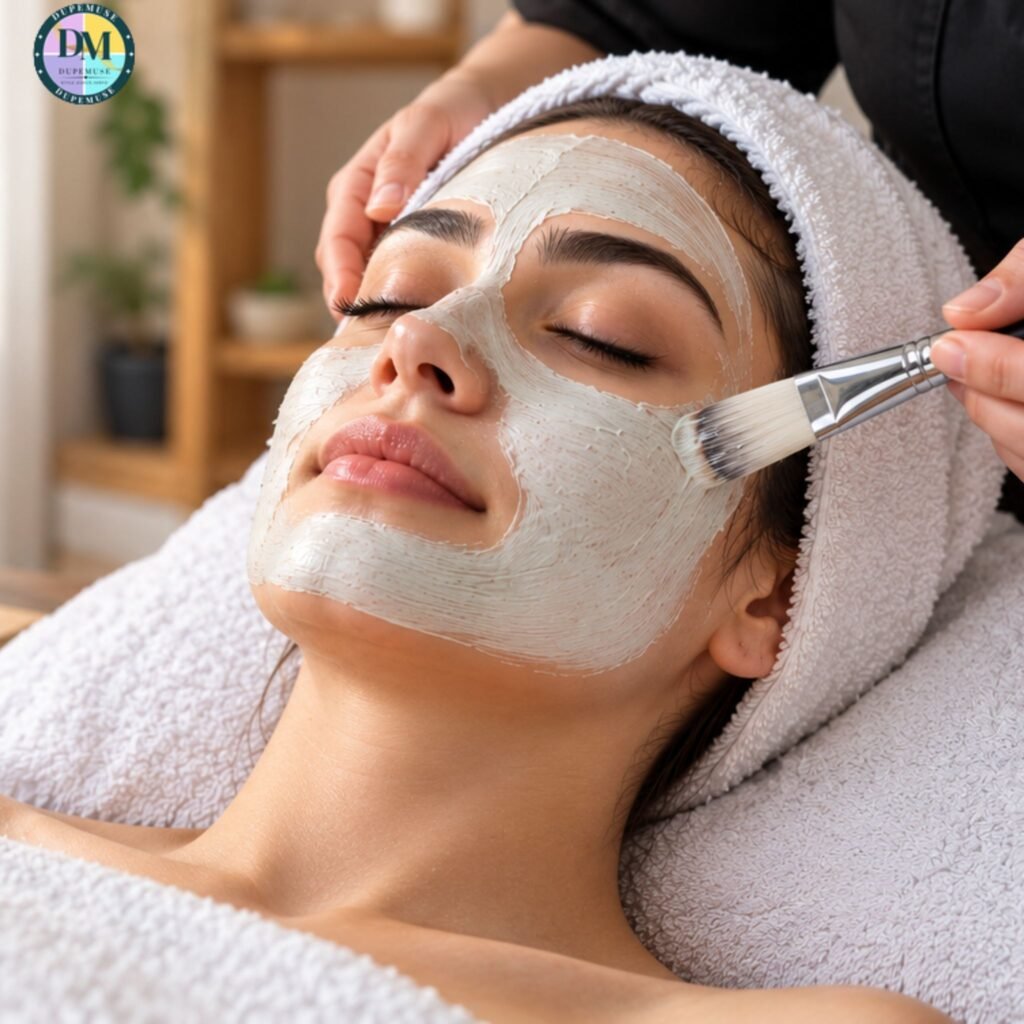
Facials are popular skin treatments that help cleanse, hydrate, and improve the overall appearance of your skin. They typically include deep cleansing, gentle exfoliation, extractions when needed, and moisturizing products chosen for your skin type. Regular facials may help remove surface buildup, unclog pores, improve skin texture, and leave your complexion looking fresher and smoother. Some facials also target specific concerns, such as oily skin, dryness, dullness, and mild acne.
For sensitive skin, a gentle facial can help maintain hydration without unnecessary irritation. The best facial depends on your skin’s needs, so consult a qualified skincare professional if you have persistent acne, rosacea, or other skin conditions. For lasting results, combine suitable facials with a consistent at-home skincare routine and daily broad-spectrum SPF 30 or higher sunscreen. While facials can support healthy-looking skin, they do not replace medical treatment for more serious skin concerns.
Acne Treatments for Clear Skin
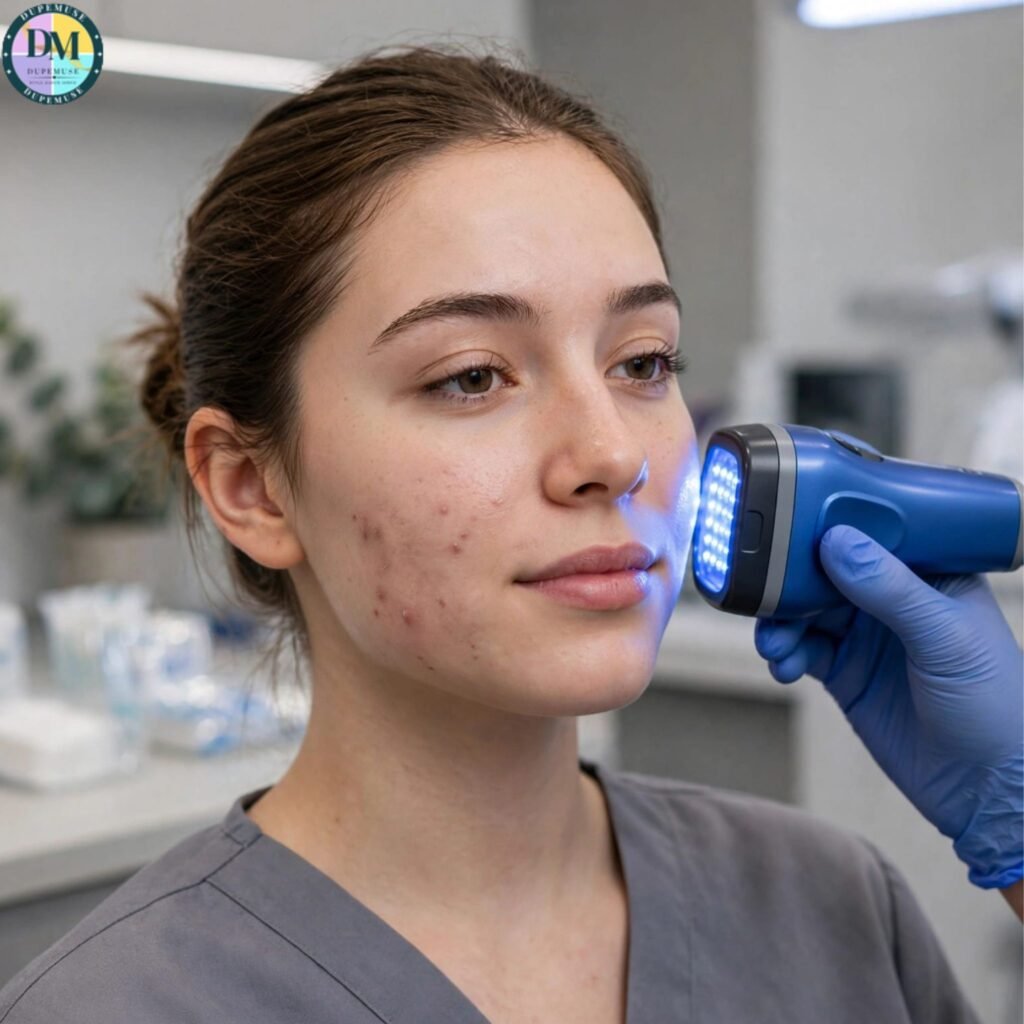
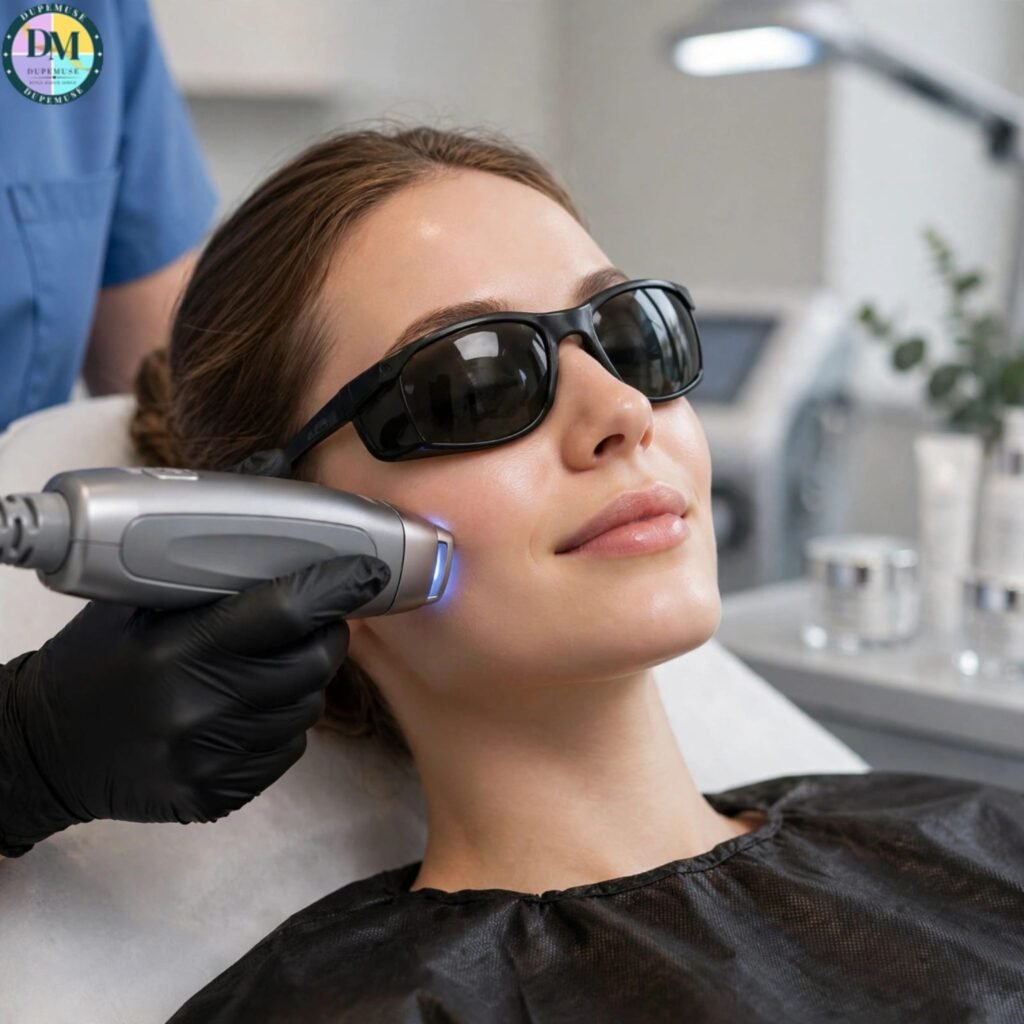
Blue light therapy may help reduce acne-causing bacteria and calm inflammatory breakouts, making it a possible option for mild to moderate acne. It is non-invasive, but multiple sessions may be needed, and results vary by skin type and acne severity.
Intense pulsed light (IPL) therapy can help improve acne-related redness, dark spots, and uneven skin tone. However, it is not suitable for everyone and may cause burns or pigmentation changes, especially on darker skin tones if used incorrectly. Consult a qualified dermatologist to find the safest and most effective treatment for your skin.
Microdermabrasion for Smoother Skin
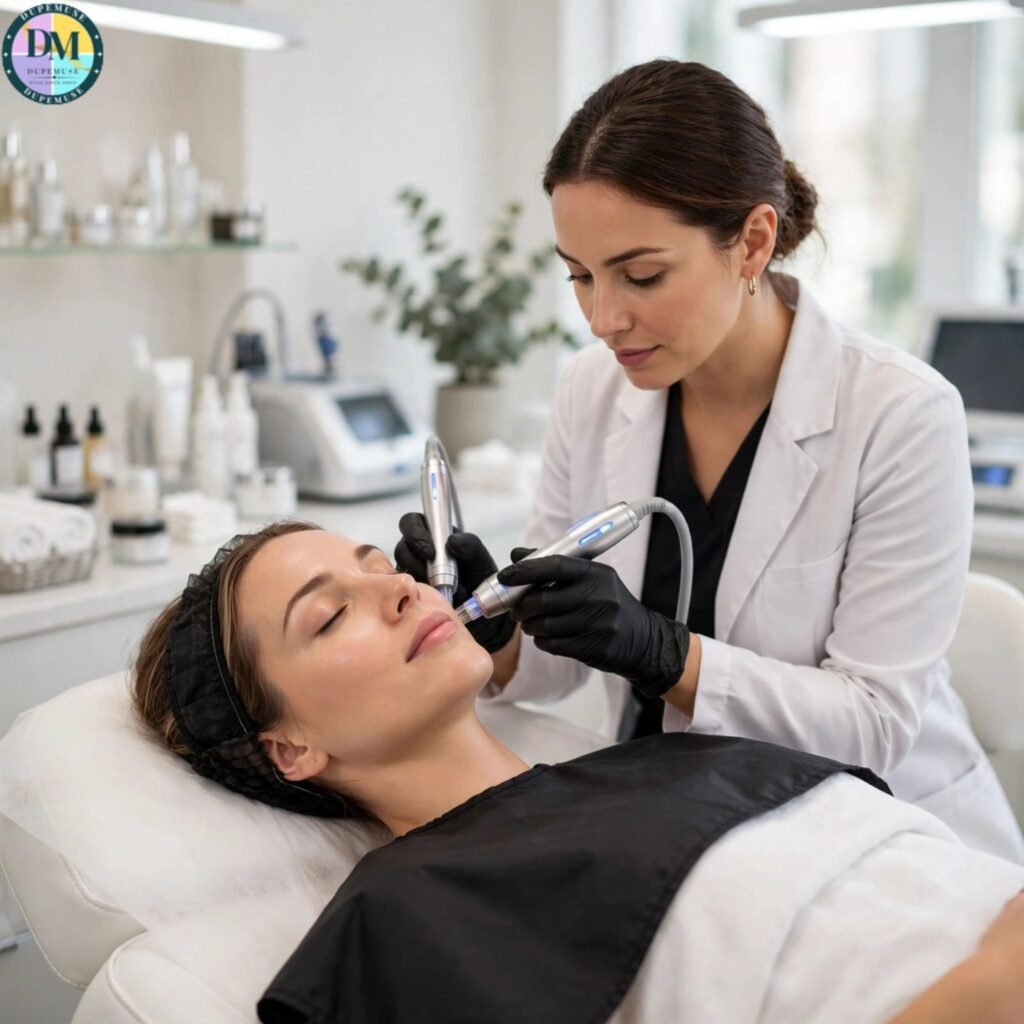
Want smoother skin without surgery or downtime? Microdermabrasion is a non-invasive skin treatment that gently removes dead skin cells to improve rough texture, soften the appearance of fine lines, and reduce the look of mild acne scars and age spots.
A skincare professional uses a handheld device with a diamond tip or fine crystals to exfoliate the skin, while gentle suction removes loosened skin cells. The treatment is quick, and most people need several sessions for the best results. However, microdermabrasion works mainly on the skin’s surface, so deeper acne scars and pronounced wrinkles may need other treatments.
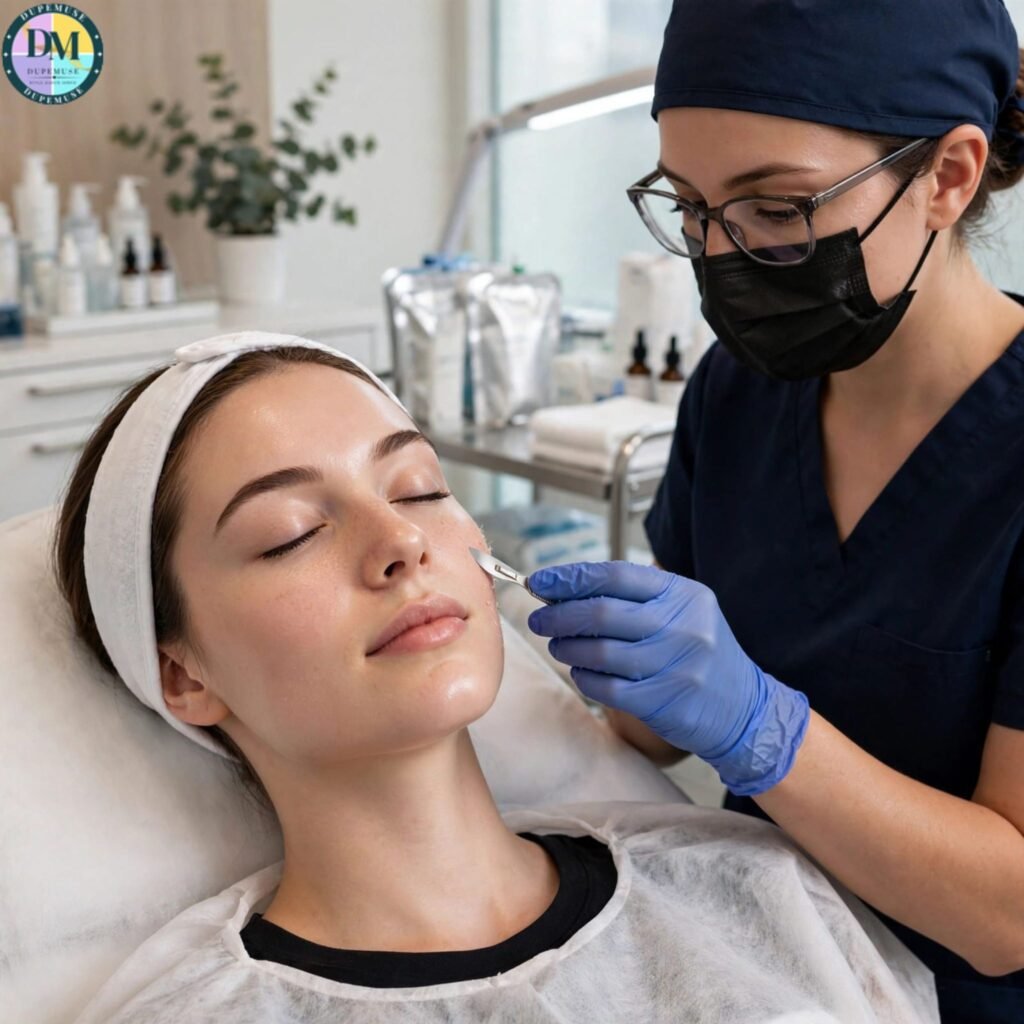
Dermaplaning for Smooth, Glowing Skin
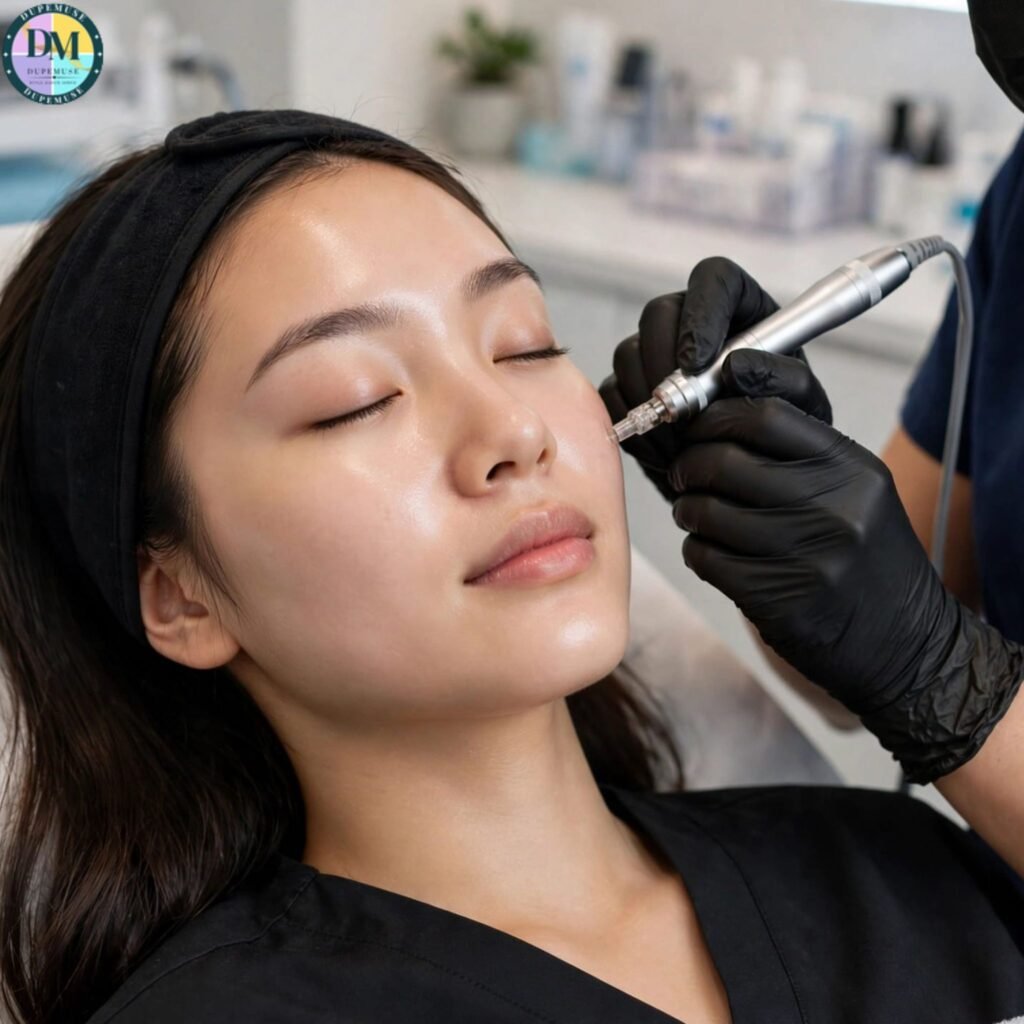
Want smoother skin without harsh exfoliation? Dermaplaning is a non-invasive treatment that uses a sterile blade to gently remove dead skin cells and fine facial hair, also known as peach fuzz. It helps soften rough skin texture, creates a smoother surface for makeup, and may improve the feel of your skincare routine.
The treatment is quick, with little to no downtime for most people. However, temporary redness, irritation, or sensitivity can occur, especially on reactive skin. Dermaplaning may not be suitable for people with active acne, irritated skin, or certain skin conditions. For the best results, choose a trained professional, follow gentle aftercare, and use broad-spectrum SPF 30 or higher daily.
Laser Treatment for Skin Rejuvenation
Want smoother, younger-looking skin without surgery? Laser skin rejuvenation offers different treatments to improve wrinkles, fine lines, uneven skin tone, and signs of sun damage. Laser skin resurfacing removes damaged skin cells to encourage new skin growth and collagen production, while non-ablative lasers heat deeper layers of skin to stimulate collagen with less surface damage.
Laser skin tightening uses controlled heat to help improve skin firmness over time. Results depend on the treatment, skin type, and severity of skin concerns. Some procedures require little downtime, while others may cause redness, swelling, peeling, or a longer recovery. People with darker skin tones may also have a higher risk of pigmentation changes with certain lasers. Consult a board-certified dermatologist to choose the safest option for your skin and understand the expected results.
Best Hydration Treatments for Dry Skin
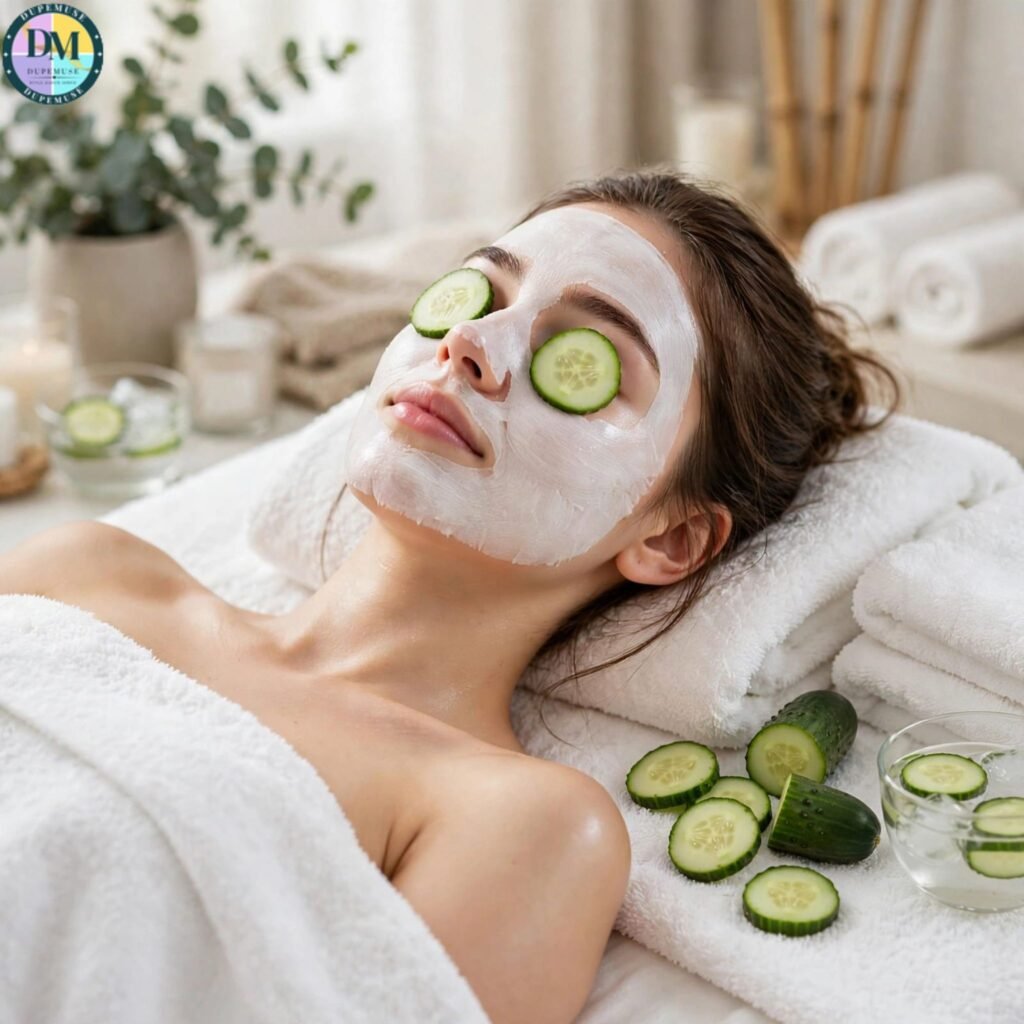
Dealing with dry, tight, or dull skin? The right hydration treatment can help restore moisture, soften rough patches, and leave your skin looking smoother and healthier. Hydrating facials use ingredients such as hyaluronic acid and glycerin to attract moisture, while moisturizing treatments help support the skin barrier and reduce water loss.
For dehydrated skin, gentle skincare and a moisturizer containing ceramides can help improve moisture levels and skin comfort. Professional treatments may provide an extra boost, but results depend on your skin type and the cause of dryness. Avoid harsh exfoliation and overly hot water, which can worsen dryness. If your skin remains irritated, cracked, or persistently dry, consult a dermatologist to find the right treatment for your needs.
Best Ingredients for Dry Skin:
Hyaluronic Acid, Ceramides, Glycerin, Squalane
What to Avoid for Dry Skin:
Harsh scrubs, alcohol toners, hot showers, over-washing
Chemical Peels for Smoother Skin, Fewer Dark Spots, and a Healthy Glow
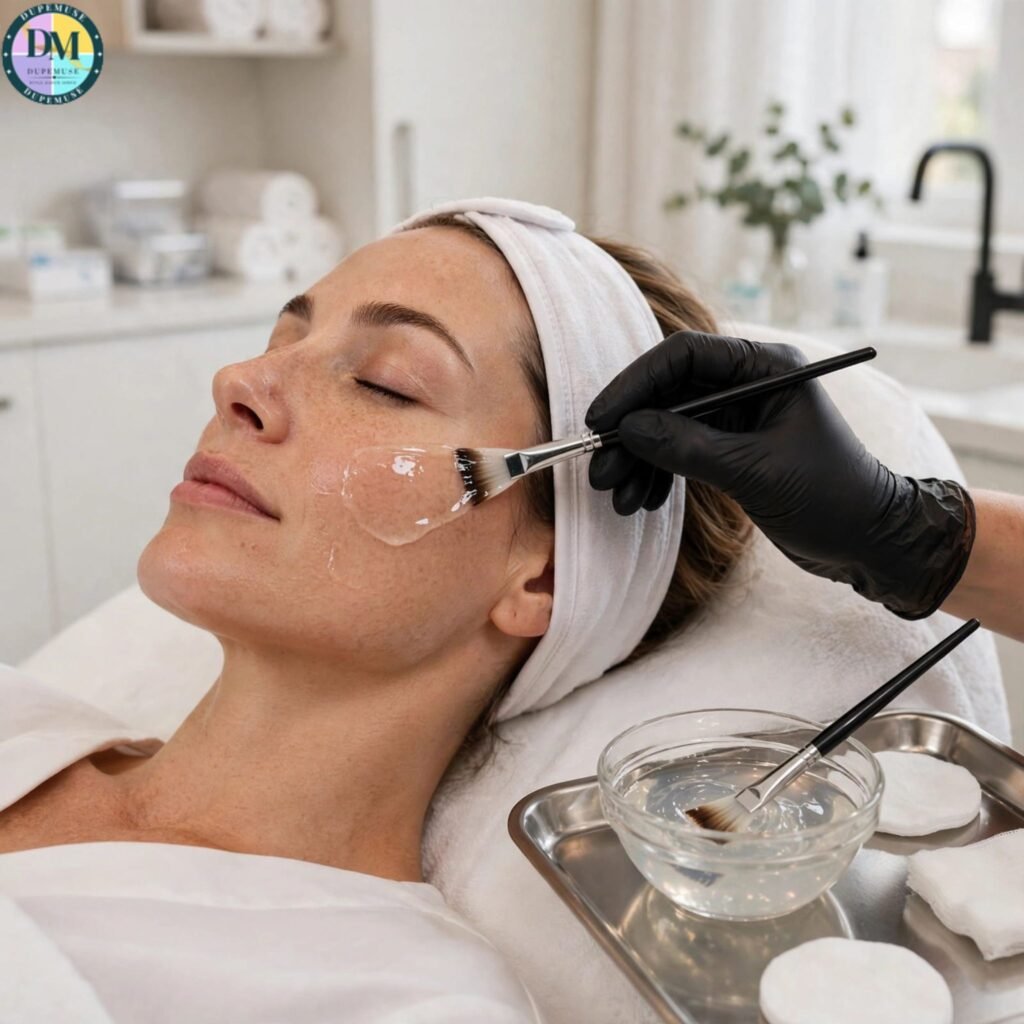
Want smoother skin and a more even skin tone? Chemical peels use carefully selected acids to remove damaged outer skin cells and encourage skin renewal. Depending on the peel’s strength, treatment may help reduce the appearance of fine lines, sun damage, dark spots, acne marks, and uneven texture. Mild peels often use alpha hydroxy acids (AHAs), while deeper peels may use trichloroacetic acid (TCA) or phenol.
Light peels usually require less recovery time, while medium and deep peels can cause more peeling, redness, and sensitivity. Results depend on your skin type, the concern being treated, and the peel’s strength. Because chemical peels can cause burns or lasting pigmentation changes when used incorrectly, consult a qualified dermatologist to choose the right treatment and follow proper aftercare, including daily broad-spectrum sunscreen.
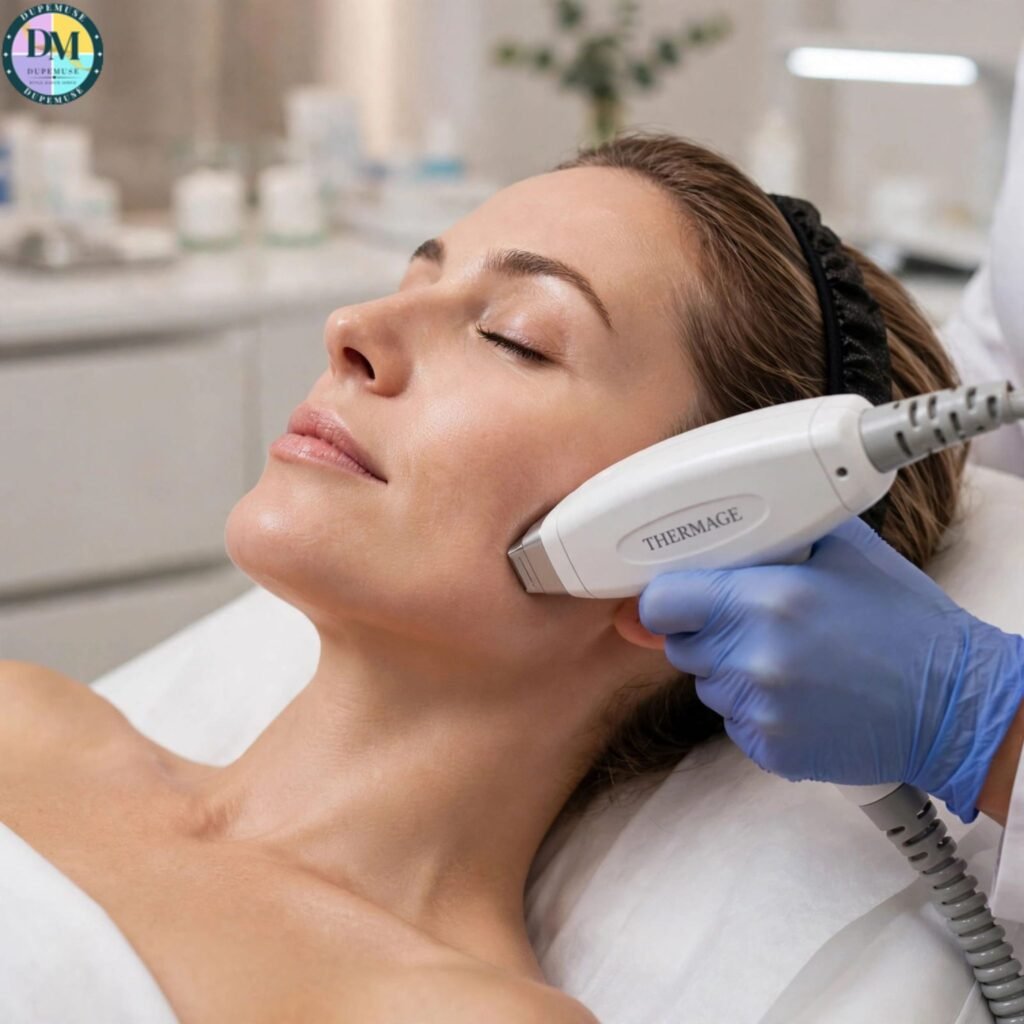
Thermage & Anti-Aging: Benefits, Results, and Anti-Aging Effects
Want firmer skin without surgery? Thermage is a non-invasive radiofrequency treatment that heats deeper layers of the skin to stimulate collagen production. It may help improve mild skin laxity, soften the appearance of fine lines, and create a firmer look around the face, jawline, and neck.
Unlike treatments that remove the outer skin layer, Thermage works beneath the surface and usually requires little downtime. Some people notice early changes, but results typically develop gradually over several months and vary from person to person.
The procedure can cause temporary redness, swelling, or discomfort, and burns or changes in skin texture are possible risks. Although it can be used on a range of skin tones, suitability depends on your skin and medical history. Consult a qualified provider to discuss expected results, risks, and whether Thermage is right for you.
Esthetic and Cosmetology Treatments for Smoother, Healthier-Looking Skin
Looking for smoother skin and a more polished appearance? Esthetic and cosmetology treatments include services such as waxing, facial treatments, and professional exfoliation to improve the look and feel of your skin. Depending on your needs, a licensed esthetician may recommend a suitable facial or cosmetic treatment to address rough texture, clogged pores, or uneven-looking skin tone.
Some clinics also offer light-based treatments, such as intense pulsed light (IPL), for concerns like visible redness and sun spots. However, available services and licensing rules vary by state, and not every treatment is suitable for every skin type. Skin growths, changing moles, or other suspicious spots should be evaluated by a qualified medical professional rather than removed as a cosmetic procedure. Consult a licensed provider to find an option that matches your skin goals and needs.
9 Types Of Treatments: Comparison
| Treatment | Best For | How It Works | Results And Downtime | Ideal For |
| Facials For Skin Health | Dullness, Dryness, And Clogged Pores | Deep Cleansing, Gentle Exfoliation, Massage And Hydrating Mask | Instant Glow, No Downtime | All Skin Types |
| Acne Treatment For Clear Skin | Active Acne, Blackheads, And Oily Skin | Deep Pore Cleansing, Anti Bacterial Care, And Oil Control | Clearer Skin In 2-4 Sessions, Mild Redness | Oily And Acne-Prone Skin |
| Microdermabrasion For Skin Smoothing | Rough Texture, Dull Skin, And Mild Scars | Gentle Diamond-Tip Exfoliation Removes Dead Skin Cells | Smoother Skin Instantly, Downtime | Normal To Combination Skin |
| Dermaplaning For Exfoliation | Peach Fuzz, Dead Skin, And Dullness | Sterile Blade Gently Scrapes Away Dead Skin And Hair | Bright And Smooth Skin, No Downtime | Dry, Sensitive, And Normal Skin |
| Laser Treatment For Skin Rejuvenation | Pigmentation, Wrinkles, Scars, And Uneven tone | Targeted Laser Energy Boosts Collagen And Repairs Skin | Visible Results In 1-3 Sessions, 1-3 Days Redness | All Skin Types With Expert Guidance |
| Hydration Treatments For Dry Skin | Dehydrated, Tight, And Flaky Skin | Deep Hydrating Serums And Moisture-Barrier Repair | Plump And Soft Skin, No Downtime | Dry And Sensitive Skin |
| Chemical Peels For Skin Renewal | Dark Spots, Acne Marks, And Uneven Texture | Mild Acid Solution Exfoliates Damaged Outer Skin Layer | Brighter Skin In 5-7 Days, Mild Peeling | Normal, Oily, And Combination Skin |
| Thermage And Anti-Aging | Sagging Skin, Fine linens, And Loss of Firmness | Radiofrequency Heat Tightens Skin And Boosts Collagen | Firmer Skin In 2-3 Months, No Downtime | Mature And Aging Skin |
| Esthetic And Cosmetology Treatments | Overall Skin Health And Beauty Maintenance | Customized Professional Skin Analysis And Care Plan | Long-Term Healthy Glow, Varies By Treatment | All Skin Types |
For best results, choose a treatment based on your skin type. If you have sensitive skin, active acne, or a history of pigmentation, consult a dermatologist first.
How Much Do Skin Treatments Cost?
| Treatments | Average Costs Per Session | Sessions Usually Needed |
| Facials For Skin Health | $75-$200 | 1, monthly for maintenance |
| Acne Treatment For Clear Skin | $100 – $500 | 3 – 6 sessions |
| Microdermabrasion For Skin Smoothing | $100 – $250 | 4 – 6 sessions |
| Dermaplaning For Exfoliation | $50 – $150 | 1, every 3-4 weeks |
| Laser Treatment For Skin Rejuvenation | $1,000 – $3,500 | 1 – 3 sessions |
| Hydration Treatments For Dry Skin | $150 – $350 | 1, monthly |
| Chemical Peels For Skin Renewal | $150 – $500 for light/medium peels | 3 – 6 for light, 1 for deep |
| Thermage And Anti-Aging | $1,500 – $3,500 | 1 session |
| Esthetic And Cosmetology Treatments | $70 – $300 | Varies by service |
Professional vs. At-Home Skin Treatments: Which Is Best for Your Skin?
Wondering whether to treat your skin at home or visit a professional? At-home skincare products, such as gentle exfoliants, moisturizers, retinoids, and sunscreen, can help maintain healthy skin, improve mild texture concerns, and protect against sun damage. Professional skin treatments, including chemical peels, laser resurfacing, and microneedling, may provide more noticeable results for certain concerns but can involve higher costs, recovery time, and potential side effects.
Dermal fillers are different because they restore volume rather than resurface the skin. The best option depends on your skin type, treatment goals, budget, and tolerance for downtime. Start with a consistent home routine, and consult a qualified dermatologist before trying intensive procedures, especially if you have sensitive skin, active acne, or a history of pigmentation problems.
How to Choose the Best Skin Treatment
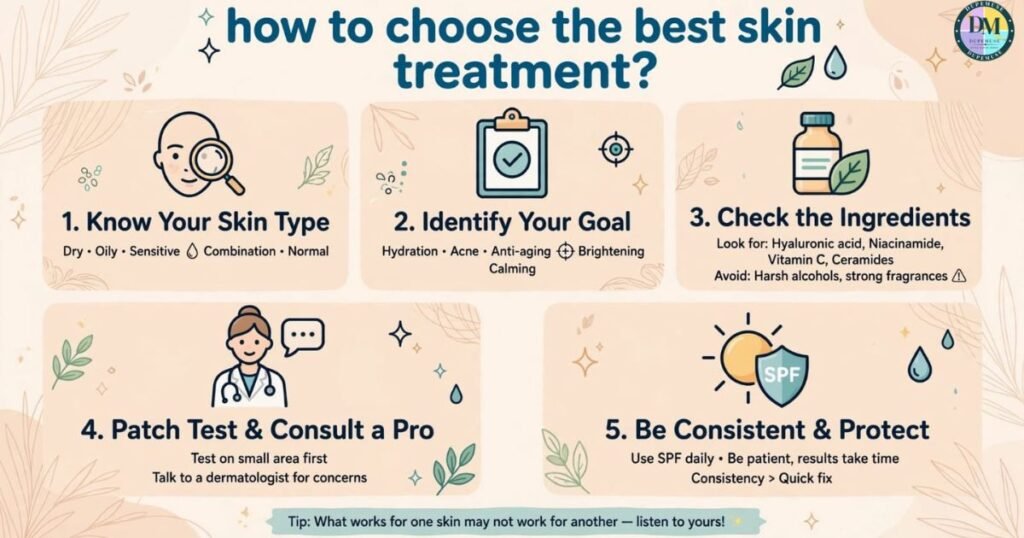
Not sure which skin treatment is right for you? Start by identifying your main concern, whether it is acne, fine lines, dark spots, uneven texture, or dry skin. Your skin type, sensitivity, medical history, and budget can help narrow down your options. For mild concerns, a consistent at-home routine with gentle skincare products and daily sunscreen may be enough.
More persistent concerns may benefit from professional treatments, such as chemical peels, microneedling, or laser procedures. Before booking a treatment, ask about expected results, total cost, recovery time, possible side effects, and how many sessions you may need. If you have a skin condition, active irritation, or a history of pigmentation changes, consult a board-certified dermatologist to find a safe option for your needs.
FAQs About Skin Treatments
What’s the best treatment for aging skin?
Retinoids, chemical peels, laser treatments, and skin-tightening procedures may help reduce signs of aging, depending on your skin and goals.
Can you do chemical peels at home?
Yes, mild at-home peels are available, but avoid strong peels and follow product instructions to reduce the risk of burns and irritation.
What treatment is best for acne scars?
Microneedling, laser resurfacing, and chemical peels may help, depending on the type and depth of your acne scars.
Do all treatments require downtime?
No, facials and some gentle treatments require little downtime, while deeper peels and laser resurfacing may need days or weeks of recovery.
What are the best skin treatments?
The best skin treatments include hydrating facials, chemical peels, microneedling, laser therapy, and personalized skincare for your skin type.
What are types of skin treatments?
Common skin treatments include facials, exfoliation, chemical peels, microdermabrasion, microneedling, laser treatments, and acne therapies.
What are some new treatments for skin rejuvenation?
Modern skin rejuvenation treatments include RF microneedling, fractional laser resurfacing, LED light therapy, and advanced collagen-stimulating procedures.
What are the top 10 most popular beauty treatments?
Popular beauty treatments include facials, chemical peels, laser hair removal, Botox, dermal fillers, microneedling, hydrafacials, microdermabrasion, lash lifts, and skin rejuvenation therapies.
Meta description
Discover 9 types of skin treatments, from facials to advanced derma therapies. Learn benefits, costs & how to choose the best treatment for glowing, healthy skin.