
A smooth, natural-looking foundation starts with more than just the right shade. From skin prep and the amount of product to the perfect blending technique, every step matters. Learn how to apply foundation like a pro and avoid cakey, patchy makeup for a fresh, flawless-looking base that lasts all day.
What Is Foundation and Why Does the Right Application Matter?
Foundation is a cosmetic product designed to even the appearance of your complexion. It can soften visible redness, reduce the look of uneven tone, and create a more balanced base for the rest of your foundation makeup. The U.S. FDA classifies foundation and face powder as cosmetics. UU.S. Food and Drug Administration
The right foundation application also affects how your makeup wears. A suitable formula can create even-toned skin without covering every natural detail. In contrast, excessive product may emphasize pores, fine lines, and dry texture. Think of foundation as a veil rather than a wall. Your real skin should still have some dimension.
How to Prepare Your Skin Before Applying Foundation
Great makeup starts before the bottle opens. Begin by cleanse your face with a gentle cleanser to remove dirt and oil without leaving your skin uncomfortably tight. Good skincare before makeup creates a cleaner canvas for foundation and helps you avoid unnecessary texture.
Next, exfoliate dead skin cells only when your skin needs it. Over-exfoliating can make the surface irritated. Then apply moisturizer and give it time to settle. Proper hydrated skin helps prevent flaky makeup and can make the final base appear smoother. During the day, apply sunscreen as part of your normal skincare routine.
Do You Need Primer Before Foundation?
A makeup primer isn’t mandatory, but it can solve specific problems. A foundation primer may blur visible pores, reduce shine, add hydration, or create a smoother surface. Choose one according to your skin rather than buying primer simply because everyone else uses it.
How to Choose the Best Foundation for Your Skin Type
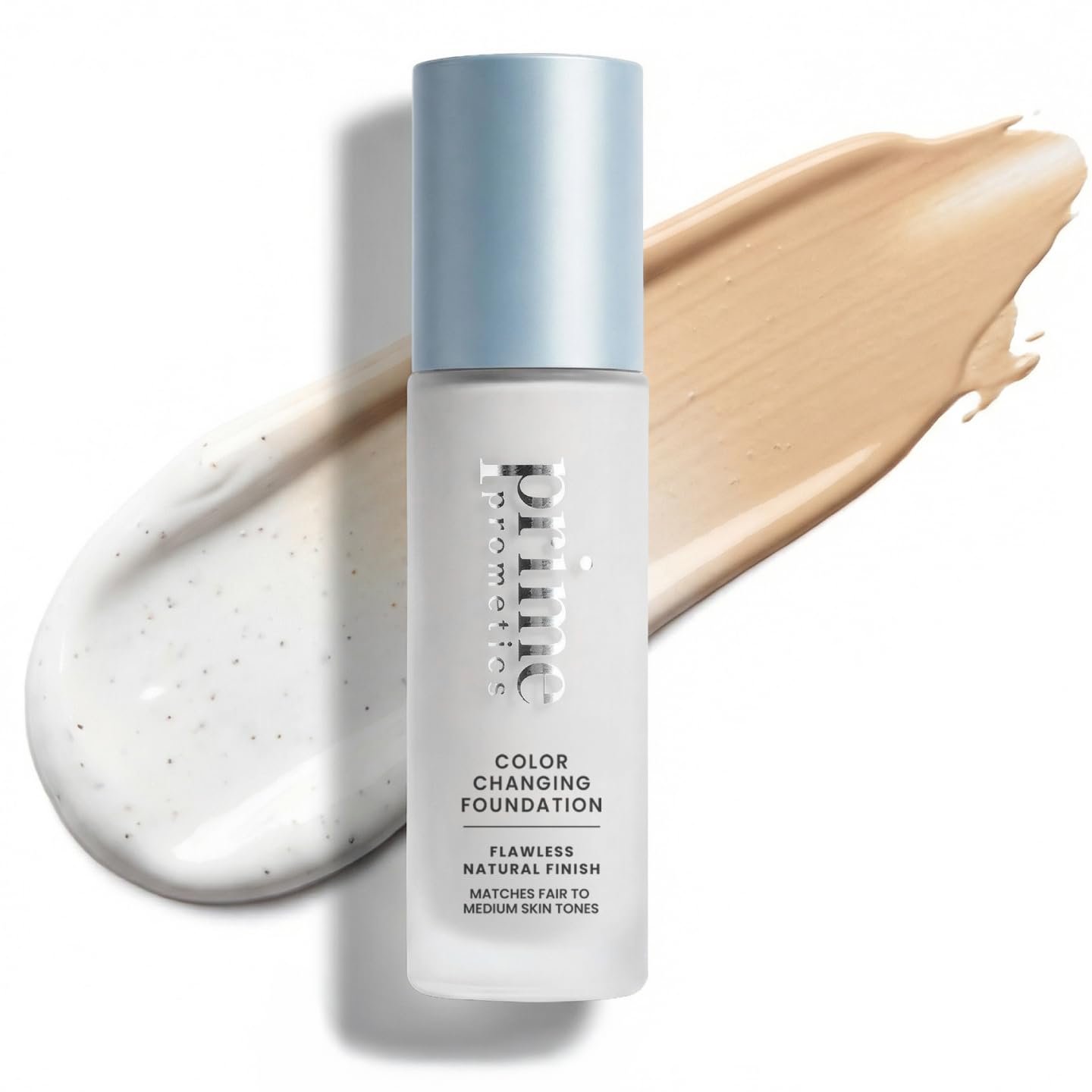
The best foundation isn’t necessarily the most expensive one. It should suit your skin’s behavior, desired coverage, and preferred finish. A foundation for skin type should work with your complexion rather than fighting it throughout the day.
For example, dry skin often benefits from a moisturizing formula with a lightweight texture. Oily skin may prefer an oil-controlling or long-wearing foundation. Combination skin usually needs balance. Sensitive skin may benefit from simpler formulas that avoid ingredients you already know irritate you.
Your lifestyle matters too. A lightweight formula may feel comfortable for everyday errands. A full-coverage foundation may make more sense for photography or special events. Always consider how the product behaves after several hours, not just how it looks during the first five minutes.
 |
How to Find the Right Foundation Shade and Undertone
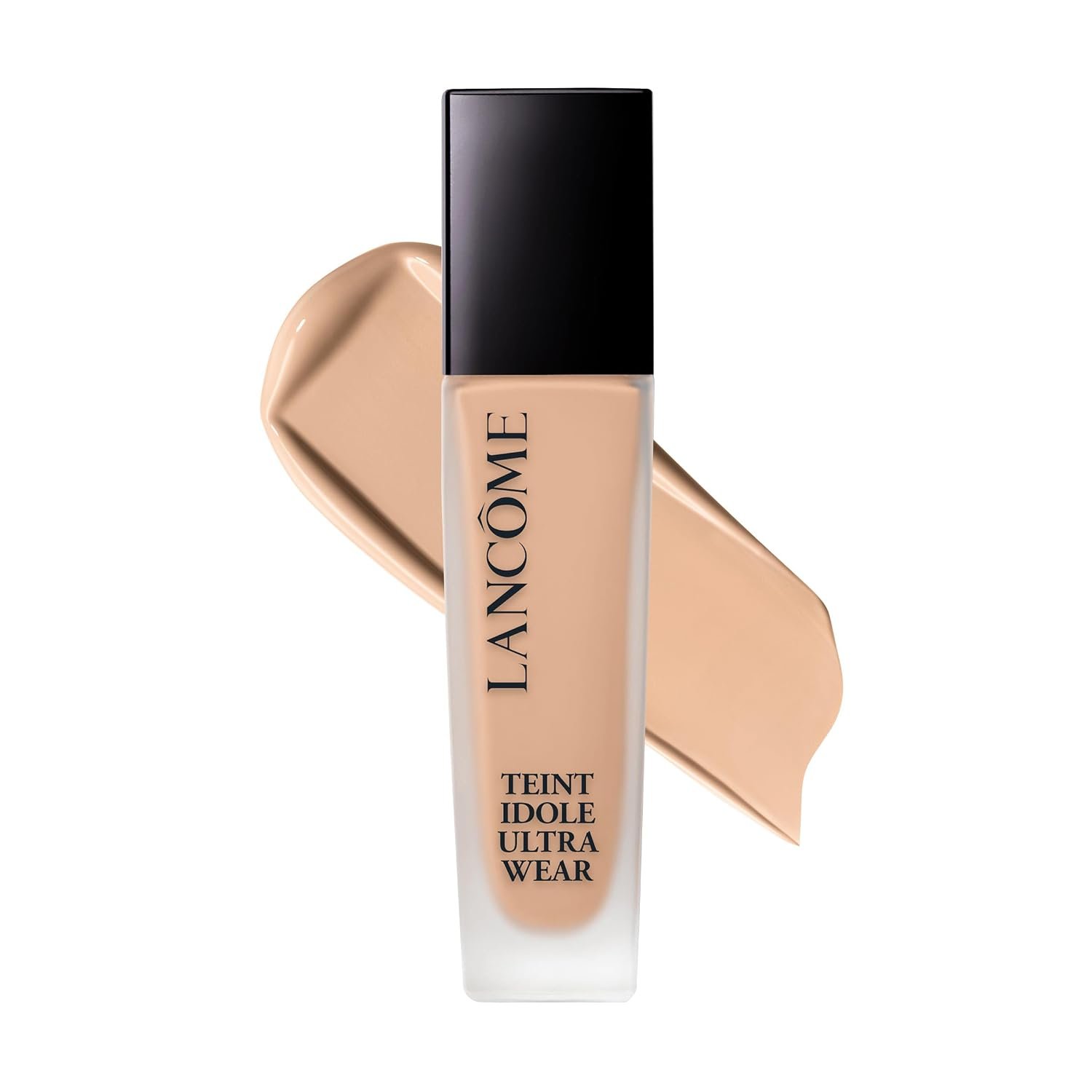
A good foundation match should disappear into your complexion rather than announce itself. Your foundation shade needs both the right depth and the right undertone. Undertones commonly fall into cool, warm, neutral, or olive categories.
When possible, test shades near the jawline instead of relying only on your hand. Your hands may have a different color from your face. Check the match in natural light and allow the formula to settle. Some products may change appearance as they dry, a process often called foundation oxidizing.
| Undertone | Common visual clues | Shade direction |
|---|---|---|
| Cool | Pink, red, or bluish cast | Cool or rosy shades |
| Warm | Golden, yellow, or peach cast | Warm or golden shades |
| Neutral | Mix of warm and cool tones | Neutral shades |
| Olive | Greenish or muted golden cast | Olive or neutral-olive shades |
If two shades seem close, compare them along the jaw and neck. Seasonal changes can also matter. A shade that works beautifully in winter may need adjustment after more sun exposure during summer.
 |
How to Apply Foundation Step by Step for a Natural Finish
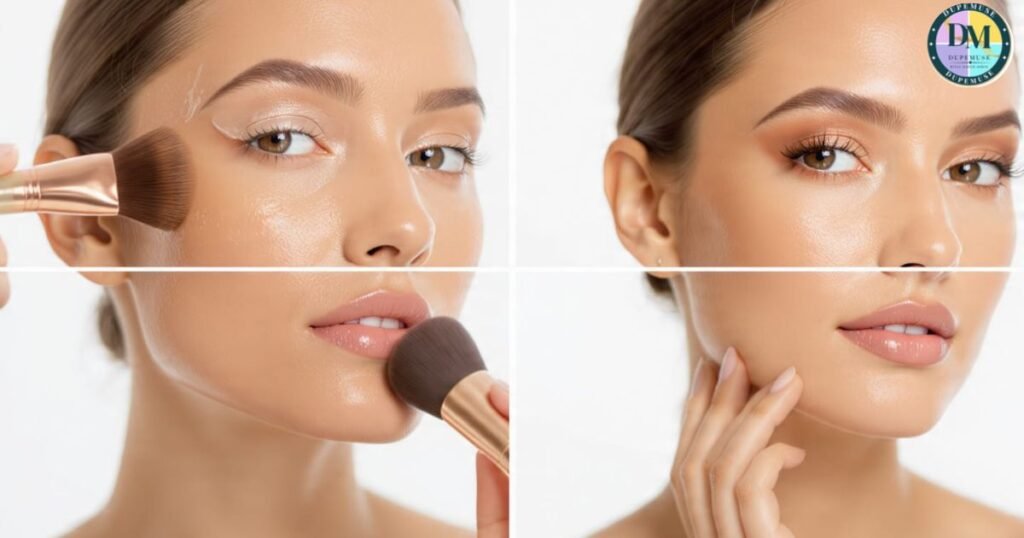
Now let’s get into applying foundation. Start with a small amount. Place it where you need the most coverage, usually around the center of the face. Then blend outward toward the cheeks, jaw, and hairline.
Use a light hand and use a light layer first. You can always add more. To create buildable coverage, allow the first layer to settle before adding another. This approach prevents a heavy appearance while still letting you cover specific areas.
Step 1: Start With a Small Amount
Place a modest amount on the back of your hand or palette. Then distribute it across the center of your face. Apply a small amount rather than starting with a thick layer.
Step 2: Work From the Center Outward
Apply foundation to the center of the face where redness often appears. Then blend outward toward the edges. The outer face usually needs less product.
Step 3: Press and Blend
Depending on your tool, tap foundation into the skin, stipple foundation, or gently press foundation into place. Avoid rubbing and avoid wiping because both can move the product instead of blending it.
Step 4: Add Coverage Only Where Needed
After the first layer, check your complexion. Target areas with redness or cover blemishes with another thin layer. The goal is to even out skin tone, not erase every natural feature.
Step 5: Check the Edges
Finally, inspect the nose, jaw, hairline, and around the mouth. Good blending foundation should leave no obvious borders. If you can see where makeup ends, keep blending.
How to Apply Foundation With a Brush
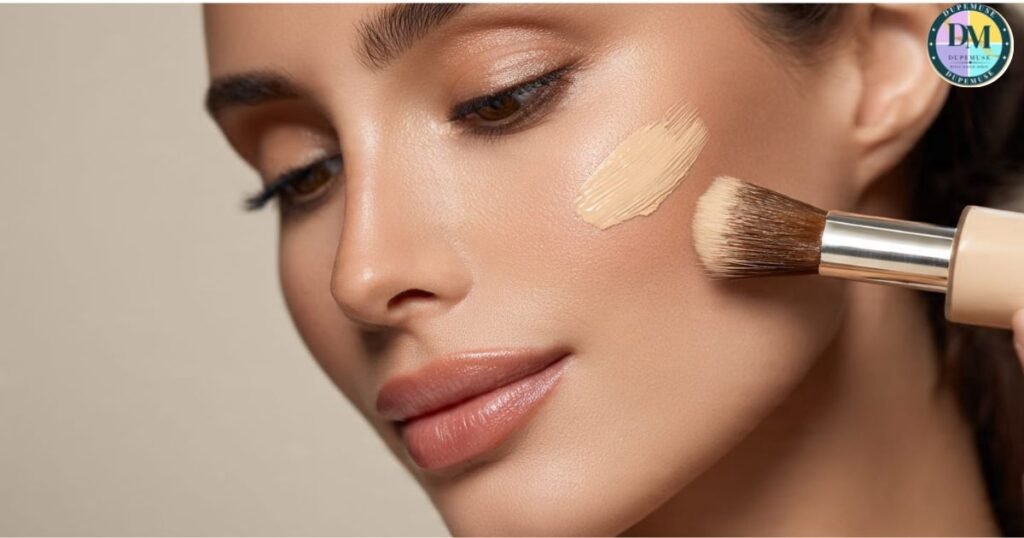
A foundation brush offers excellent control and works well with many liquid and cream formulas. For an even finish, look for synthetic bristles with a shape suited to your preferred technique. A dense buffing brush can spread product quickly while a smaller brush gives you more precision.
Start with a small amount and place it around the center of the face. Use short circular or pressing movements to distribute it. With a stipple motion, you can build coverage without dragging the product across the surface. Finish with gentle pressing around textured areas.
How to Prevent Brush Streaks
Streaks often appear when the brush contains too much product or when you drag it repeatedly. Densely packed bristles can help distribute liquid formulas evenly, but pressure still matters. Use lighter strokes as you approach the hairline and jaw.
If your brush leaves lines, don’t immediately add more foundation. Instead, use the clean side of the brush to soften the marks. You can also press the area gently with a damp beauty sponge.
How to Apply Foundation With a Makeup Sponge
A makeup sponge can create a soft, diffused finish. It works especially well when you want foundation to look less noticeable on the skin. Before application, wet the sponge and squeeze it thoroughly. It should feel damp, not dripping.
Apply foundation to the face or sponge. Then bounce the sponge across the skin rather than dragging it. The rounded areas work well on cheeks and forehead. The pointed tip can reach around the nose and other small areas.
How to Get a Skin-Like Finish With a Sponge
The secret is pressure. Don’t smash the sponge into your face. Use gentle bouncing motions and build the product slowly. A damp beauty sponge can help soften the appearance of excess foundation while maintaining useful foundation coverage.
Clean your sponge regularly and follow the care instructions provided with it. The FDA also recommends reading cosmetic labels and following directions for safe use. UU.S. Food and Drug Administration
How to Apply Foundation With Your Fingers
Your fingers can work surprisingly well for lightweight liquid formulas. First, wash your hands. Then place a small amount between your fingertips to warm and distribute the product. Dot it onto your face before blending.
Press and tap the foundation into the skin instead of aggressively rubbing. This method works well when you’re traveling or creating a quick everyday look. It also gives you excellent control over how much product reaches each area.
When Are Fingers a Good Choice?
Fingers work especially well with sheer and lightweight formulas. They can also help when you want a very natural finish with minimal equipment. The key is clean hands and controlled pressure. Don’t use this method if touching your face causes irritation or discomfort.
Brush, Sponge, or Fingers: What Is the Best Way to Apply Foundation?
There isn’t one universally perfect tool. The right choice depends on your formula, desired coverage, and preferred makeup finish. A brush usually offers strong coverage control. A sponge tends to create a softer appearance. Fingers offer speed and convenience.
| Tool | Best suited for | Typical result | Main strength |
|---|---|---|---|
| Brush | Liquid, cream, and fuller formulas | Natural to full | Control |
| Sponge | Liquid and cream formulas | Soft and skin-like | Diffusion |
| Fingers | Lightweight formulas | Natural | Convenience |
If you’re new to makeup, try both a brush and sponge. Your technique may improve simply because you’ll discover which tool feels easier to control. Remember, the tool matters less than using the right amount and blending carefully.
How to Apply Foundation for Different Skin Types
Skin type changes the way foundation behaves. The same product can look smooth on one person and emphasize texture on another. That’s why foundation tips should always account for hydration, oil production, and surface texture.
The most useful rule is simple: prepare each area according to what it needs. Don’t automatically treat your entire face the same way. Your cheeks may need hydration while your forehead needs more shine control.
How to Apply Foundation on Dry Skin
When learning how to apply foundation on dry skin, start with gentle skin preparation. Cleanse without stripping the skin, then hydrate the skin with a suitable moisturizer. Give your skincare enough time to settle before adding makeup.
Choose a hydrating formula with a natural or dewy finish if that suits your preference. Use thin layers and press them into the skin. Heavy buffing can emphasize dry patches and make the base look rough.
Avoid excessive powder. If you need to set makeup, use a tiny amount only where necessary. A radiant complexion often looks more natural on dry skin when you allow some healthy-looking dimension to remain.
How to Apply Foundation on Oily Skin
When learning how to apply foundation on oily skin, begin with balanced skincare rather than skipping moisturizer. Excessively drying the skin can make makeup feel uncomfortable and may encourage an uneven appearance.
Choose a formula designed for your desired wear and finish. A matte foundation can help create a less shiny appearance. Apply thin layers and concentrate setting powder on areas that become oily.
The forehead, nose, and chin often develop the most visible shine. Rather than covering your whole face with powder, set the T-zone strategically. This preserves dimension while helping control excess oil.
How to Apply Foundation on Combination Skin
Combination skin needs a flexible approach. Your cheeks may feel dry while the forehead and nose become shiny. Instead of forcing one technique across the whole face, adapt your foundation for skin type to different zones.
Use adequate moisturizer on drier areas and lighter layers where oil tends to appear. A balanced formula with a natural finish can work well. Powder only the areas that need it.
The result should look consistent without feeling overly matte. In practice, combination skin rewards restraint. You don’t need more product. You need better placement.
How to Apply Foundation on Sensitive Skin
Sensitive skin requires extra care. Keep your skincare routine simple and avoid introducing several unfamiliar products immediately before an important makeup day. Read ingredient lists carefully and pay attention to products you already know your skin tolerates.
The FDA notes that terms such as “hypoallergenic” don’t guarantee that a product won’t cause an allergic reaction. UU.S. Food and Drug Administration If a product causes persistent irritation, stop using it and seek appropriate professional advice.
Use clean tools and avoid aggressive buffing. A gentle application can help minimize unnecessary friction. If you’re trying a new cosmetic, testing it according to the product’s directions can be a sensible precaution.
How to Apply Foundation for Different Coverage and Finishes
Coverage describes how much of the natural skin remains visible through the product. Finish describes how the surface looks after application. Understanding both terms makes choosing a foundation much easier.
A sheer formula can enhance your complexion without feeling like traditional heavy makeup foundation. Medium coverage offers more correction. Full coverage provides the strongest visual coverage, but it still looks better when applied in controlled layers.
How to Apply Foundation for Sheer Coverage
For sheer coverage, use a very small amount and spread it thinly. Focus on areas that need mild evening rather than covering the entire face with equal intensity.
A breathable foundation can work nicely for casual makeup. Keep your application light around the cheeks and outer face. The result should resemble your skin on a particularly good day.
How to Apply Foundation for Medium Coverage
Medium coverage gives you more flexibility. Start with one thin layer across areas where you want greater balance. Then assess the result before adding anything else.
Use buildable coverage around redness, blemishes, or uneven tone. This creates a polished base without making every part of your face equally opaque. It is often a practical choice for everyday work, dinners, and social events.
How to Apply Foundation for Full Coverage
Full coverage doesn’t mean applying the thickest possible layer. Instead, use targeted placement and gradual layering. A full coverage formula can cover significant discoloration while still looking refined when you control the amount.
Start with thin layers and allow each one to settle hydrating skincare and a radiant formula. For a more controlled appearance, use strategic powder. You can also combine finishes by keeping the cheeks luminous while reducing shine through the center of the face. Add extra product only where necessary. This helps prevent foundation looking heavy and keeps the surface more dimensional.
How to Get a Matte or Dewy Foundation Finish
Your final finish depends on more than the bottle. Skincare, primer, foundation formula, tool, and powder all influence the result. A matte finish usually reflects less light while a glowy finish reflects more.
For a softer glow, choose hydrating skincare and a radiant formula. For a more controlled appearance, use strategic powder. You can also combine finishes by keeping the cheeks luminous while reducing shine through the center of the face.
How to Make Foundation Look Natural and Last All Day
Long wear starts with preparation. If skincare hasn’t settled, makeup can move or form small patches. If you use too many layers, the result can feel heavy. Aim for balance instead.
Use a suitable formula, apply thin layers, and prevent makeup from moving by setting only the areas that need it. When touching up later, remove excess oil first. Then add a small amount of product instead of stacking fresh layers over old ones.
After applying your makeup, wait several minutes before judging the finish. Check the face in different lighting. Look closely around the nose, mouth, jaw, and forehead. These areas often reveal whether the product is settling well.
 |
Common Foundation Mistakes and How to Fix Them
Even a good product can create problems when the application goes wrong. Cakey foundation often comes from excessive product, dry skin, or too much powder. Start by reducing the amount and improving your skin preparation.
Patchy foundation can result from dry texture, incompatible skincare, or uneven blending. Streaky foundation usually points toward the tool or technique. If you notice foundation separating, examine the products underneath and how much oil appears during wear.
Another common issue is foundation oxidizing. If the product becomes noticeably darker after settling, test it before buying when possible. If your foundation not matching is obvious in daylight, reconsider both depth and undertone rather than adding more makeup.
| Problem | Likely cause | Better approach |
|---|---|---|
| Cakey base | Too much product | Use thinner layers |
| Patchy areas | Dryness or poor blending | Improve prep and press product |
| Streaks | Brush technique | Use lighter, shorter motions |
| Excess shine | Oil buildup | Blot and powder selectively |
| Heavy appearance | Excess coverage | Remove unnecessary layers |
| Makeup settling into pores | Too much product | Use less and press gently |
How to Apply Concealer, Powder, and Other Makeup After Foundation

In most everyday routines, you can apply concealer after foundation. This prevents you from using more concealer than necessary. Once the foundation settles, look for areas that still need attention.
Use concealer on specific blemishes or dark under-eye circles rather than applying it everywhere. An under-eye concealer can brighten the area, but too much product may emphasize texture. Tap it gently and blend the edges.
Next, set foundation with powder where you need additional control. A translucent powder or loose setting powder can reduce unwanted shine without requiring a thick layer. Use a soft powder brush or fluffy brush and remove excess product before touching the face.
The rest of your makeup should follow the texture of your base. Cream products usually blend well over a still-flexible cream or liquid base. Powder products generally work best after the surface has been appropriately set.
Best Foundation Brands in the USA
The U.S. market offers an enormous range of foundation formulas. Instead of choosing a brand solely because it is popular, compare shade range, formula type, coverage, finish, wear claims, and ingredient information. U.S. cosmetics must comply with applicable federal labeling requirements. UU.S. Food and Drug Administration
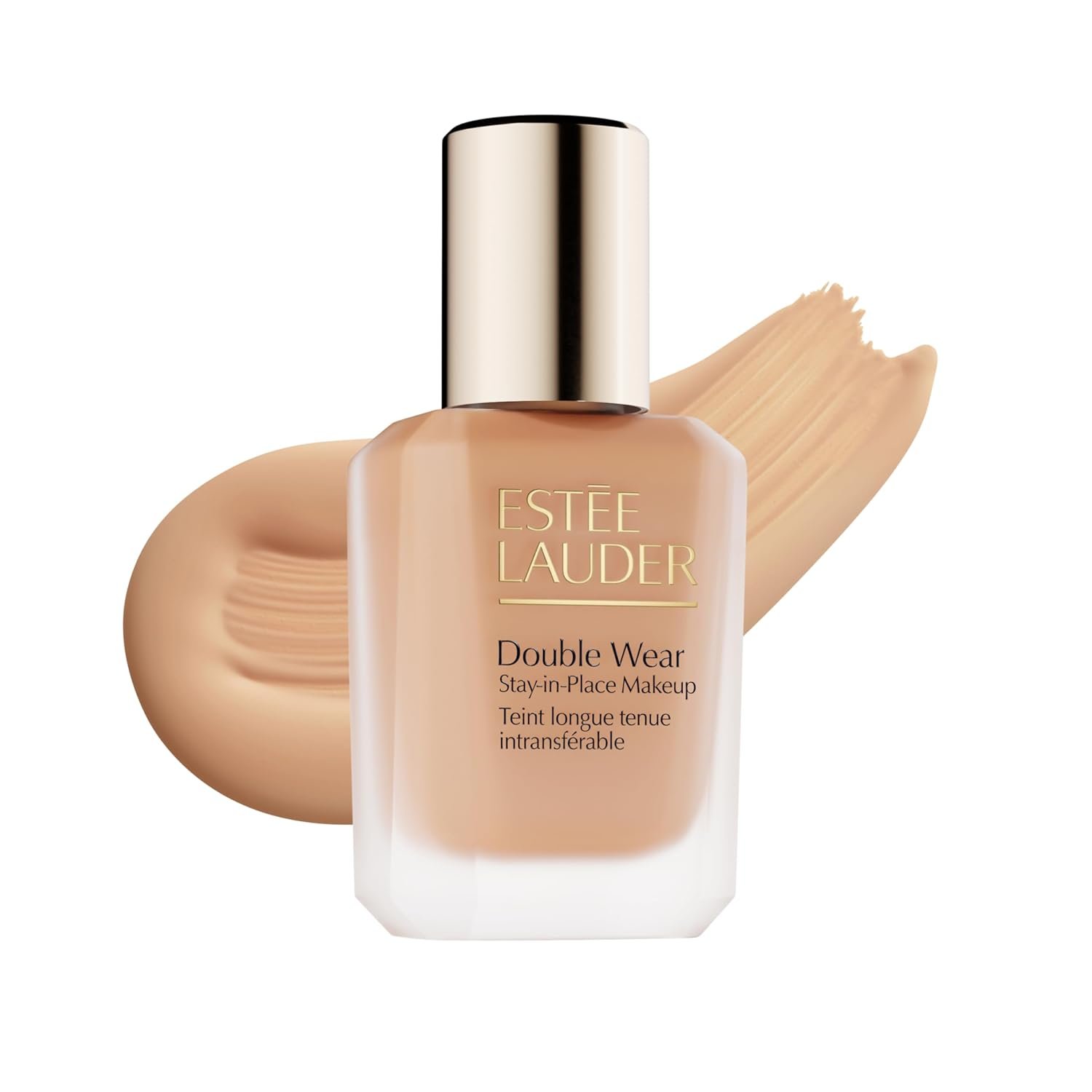
Brands such as Estée Lauder, NARS, Fenty Beauty, MAC, Clinique, Maybelline, L’Oréal Paris, Rare Beauty, Charlotte Tilbury, and Lancôme offer different foundation options. Availability and formulas can change, so check current product information before purchasing.
What Should You Look For in a Foundation Brand?
A useful brand should offer enough shade depth and undertone variety for you to find a genuine match. It should also provide clear product information. FDA guidance says retail cosmetics generally need ingredient declarations on their labeling. UU.S. Food and Drug Administration
Look beyond marketing phrases such as “natural,” “clean,” or “hypoallergenic.” Those terms don’t automatically tell you whether a formula suits your skin. Your own tolerance, desired finish, and makeup habits matter more than a catchy label.
Frequently Asked Questions About How to Apply Foundation
What is the best way to apply foundation?
Start with a small amount of foundation and apply it to the center of your face. Blend outward using gentle tapping or circular motions, building coverage gradually where needed.
What are the steps before applying foundation?
Cleanse your face, apply moisturizer, let it absorb, and use sunscreen during the day. You can then apply primer if desired, especially if you want smoother texture or longer-lasting makeup.
Can I apply foundation directly on my face?
Yes, but it is better to apply foundation on clean, moisturized, and sunscreen-protected skin. Applying it directly to dry or unprepared skin can make the foundation look patchy or emphasize dry areas.
Should You Apply Concealer Before or After Foundation?
For most everyday makeup, concealer after foundation is efficient because foundation has already evened much of the complexion. You can then place concealer only where coverage remains necessary.
Is It Better to Apply Foundation With a Brush or Sponge?
Neither tool wins every time. A brush can offer precise coverage while a sponge can create a softer finish. Your formula and desired result should guide the choice.
How Much Foundation Should You Use?
Start with less than you think you need. Apply a small amount and assess your face before adding another layer. This is one of the easiest ways to avoid a heavy finish.
How Do You Apply Foundation Without Looking Cakey?
Use proper skin preparation, choose a compatible formula, and build coverage gradually. Avoid excessive powder and don’t apply full coverage everywhere simply because one area needs it.
How Do You Make Foundation Last All Day?
To make foundation last all day, start with appropriate skincare and a compatible formula. Use thin layers and set only areas that need it. During touch-ups, blot oil first instead of repeatedly adding powder.
Final Thoughts
A beautiful base doesn’t require a complicated routine. It requires a good smooth makeup base, a suitable formula, and controlled application. Start with clean, comfortable skin. Choose the right shade and undertone. Then use a small amount and build from there.
Once you understand how to apply foundation, you can adapt the technique to almost any formula or skin type. A brush may give you precision. A sponge may give you softness. Your fingers may give you speed. The best method is the one that helps you create seamless makeup while keeping your skin looking like skin.
For More Guide
For more guide you can also check out these tutorials
How To Apply Foundation For BEGINNERS – YouTube
How To Apply Foundation With A Beauty Blender Sponge Correctly – Beginner Friendly | Nina Ubhi
How To Apply Foundation With A Brush – Beginner Friendly | Nina Ubhi
How to Apply FOUNDATION Like A PRO! #shorts
25 Fashion Savings Tips for Stylish Budget shopping – DupeMuse
Meta description
Learn how to apply foundation like flawlessly . Step by step guide with foundation application tips for natural look.