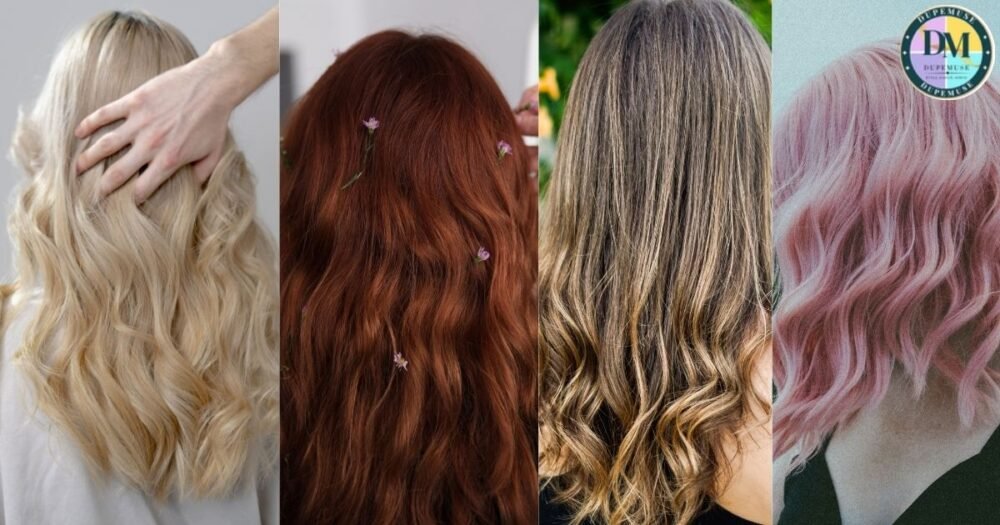
Understanding a hair color level chart can make choosing your next shade far less confusing. Whether you want a richer brunette, brighter blonde, or softer gray coverage, the level tells you how light or dark your hair is. The tone then adds warmth, coolness, or balance to the final result.
In this hair color chart, you’ll discover how levels 1–10 work, what underlying pigment appears during lightening, and how colorists select tones for beautiful results. From dark hair levels to blonde hair levels, this guide makes professional color theory simple. By the end, you’ll understand your starting level and choose your shade with greater confidence.
What Are Hair Color Levels? Understanding the 1–10 Color Scale
A color level describes how light or dark hair appears. The standard hair color scale runs from Level 1, the darkest end, through Level 10, the lightest blonde. This creates a practical hair color level system for comparing natural hair, artificial color, and lightened hair. G garnier+1
However, level doesn’t tell you whether hair looks golden, ash, copper, or violet. That job belongs to hair color tone. Think of level as the brightness of a room and tone as the color of its lighting. Two Level 7 shades can therefore look dramatically different.
Complete Hair Color Levels 1–10 Chart
The table below gives a useful hair color chart for the common 10-depth system. Descriptions can vary slightly between professional color brands, so treat the chart as a reference rather than an absolute photographic match. G garnier+1
| Level | Common description | Typical family | Common underlying pigment |
| Level 1 — Black | Black | Black | dark red pigment |
| Level 2 — Very Dark Brown | Very dark brown | Deep brunette | red pigment |
| Level 3 — Dark Brown | Dark brown | Brunette | red-orange pigment |
| Level 4 — Medium Brown | Medium brown | Brunette | red-orange pigment |
| Level 5 — Light Brown | Light brown | Brunette | orange pigment |
| Level 6 — Dark Blonde | Dark blonde | Blonde/bronde | orange-yellow pigment |
| Level 7 — Medium Blonde | Medium blonde | Blonde | yellow-orange pigment |
| Level 8 — Light Blonde | Light blonde | Blonde | yellow pigment |
| Level 9 — Very Light Blonde | Very light blonde | Blonde | light yellow pigment |
| Level 10 — Extra Light Blonde | Extra light blonde | Pale blonde | pale yellow pigment |
This hair color level chart also explains why lifting rarely produces a clean blonde immediately. As melanin becomes lighter, different warm pigments become visible. Professional systems describe this progression as a lightening curve or exposure of underlying pigment. Wella+1
How to Determine Your Natural Hair Color Level
Start with your roots because they usually provide the clearest picture of your natural hair color level. Check them in daylight rather than yellow indoor lighting. Then compare the root area against a professional hair color level chart or physical swatches. G garnier.
Avoid judging your level from a phone photograph alone. Camera exposure can make brown look black and blonde appear lighter. Also inspect several areas because sun exposure, gray strands, highlights, and old color can create different depths across one head.
Hair Color Levels and Underlying Pigment
Here’s where hair color theory becomes especially useful. Hair contains natural melanin, and lightening exposes warmer pigment beneath the visible surface. The exact underlying pigment by level matters because that pigment influences the final result and the corrective tone required. Wella+1
For example, deeper dark hair levels tend to reveal red and orange first. Lighter levels expose yellow and eventually pale yellow. This exposed warmth isn’t necessarily a mistake. It’s a normal part of hair lifting and becomes important during hair color formulation.
Underlying Pigment by Hair Level
The hair underlying pigment generally becomes progressively warmer during the earlier stages of lifting, then moves toward yellow at lighter levels. A professional may describe Level 6 as orange and Level 8 as yellow. These descriptions guide toner selection.
| Hair level | Common exposed pigment | Useful neutralizing direction |
| 1–2 | dark red pigment, red pigment | Green/blue-green direction |
| 3–4 | red-orange pigment | Blue-green direction |
| 5 | orange pigment | Blue direction |
| 6 | orange pigment | Blue direction |
| 7 | orange-yellow pigment | Blue-violet direction |
| 8 | yellow pigment | Violet direction |
| 9 | light yellow pigment | Violet direction |
| 10 | pale yellow pigment | Soft violet direction |
These relationships aren’t random. Complementary colors sit opposite each other on the color wheel and can counter unwanted warmth. Professional education materials use the same principle when explaining lightening and toning. W Wella+1
Hair Color Tone, Reflects & Numbering Systems Explained
A hair color numbering system usually combines depth with tonal information. The first number commonly indicates level. Additional numbers or letters can identify the tone and secondary reflect. Yet there isn’t one completely universal hair color system for every manufacturer. G garnier+1
For instance, a brand might use .1 for ash and .3 for gold. Another professional line may use letters instead. That’s why hair dye numbers, hair color numbers, and a hair color code should always be interpreted using that brand’s chart rather than assumptions.
Common Tone and Reflect Codes
The following notation is common in many systems, but it is not a universal rule:
| Code | Common meaning |
| .0 natural | natural reflect |
| .1 ash | ash reflect |
| .2 violet | violet reflect |
| .3 golden | golden reflect |
| .4 copper | copper reflect |
| .5 mahogany | mahogany reflect |
| .6 red | red reflect |
| .7 matte | matte reflect |
The terms tone family, reflect family, and hair color reflects help explain why two shades at the same level can look unrelated. Garnier, for example, explains its own system using level, tone, and reflect. Wella also separates depth from tonal character in its professional numbering materials. G garnier+1
How Hair Color Numbers Work
Imagine the code 5.34 in a system using decimal reflects. The 5 identifies depth, while the following digits describe tonal direction. In another brand, the same digits could mean something else. Always check the manufacturer’s brand color converter or shade guide before mixing.
This matters when comparing Schwarzkopf, Wella, Garnier, or other professional color brands. Their terminology may overlap, but their exact coding can differ. A professional colorist therefore reads the manufacturer’s chart before treating a number as universal.
Blonde Hair Color Levels 7–10: Shades, Tones & Neutralization
The blonde hair levels generally occupy Levels 7 through 10. Level 7 appears deeper and more dimensional, while Level 10 looks extremely pale. Between them you’ll find dark blonde, medium blonde, light blonde, very light blonde, and extra light blonde results.
Tone changes the personality of each depth. A warm blonde may look golden or honey-like, while an ash blonde suppresses warmth. A cool blonde can look cleaner and more muted. Platinum blonde usually requires an exceptionally light base, often around the upper end of the scale.
Blonde Neutralization Made Simple
At Level 8, yellow is commonly the dominant exposed pigment, making violet a logical neutralizing direction. At Level 7, orange-yellow requires a stronger blue-violet influence. Choosing a toner based only on the desired name can therefore produce an uneven result. B BCcampus Open Publishing
Porosity complicates matters further. Highly porous hair can absorb cool pigment quickly and appear dull, smoky, or violet. Professional education recommends assessing level, texture, and porosity before choosing a hair toner. BBCcampus Open Publishing
Brown Hair Color Levels 3–6: Shades, Tones & Neutralization
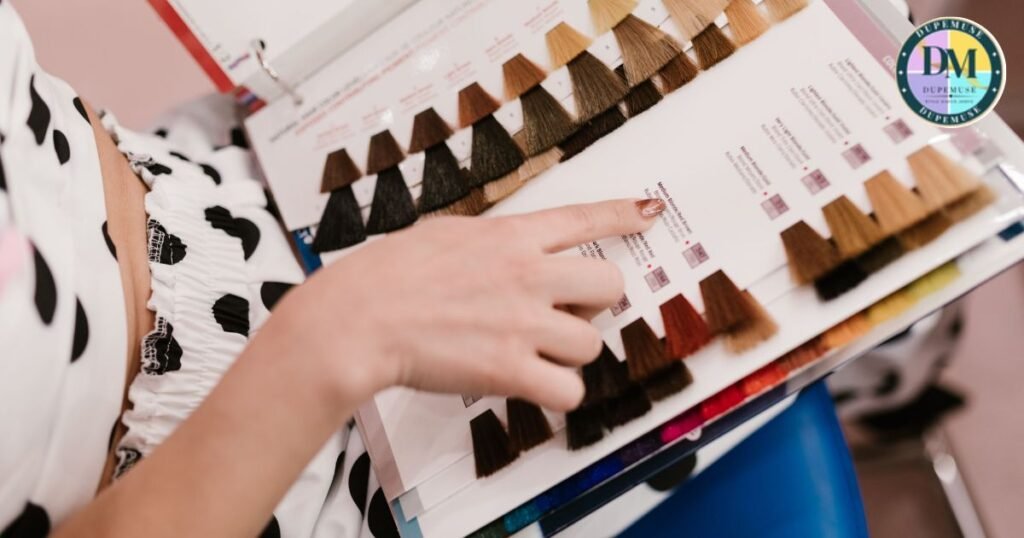
The brown hair levels occupy much of the middle of the scale. Level 3 looks deep and rich, while Level 6 approaches dark blonde. Common results include dark brown, medium brown, and light brown, with countless variations created through tone.
Warm formulas can emphasize golden tones, copper tones, or red tones. Cooler formulas may contain ash tones, blue, or green influences. The correct choice depends on the starting depth and the warmth already present in the hair.
Choosing Warm vs. Cool Brown Hair Color
Warm brown can make hair look richer and more luminous. Cool brown can reduce visible orange undertones and create a smokier finish. Neutral brown sits between those directions. Neither choice is automatically better because the right result depends on your starting color and desired finish.
For example, imagine Level 5 hair that naturally exposes orange. Applying a strongly cool formula without considering the base can create a dull result. Balanced hair color formulation accounts for both the target shade and the pigment already present.
How Hair Color Levels Change When You Lighten or Lift Hair
Hair lightening removes or reduces natural pigment so the hair becomes lighter. During pre-lightening, the hair moves through predictable stages shown in hair color level chart . Those stages are often called levels of lift. The deeper the starting level, the more underlying warmth you may encounter before reaching a pale blonde. W Wella+1
The key distinction is natural versus artificial pigment. Hair color can often lighten natural pigment within its designed range. Previously colored artificial pigment usually requires a different approach. As Garnier explains, once hair has been colored, simply applying a lighter dye doesn’t reliably make that artificial pigment lighter. G garnier
Developer, Bleach and Levels of Lift
Developer volume, hair developer, and developer strength affect how a color service behaves. Common strengths include 10 volume developer, 20 volume developer, 3% developer, and 6% developer, although exact recommendations depend on the product.
Hair bleach levels should never be treated as a universal ladder. Lightener strength, application technique, starting level, processing time, hair history, and condition all matter. A strong formula isn’t automatically a better formula. It may simply create more stress.
Case Study: Dark Brown to Blonde
Consider naturally Level 4 hair with strong warm pigment. The goal is Level 9 blonde. That transformation crosses several depth stages, so the hair may expose red-orange, orange, orange-yellow, and yellow before reaching pale yellow.
A realistic lifting hair color strategy focuses on reaching a clean target level rather than rushing toward the final shade. If the hair stops at orange-yellow, a violet-only toner cannot magically turn it into pale Level 9 blonde. The base must be light enough first.
Grey Hair, Roots & Uneven Levels: Common Colorist Challenges
Gray hair creates a different challenge because it contains little or no natural melanin. However, gray strands can appear alongside pigmented strands, creating a mixed canvas. A person’s overall depth may therefore look different from one section to another.
Roots also behave differently from previously colored lengths. Warm roots, banding, porous ends, and overlapping applications can create several levels on one head. This is why color correction often requires section-by-section assessment rather than one formula everywhere.
Does Grey Hair Have a Color Level?
Yes, gray hair still has a visual depth, but white or gray hair isn’t automatically Level 10 blonde. Its appearance depends on the amount of remaining pigment, surrounding hair, texture, and reflectivity.
For coverage, the chosen hair color shade must also provide enough pigment for the desired result. Some consumer systems recommend natural shades for gray coverage because balanced pigment can help blend gray with remaining natural hair. G garnier.
How to Choose the Right Hair Color Level & Tone

Begin with your current level. Next, decide your target level. Then identify the likely underlying pigment and choose a suitable color tone. Only after those steps should you fine-tune the result with a specific shade, reflect, or corrective pigment.
Skin undertone can help with aesthetic choices, but it shouldn’t replace technical analysis. Hair history matters more when you’re making a major change. Previous permanent color, bleach, highlights, henna, and damaged areas can all alter the expected result.
A Simple Hair Color Decision Guide
| Your goal | First question | Main consideration |
| Go darker | What is my current level? | Deposit and tonal balance |
| Stay similar | What tone do I want? | Tone and reflect |
| Go lighter | Is my hair natural or colored? | Lifting ability |
| Remove orange | What level is exposed? | Blue-based neutralization |
| Remove yellow | What level is exposed? | Violet-based neutralization |
| Cover gray | How much gray is present? | Coverage and natural base |
| Fix uneven color | Where are the different levels? | Section-by-section correction |
A hair color corrector can help in specific situations, but correction isn’t simply “add more ash.” Over-neutralizing can make hair look flat or muddy. Professional colorimetry considers depth, pigment, tone, porosity, and the desired endpoint together.
FAQs About Hair Color Levels
Understanding the scale answers many common color questions. The most important idea remains simple: level describes depth, while tone describes the visible color character. Professional systems use these concepts to make shade selection and formulation more predictable. W Wella+1
Still, shade names aren’t perfectly standardized. Always read the manufacturer’s chart before interpreting hair color numbers. This becomes especially important when moving between salon lines or comparing a box dye with professional color.
What color hair makes you look younger? Soft, natural-looking shades close to your skin tone often create a youthful effect. Warm beige, honey, caramel, and soft brown can add flattering brightness.
How do I determine my hair color level?
Compare your natural, dry hair with a professional hair level chart in natural daylight. Match its depth from Level 1 (black) to Level 10 (lightest blonde).
Which is darker, 4 or 5?
Level 4 is darker than Level 5. In the standard system, 4 is medium brown while 5 is light brown.
Is it better to go lighter or darker to cover gray hair? Either can work, but staying near your natural level usually creates softer, more natural-looking coverage. Your gray percentage also affects the formula.
What hair is darker, 2 or 4? Level 2 is darker than Level 4. Level 2 is very dark brown while Level 4 is medium brown.
Hair Color Theory: Why Neutralization Works
The basic rule behind hair color neutralization is remarkably simple. Colors opposite each other on the wheel can counter one another. Violet works against yellow, blue works against orange, and green can counter red. The trick lies in choosing the strength and direction that match the actual exposed pigment. W Wella+1
This is why color neutralization shouldn’t rely on guesswork. A Level 9 yellow base needs a different corrective approach than a Level 7 orange-yellow base. The correct neutralizing tones depend on both depth and pigment.
Corrective Bases and Common Neutralizers
A violet base generally targets yellow. A blue base can target orange. A green base can help counter red. A red-violet base may provide a useful direction when multiple warm influences need balancing.
However, more corrective pigment isn’t always better. Excessive correction can produce dullness or an unexpected cast. Professional education specifically warns that overcorrection can create muddy results because warmth contributes visual brightness. B BCcampus Open Publishing
Hair Color Numbering and Brand Differences
The dream of one completely standardized 10 level hair color system sounds convenient, but real-world color lines don’t operate with perfect uniformity. The depth scale is widely shared, while tone and reflect codes vary between brands.
For example, Wella’s professional material distinguishes depth from tone, while Garnier explains its consumer system using level, tone, and reflect. This means you shouldn’t assume a .7 or letter code means precisely the same thing everywhere. W Wella+1
Why a Brand Color Chart Matters
A professional colorist normally works from the exact shade chart belonging to the product line being used. This prevents mistakes caused by translating numbers between brands.
That rule matters with Schwarzkopf, Wella, Garnier, and other salon hair color systems. A shade that appears similar on paper may contain different pigments. When accuracy matters, use the manufacturer’s technical guide rather than an unofficial conversion table.
Common Hair Color Mistakes to Avoid
One common mistake is choosing a shade from its name alone. “Ash blonde” sounds simple, yet the result depends on the starting level and the warmth underneath. Another mistake is assuming that box photographs predict every possible starting canvas.
A third mistake involves treating orange hair, yellow hair, and brassiness as identical problems. Orange usually needs a different neutralizing direction than yellow. Likewise, porous ends may grab cool pigments much faster than healthy roots. Also read this hair colour level chart and tone guide to avoid common mistakes.
A Better Way to Think About Color
Think of hair color as a three-part equation: starting level, target level, and tonal direction. Then add hair history and condition. This approach is more reliable than choosing a shade because the model on the package has a similar complexion.
For major changes, a strand test can reveal surprises before the whole head receives color. That small test can expose uneven porosity, unexpected warmth, excessive absorption, or insufficient lift.
Final Takeaway: Master the Level Before Choosing the Shade
The hair color level chart 1-10 system gives you the foundation for understanding color depth. Level 1 sits at the darkest end, while Level 10 sits at the lightest. Tone then determines whether that depth looks warm, cool, or neutral.
Once you understand underlying pigment, lifting, neutralization, and numbering, color charts become much easier to read. Most importantly, you can stop treating hair color as a guessing game. Start with level, identify the pigment, choose the tone, and then select the shade that fits your goal.
Quick Reference
| Concept | What it tells you |
| Color level | How light or dark hair is |
| Color tone | Warm, cool, or neutral character |
| Tone family | Main tonal direction |
| Reflect family | Secondary tonal nuance |
| Underlying pigment | Warm pigment revealed during lifting |
| Neutralization | Using complementary color to reduce unwanted warmth |
| Hair toner | A product used to adjust tone on suitable hair |
| Developer | Oxidizing product used with certain color services |
| Pre-lightening | Lightening hair before depositing the desired tone |
| Color correction | Adjusting an existing unwanted or uneven result |
For further technical reading, see Garnier’s Hair Color Numbering System guide, Wella Professionals’ numbering-system guide, and the Hair Colour for Hairstylists toning chapter. These references are especially useful when comparing consumer and professional color systems.
:::
Ganier Wella BCcampus Sources
Need more guide? Contact us
Meta description
Explore the complete hair color level chart and tone guide to understand levels 1–10, undertones, shades, and neutralization.